Sony A1 for Wildlife Photography
The best camera I've ever owned. The Sony A1's bird eye detection autofocus is in a class of its own for wildlife photography, and the 50MP sensor gives you the resolution to crop heavily and still produce stunning prints. Five years on, it still does everything I need.
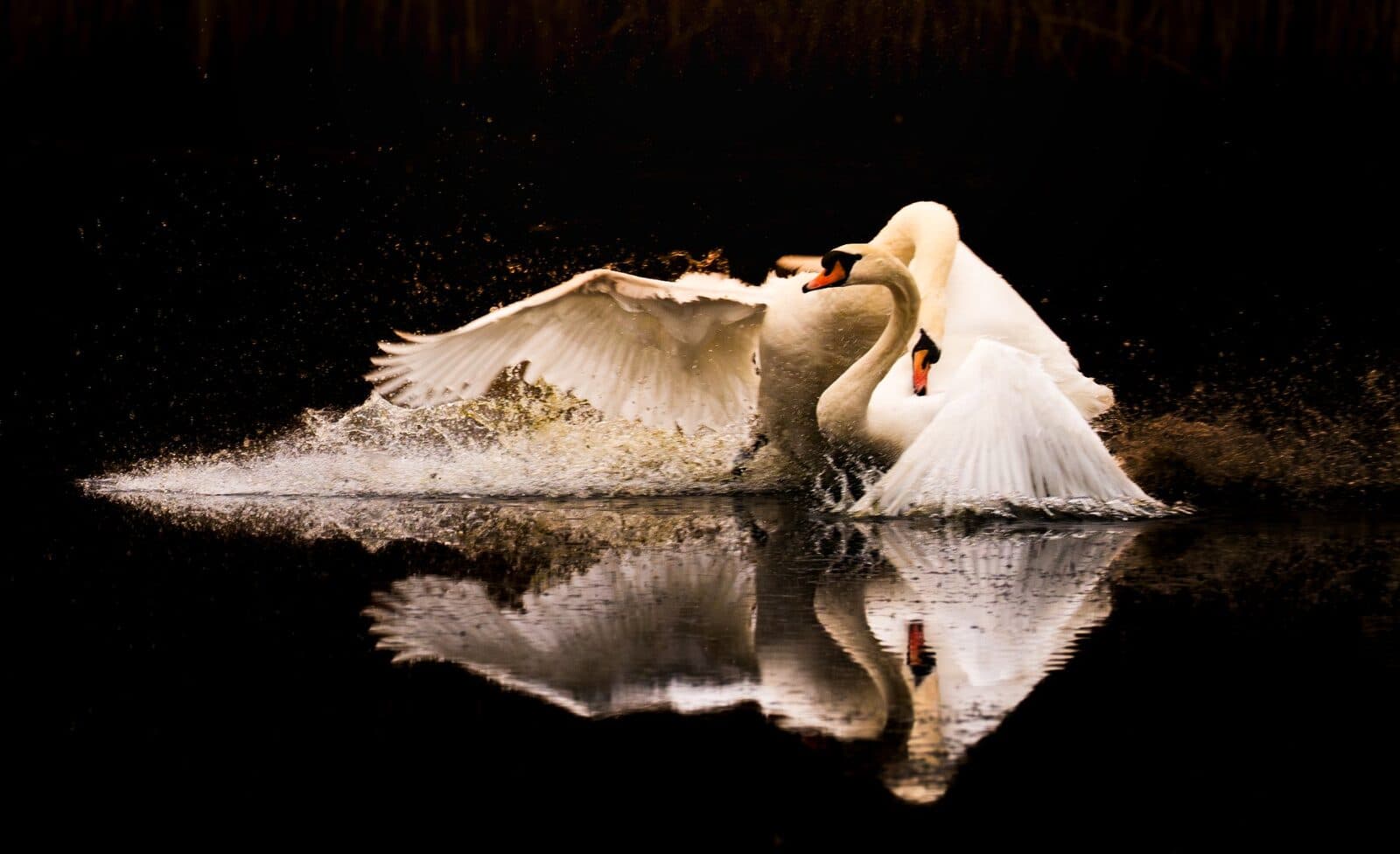
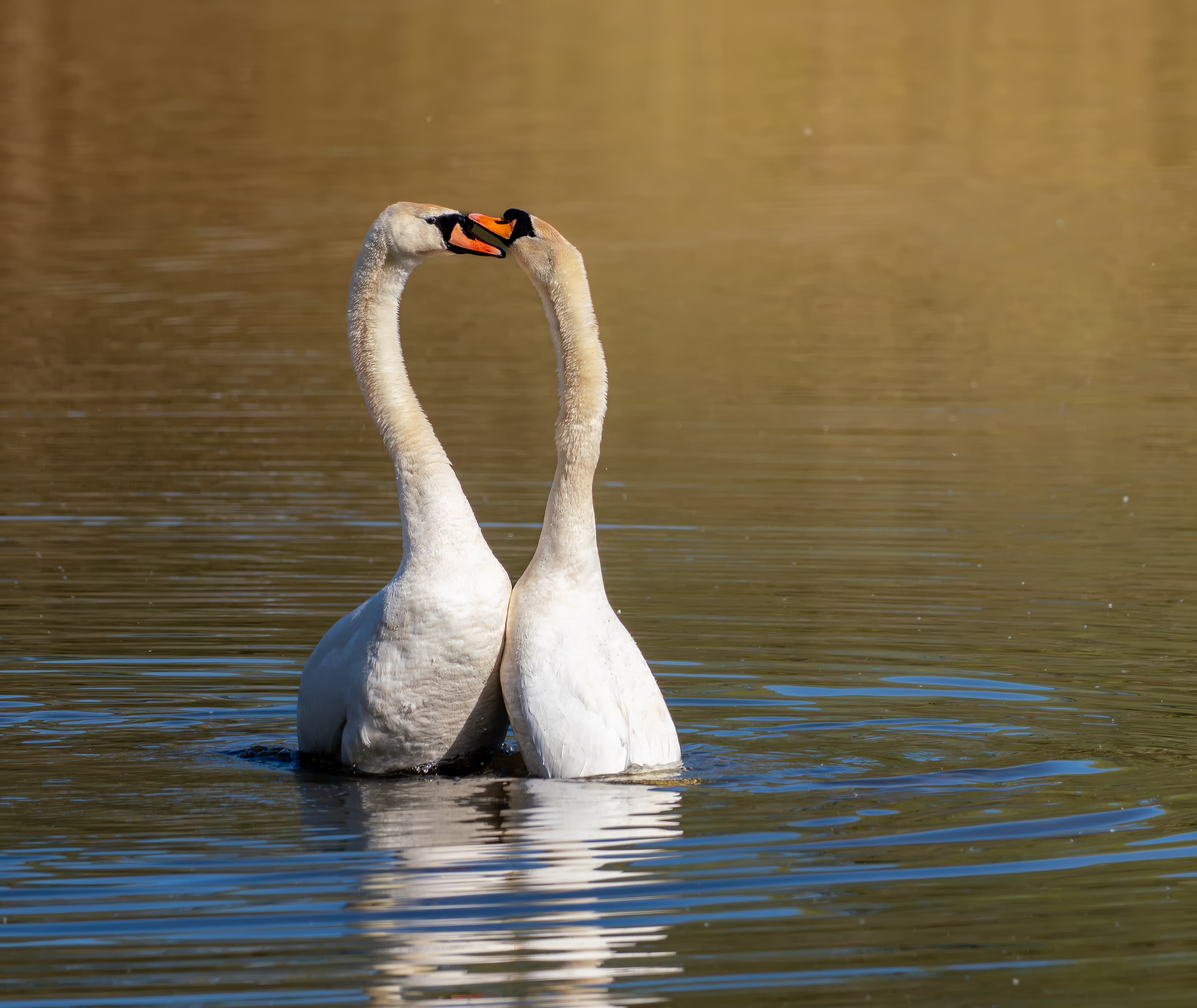
Mute swans fighting — the A1's bird eye detection locked on through the spray and wing beats
The Sony A1 is the best camera I've ever owned, and after years of shooting wildlife with it across nature reserves in Lancashire and Greater Manchester, I still have no desire to replace it. The combination of 50MP resolution, 30fps burst shooting, and bird eye detection autofocus that actually works makes it the most capable wildlife photography tool I've used. It's not cheap, and it's not perfect, but for what I do it's as close to perfect as anything on the market.
Why I Chose the A1
I upgraded to the A1 from an earlier Sony Alpha body. The jump was significant — not just in resolution and frame rate, but in the reliability of the autofocus system. With my previous camera, I'd come home from a session at Pennington Flash or Leighton Moss and find that a frustrating percentage of my bird-in-flight shots had missed focus. The A1 changed that overnight. The hit rate went up dramatically, and that alone justified the investment.
The 50MP sensor was the other major draw. At nature reserves in the UK, you can't always get as close to your subject as you'd like. Having 50 megapixels to work with means I can crop aggressively in post and still retain enough detail for large prints or detailed web images. Paired with the Sigma 500mm f/5.6, I can effectively create a 750mm-equivalent image using the APS-C crop mode and still have over 21 megapixels to work with.
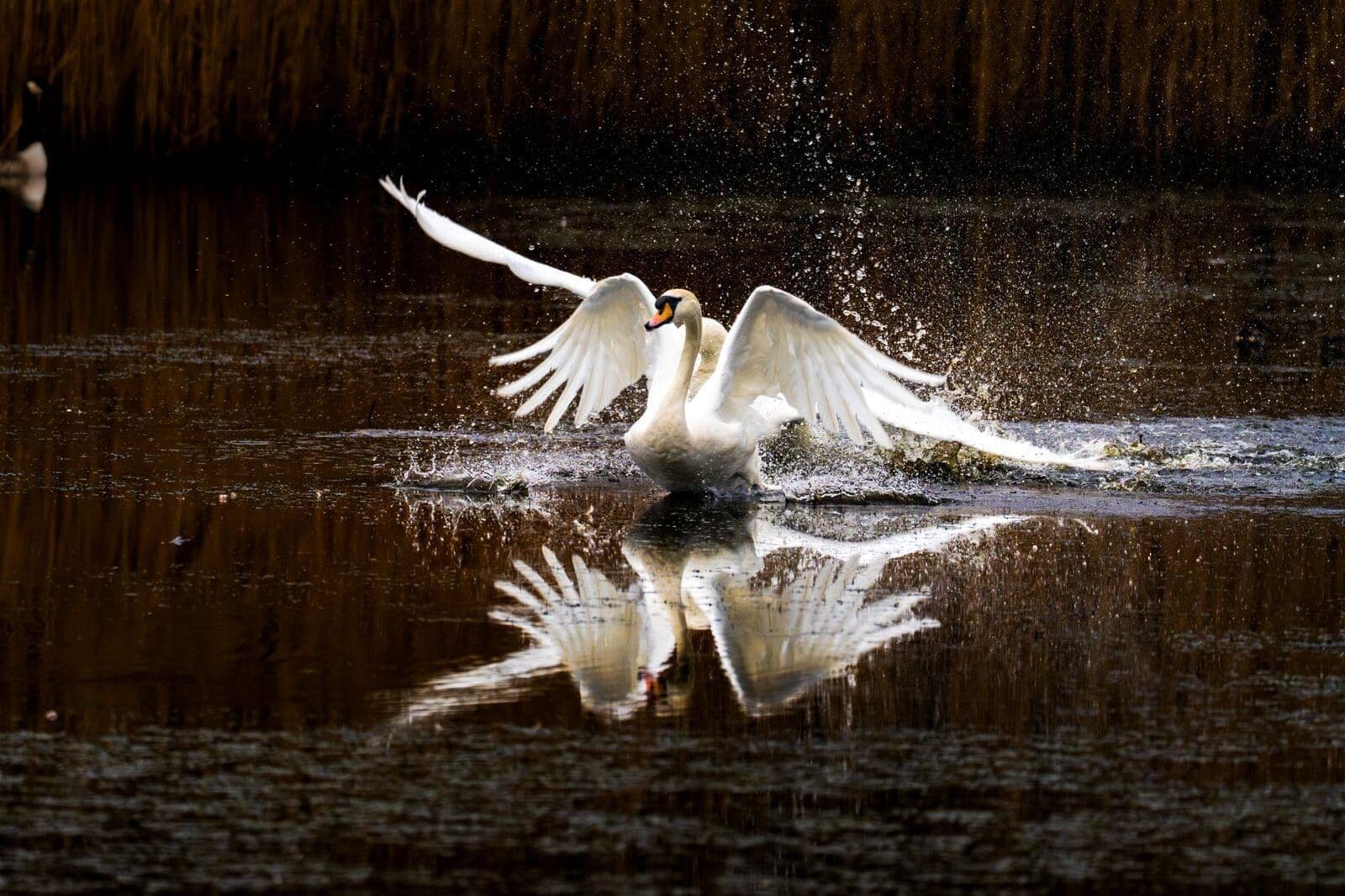
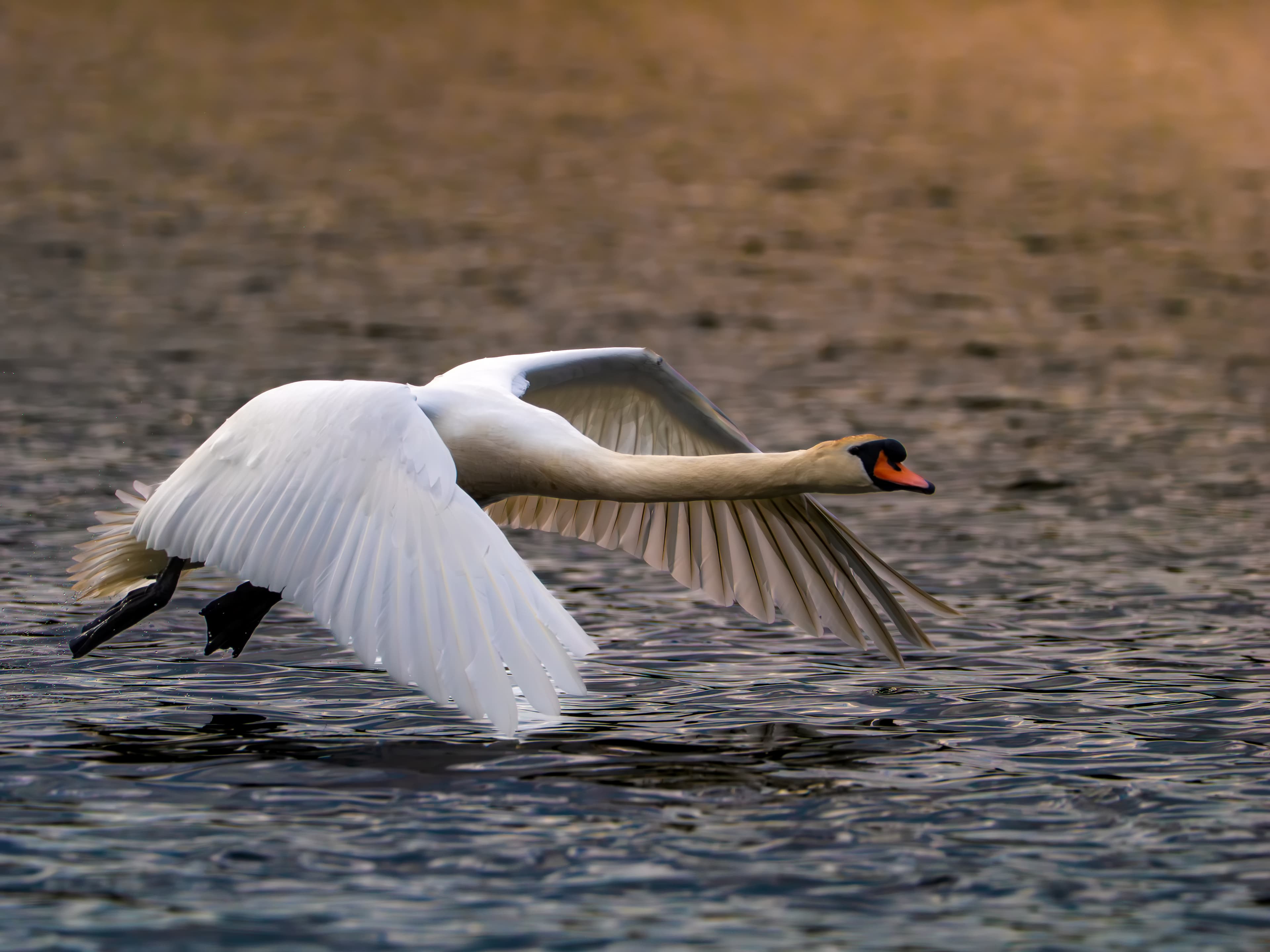
Swan landing with reflection — real-time tracking maintained focus throughout the approach
Autofocus — The Star of the Show
This is where the A1 earns its price tag. The bird eye detection is remarkably reliable. Point the camera at a bird — perched, in flight, partially obscured by reeds — and the A1 finds the eye and locks on. It's not infallible, and it doesn't use the AI-based subject recognition found in the newer A1 II or A9 III, but the real-time tracking system is more than capable for the vast majority of wildlife situations I encounter.
At Pennington Flash, I regularly photograph swans, kingfishers, and waders in challenging conditions — backlit subjects against dark water, birds erupting from reed beds, fast-moving subjects against busy backgrounds. The A1 handles all of this with a confidence that lets me concentrate on composition rather than worrying about whether the camera has found focus. The 759 phase-detection AF points cover roughly 92% of the frame, so even subjects at the edges are tracked reliably.
The real test of any autofocus system is birds in flight, and this is where the A1 excels. Mute swans taking off from the flash, with wings beating and water spraying everywhere, are tracked smoothly from the moment they lift off. I've captured sequences of swan confrontations — wings spread, water flying — where every frame in a 30fps burst is tack sharp on the eye. That consistency is what separates the A1 from cameras I've used before.
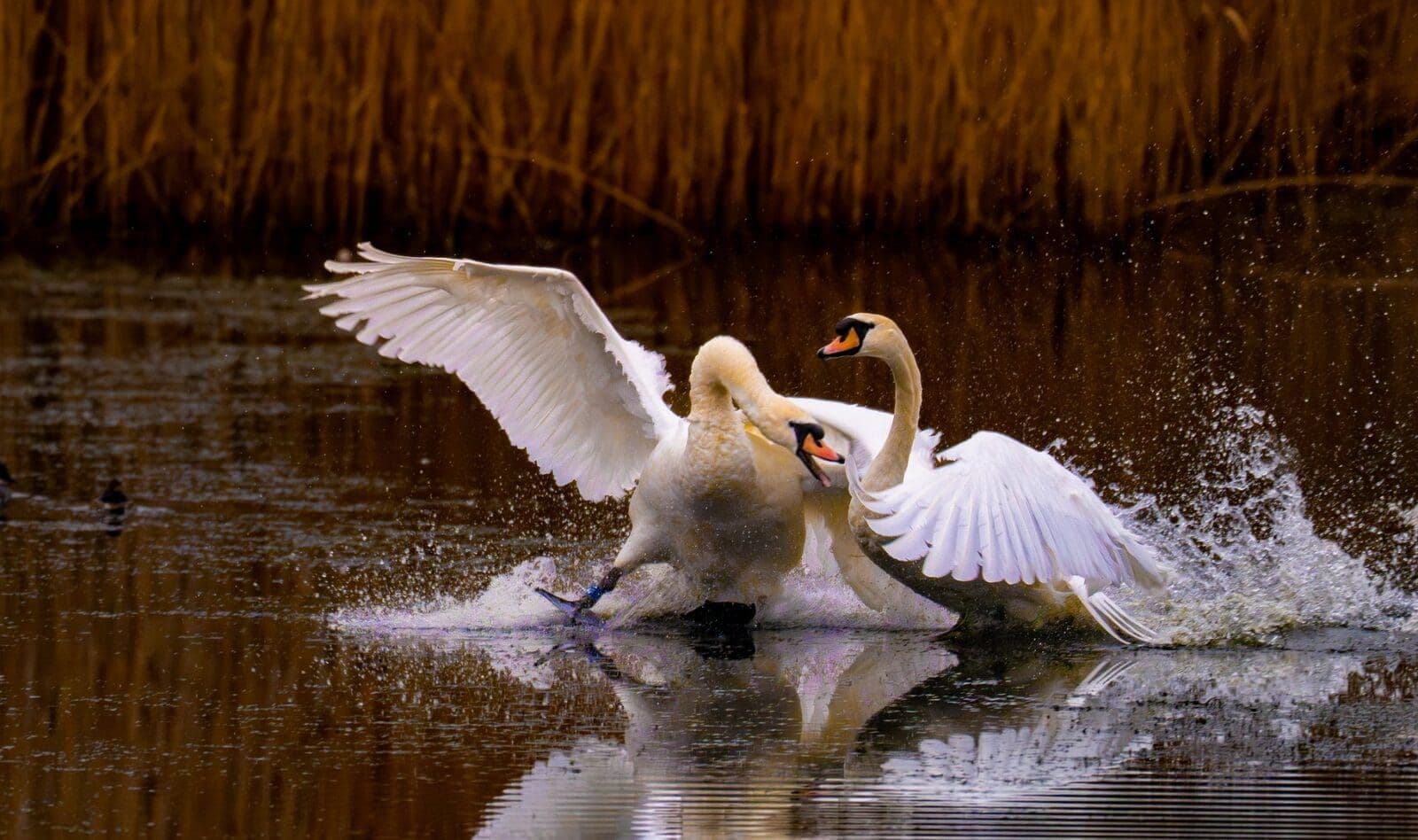
Two swans in a territorial confrontation — 30fps burst captured the peak of the action
30fps Burst Shooting
Thirty frames per second with full autofocus and auto-exposure tracking is extraordinary. For wildlife photography, it means you can capture the exact moment a bird's wings reach peak extension, the split second a kingfisher breaks the water surface, or the precise instant two swans lock necks in a territorial dispute.
In practice, I don't always shoot at 30fps — the file sizes add up quickly and culling thousands of images is time-consuming. For perched birds and slower-moving subjects, I'll often drop to 10 or 15fps. But when the action kicks off, having 30fps available is like having an insurance policy. You know that somewhere in that burst, you've got the shot.
There is one significant caveat here. The 30fps capability only works with Sony's own lenses. Mount a third-party lens — and I use the Sigma 500mm f/5.6 as my primary wildlife lens — and Sony caps the burst rate at 15fps with continuous autofocus. This is a Sony licensing restriction, not a limitation of the camera or the lens. Fifteen frames per second is still fast, and for most of my shooting it's sufficient, but it's frustrating to know the camera is being artificially held back. I've written about this in detail in my Sigma 500mm f/5.6 review.
Image Quality & 50MP Resolution
The 50.1MP stacked CMOS sensor produces files with outstanding detail, excellent dynamic range, and clean high-ISO performance up to about ISO 6400. Beyond that, noise becomes noticeable but is manageable with modern noise reduction in post. For the early morning sessions I typically shoot at UK nature reserves, ISO 1600-3200 is common and the results are excellent.
The resolution is a genuine advantage for wildlife photography. At 50 megapixels, you have significant latitude to crop in post-production. A 50% crop still gives you a 25MP image — more than enough for any online use and large prints. This effectively extends the reach of whatever lens you're using. With my Sony 200-600mm at 600mm, a moderate crop on the A1 gives me results that would require a much longer (and much more expensive) lens on a lower-resolution body.
Colour rendition is natural and accurate, with particularly good handling of greens and earth tones — useful when your subjects are surrounded by reeds, grass, and woodland. The dynamic range allows recovery of shadow detail in challenging lighting conditions, which is common at reserves where subjects are often backlit against bright water or sky.
Build Quality & Handling
The A1 is built to professional standards — weather-sealed, solid magnesium alloy construction, and dual card slots (CFexpress Type A / SD). It feels reassuringly robust in hand without being overly heavy at 737g. I've used it in rain, frost, and the damp conditions that are standard for a winter morning at a Lancashire nature reserve, and it's never let me down.
The electronic viewfinder is superb — 9.44 million dots with a 240fps refresh rate that makes tracking fast-moving birds feel natural and fluid. There's no blackout between frames when shooting at 30fps, which is critical for keeping your subject in the frame during burst sequences.
Battery life is adequate but not exceptional. For a full day at Pennington Flash or Leighton Moss, I carry two spare batteries. Heavy burst shooting drains the battery faster, so if you're shooting action all morning you'll likely need to swap batteries at some point.
Do You Need the A1 II?
Sony released the A1 II in late 2024 with AI-based autofocus, improved ergonomics, and a dedicated AI processing unit. It's undeniably a better camera on paper. But having used the original A1 extensively, I can say with confidence that it still does everything I need for wildlife photography in 2026. The bird eye detection on the original is already excellent. The 50MP sensor hasn't been surpassed. The 30fps burst rate is unchanged.
The A1 II's AI autofocus would likely improve hit rates in edge cases — heavily obscured subjects, unusual angles, species the original struggles with — but for the UK wildlife I photograph regularly (birds, deer, otters), the original A1's tracking is already highly reliable. The price difference between the two would be better spent on a good lens, and the original A1 can now be found at significantly reduced prices on the used market, making it arguably the best value flagship camera available.
The Bottom Line
The Sony A1 is a camera that does almost everything exceptionally well for wildlife photography. The autofocus system — particularly bird eye detection — is the best I've used. The 50MP resolution gives you cropping freedom that lower-resolution bodies simply can't match. The 30fps burst rate captures moments that would be missed at slower speeds. And the build quality inspires total confidence in any conditions.
The only real frustration is the 15fps cap imposed on third-party lenses, which is a Sony ecosystem issue rather than a camera flaw. If you use exclusively Sony glass, this isn't a concern at all.
Five years after its release, the A1 remains a genuinely outstanding wildlife camera. It's the foundation of everything I shoot, and I have no plans to replace it.
Tested at Pennington Flash, Leighton Moss, Martin Mere, and Dunham Massey.
Pros & Cons
What I Like
What Frustrates Me
Locations Where I Use This
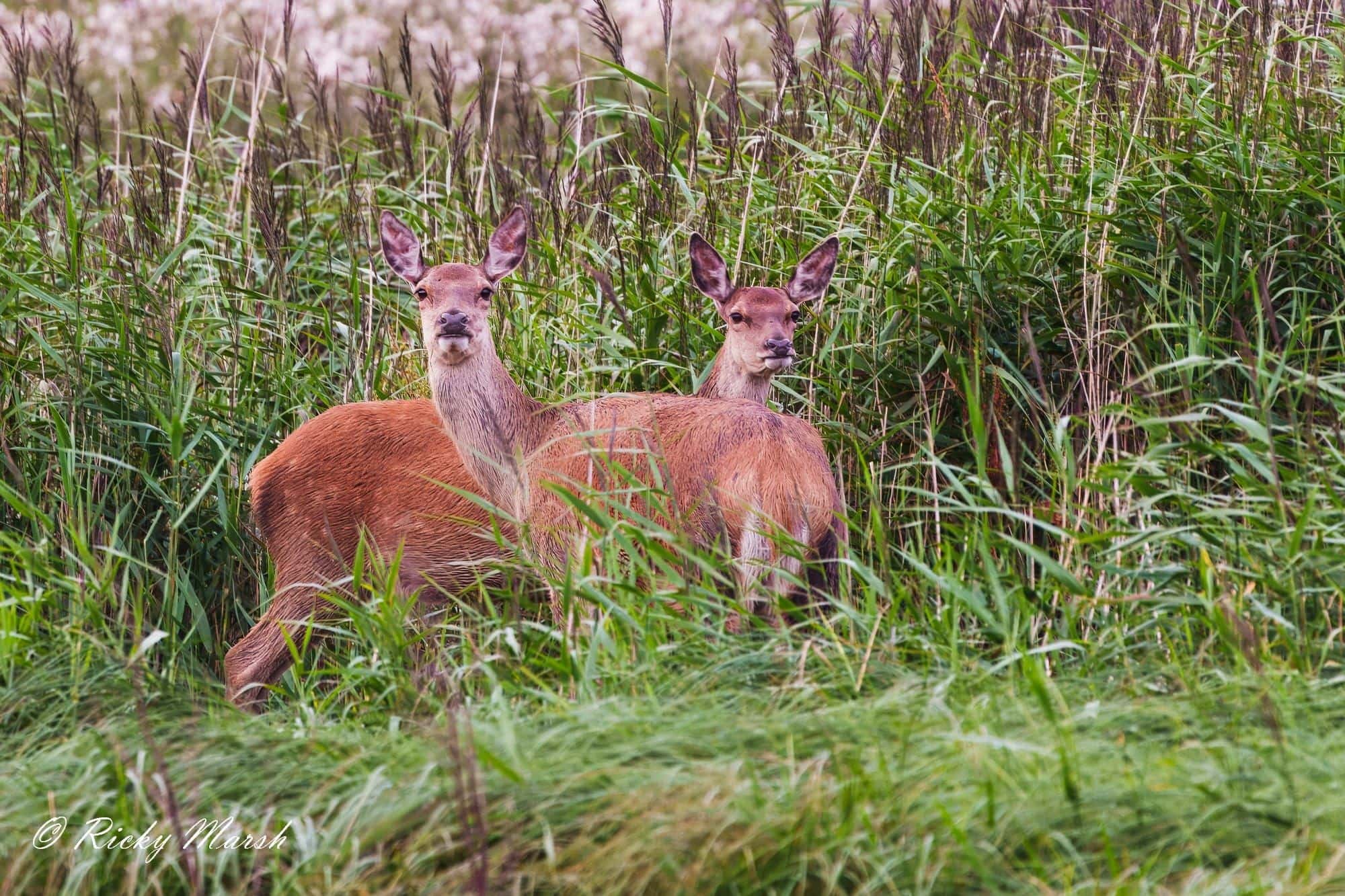
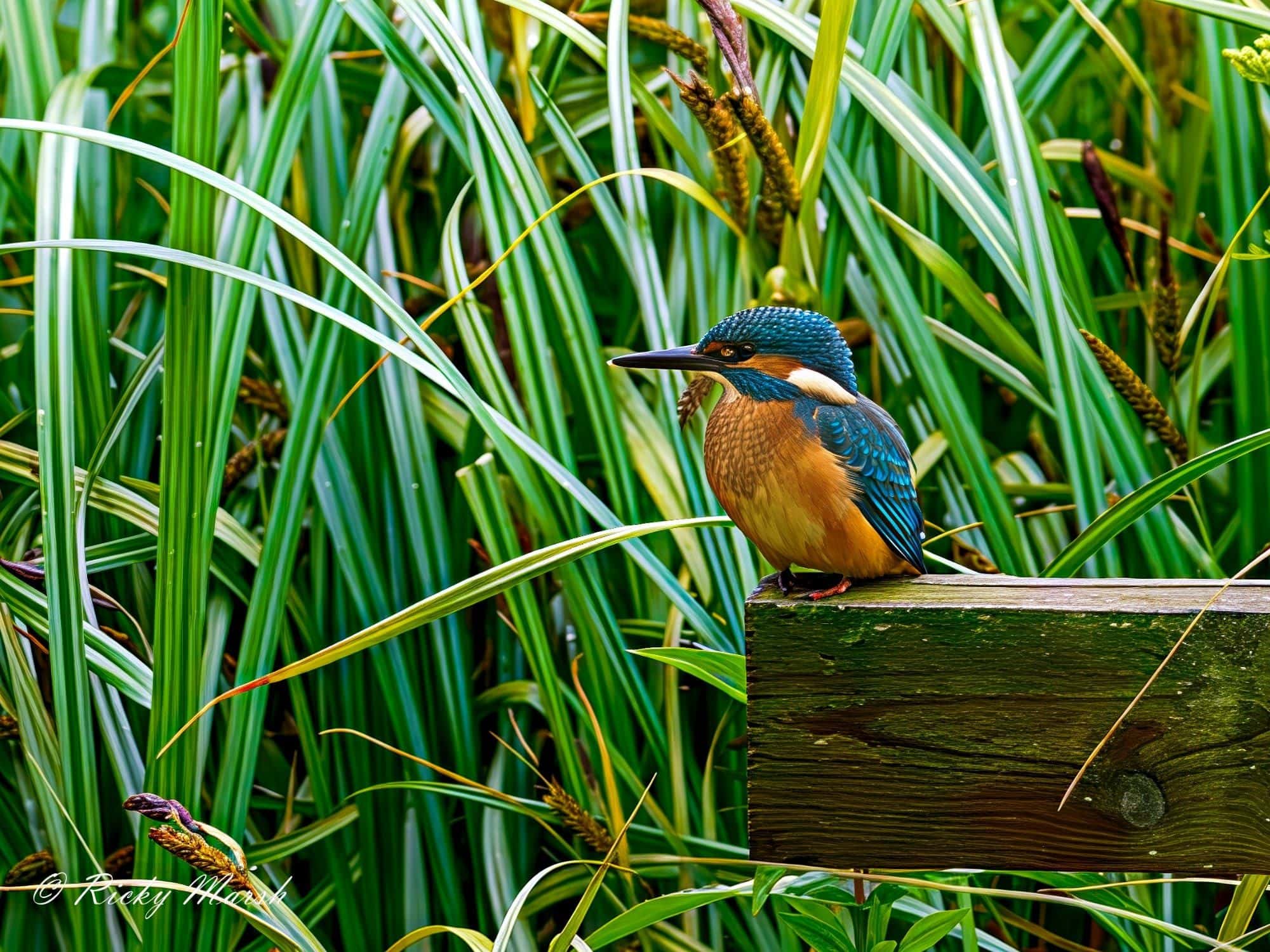
RSPB Leighton Moss
The largest reed bed in North West England, Leighton Moss is a haven for bitterns, marsh harriers, and otters. The reserve offers excellent hides with wheelchair access and stunning views across the reed beds.
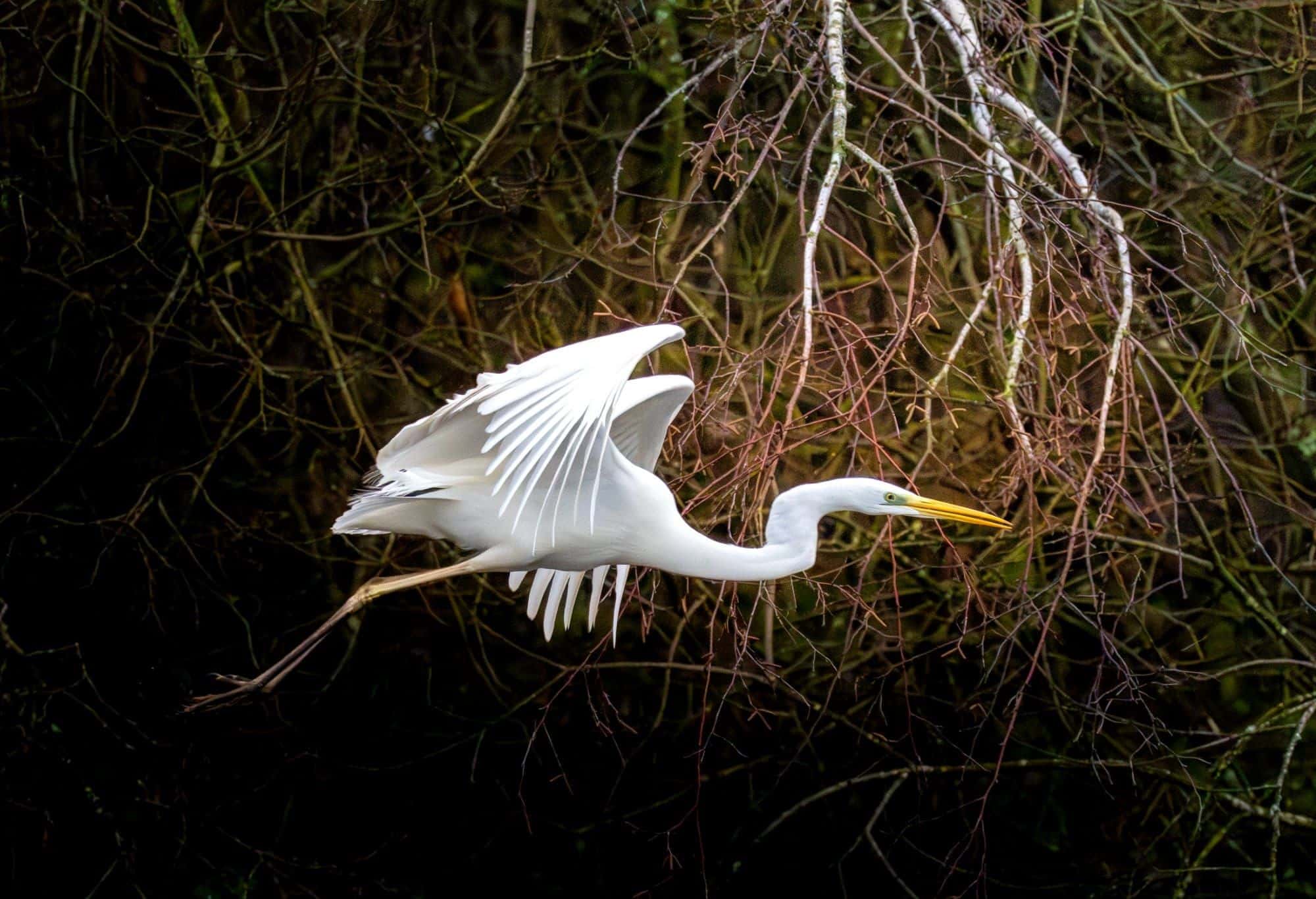
WWT Martin Mere
A wetland paradise that hosts thousands of wintering wildfowl including whooper swans, pink-footed geese, and various duck species. Excellent facilities and hides make this accessible to all.
Pennington Flash Country Park
A former mining subsidence that has transformed into one of the North West's premier birdwatching sites. The flash and surrounding habitats attract a wide variety of wildfowl, waders, and woodland birds throughout the year.
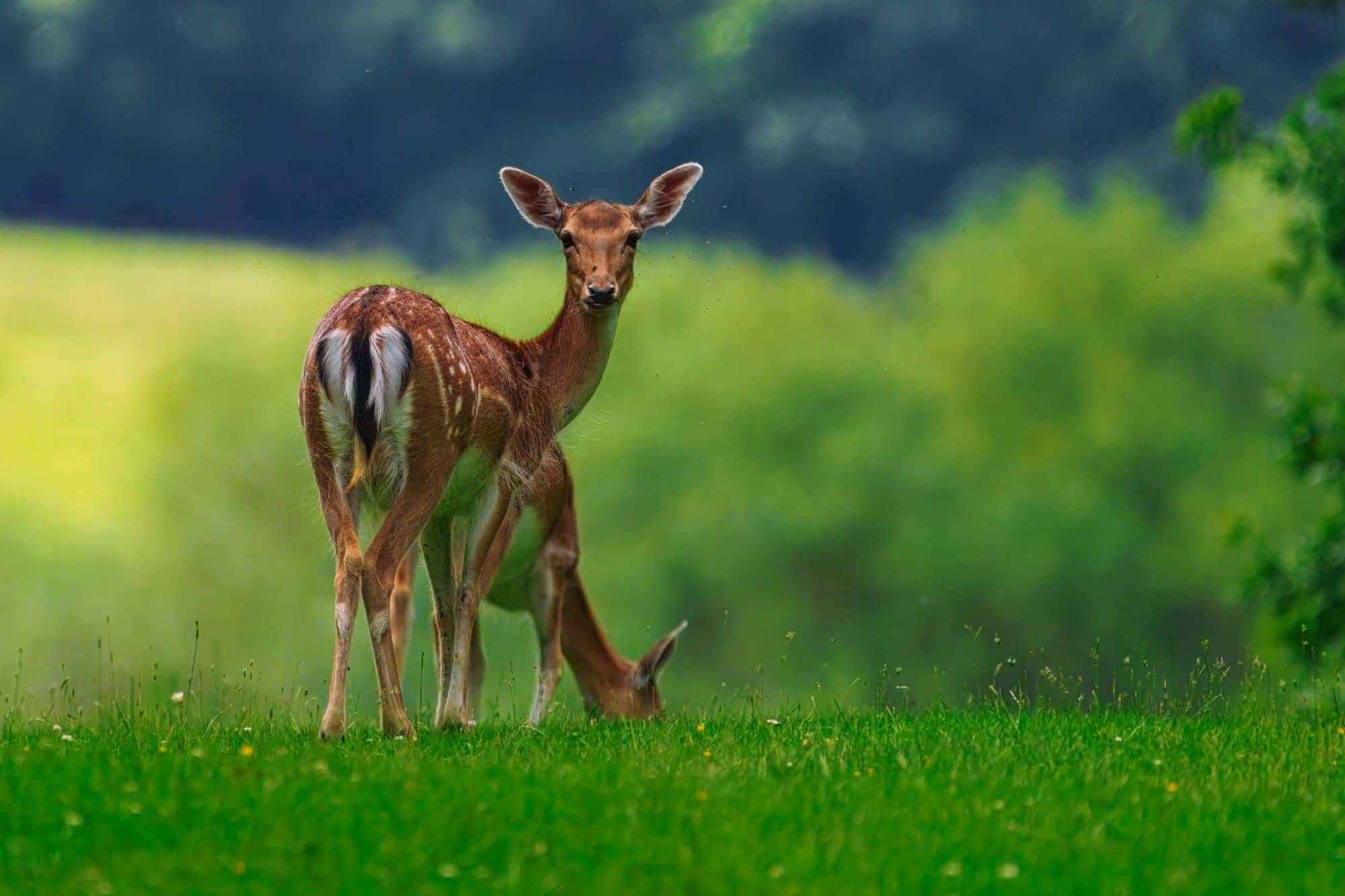
Dunham Massey
A National Trust estate with ancient parkland home to a large herd of fallow deer. The deer park, gardens, and surrounding woodland provide excellent opportunities for wildlife photography in a stunning historic setting.
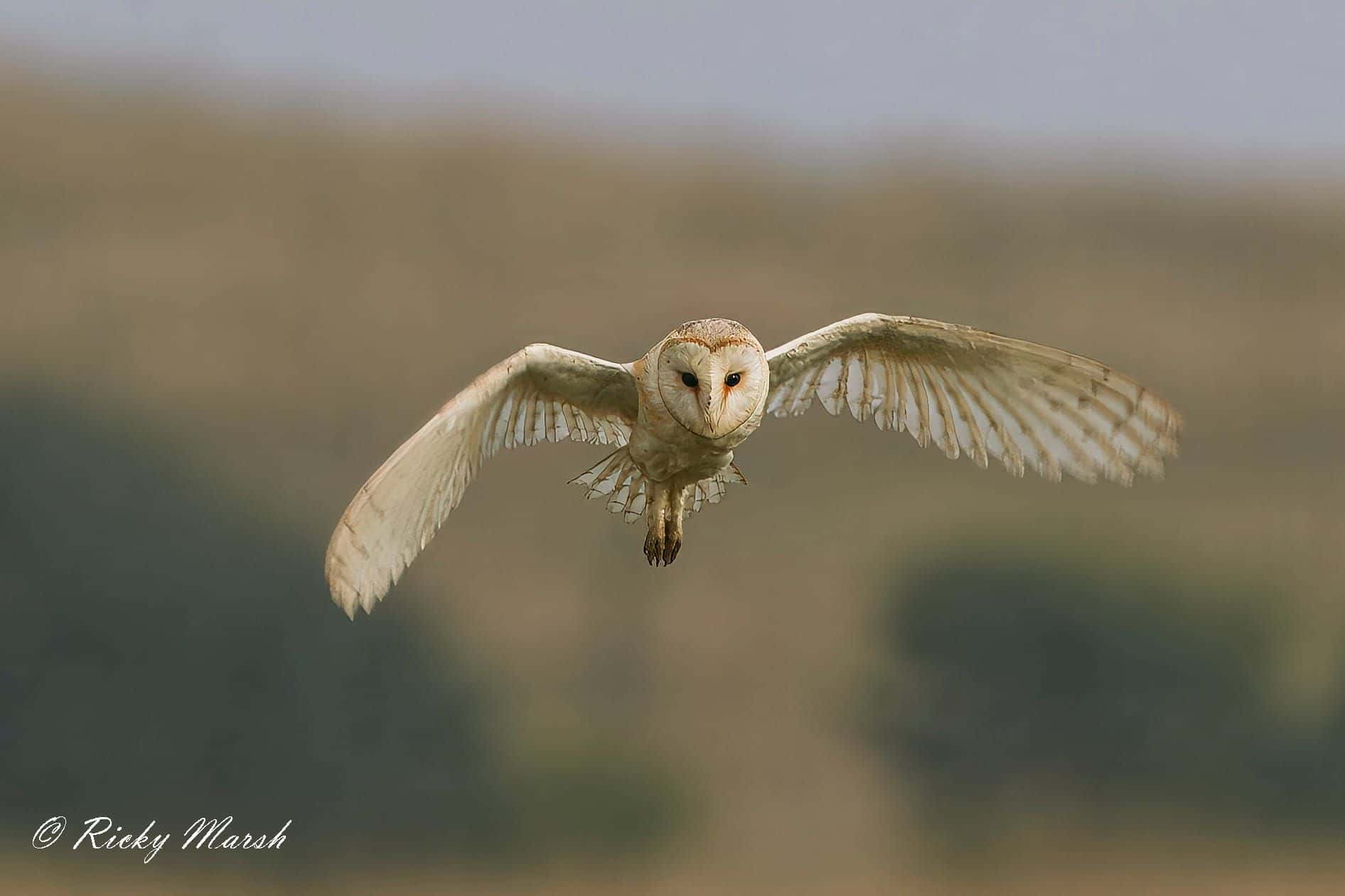
RSPB Bempton Cliffs
Home to the largest mainland gannetry in the UK and one of England's most accessible puffin colonies, RSPB Bempton Cliffs offers spectacular seabird photography from fenced clifftop viewpoints. Barn owls hunt the rough fields around the visitor centre at dawn — a quiet bonus for early arrivers.
Specifications
Sample Images
More Wildlife Photography Equipment Reviews
Comparing options? Read my other field reviews: Sony A7R V wildlife review, Sony A6700 wildlife review, OM System OM-1 Mark II wildlife review, Sony FE 200-600mm f/5.6-6.3 G OSS wildlife review, Sigma 500mm f/5.6 DG DN OS Sports wildlife review, OM System M.Zuiko 300mm f/4 IS Pro wildlife review and OM System M.Zuiko 50-200mm f/2.8 IS Pro wildlife review.
Sony A7R V
An outstanding portrait, landscape and detail camera that also handles wildlife when speed isn't the priority. The 61MP sensor gives extraordinary cropping reach with the 200-600mm, but the non-stacked sensor and rolling shutter make this a complement to an A1 rather than a replacement.
Sony A6700
The Sony A6700 is a compact APS-C body with the same AI autofocus chip as the A7R V, a 1.5× crop factor that turns the 200-600mm into a 300-900mm equivalent, and exceptional video AF. It is the camera I should have started with — light enough to carry anywhere, capable enough for everything except flagship-class action and harsh-weather work.
OM System OM-1 Mark II
After twelve months of ownership — and several years of OM and Olympus bodies before it — the OM-1 Mark II is the camera I'd keep if I could only keep one camera system. Lighter than my Sony kit, completely weather sealed, and with autofocus on par with the A1, it covers wildlife stills, wildlife video, landscape and street photography in one body.
Sony FE 200-600mm f/5.6-6.3 G OSS
Outstanding super-telephoto zoom with internal zoom design and excellent sharpness throughout the range. After eighteen months of wildlife shooting on Sony bodies, this is still the lens I'd recommend to anyone — beginner, enthusiast or working pro — buying their first serious wildlife setup.
Sigma 500mm f/5.6 DG DN OS Sports
A 500mm prime that has largely replaced my Sony 200-600mm thanks to its remarkable portability, but the 3.2m minimum focus distance, lack of teleconverter support on Sony, and 15fps burst cap hold it back from perfection.
OM System M.Zuiko 300mm f/4 IS Pro
600mm-equivalent f/4 reach in a sub-1.3kg package. AF that locks on through branches where Sony and Sigma rivals struggle, 1.4m close focus that handles dragonflies and reed buntings on the same trip, and Sync IS for handheld work in any weather.
OM System M.Zuiko 50-200mm f/2.8 IS Pro
A constant-f/2.8, 100-400mm-equivalent wildlife zoom that combines fast bird-in-flight autofocus, internal zoom handling and 0.78m close focus in a 1,075g lens. Expensive, but unusually capable as a single handheld lens for birds, larger wildlife and low-light work.