Wildlife Photography Locations in North West England
Detailed location guides for the nature reserves, country parks, and wild places where wildlife photography in Lancashire and Greater Manchester actually happens. Each guide is built from real visits — written after spending mornings in the hides, walking the paths, and photographing the species the reserve is known for.
Every entry covers the practical detail that's often missing from the official reserve websites: which hides catch the morning light, where the wheelchair-accessible paths actually go, what parking costs, which species turn up reliably and which only appear at the right season. Accessibility information is given the same weight as photography tips, because a great photography location is no use to you if you can't get to the hide.
Coverage is currently focused on North West England — four reserves across Lancashire and Greater Manchester are documented in full below — and is expanding as new locations are visited and photographed. If there's somewhere you'd like to see covered, the contact form is open.
Find the Right Reserve for You
Different reserves suit different visits. Here's a quick starting point depending on what matters most — accessibility, the species you want to photograph, the cost of entry, or the kind of habitat you prefer.
RSPB Leighton Moss
Fully wheelchair-accessible reed bed reserve in north Lancashire with ramped hides, level boardwalks, and electric mobility scooters available to borrow. Bitterns, marsh harriers, otters, and bearded tits all photographable from accessible hides.
View Leighton Moss guideWWT Martin Mere
Family-friendly wetland centre near Burscough with timed feeding sessions, dependable kingfisher activity, and a spectacular winter spectacle of pink-footed geese and whooper swans arriving from Iceland.
View Martin Mere guidePennington Flash
Free-entry country park on the edge of Leigh, Greater Manchester, with a string of bird hides around an old colliery flash. Strong year-round wildfowl, reliable kingfishers, and easy access from the M6 — ideal for an early morning before work.
View Pennington Flash guideDunham Massey
300 acres of ancient parkland near Altrincham with a free-roaming fallow deer herd, woodpeckers, nuthatches, and herons. National Trust property with strong autumn rut photography opportunities from late September to early November.
View Dunham Massey guideShowing 5 of 5 locations
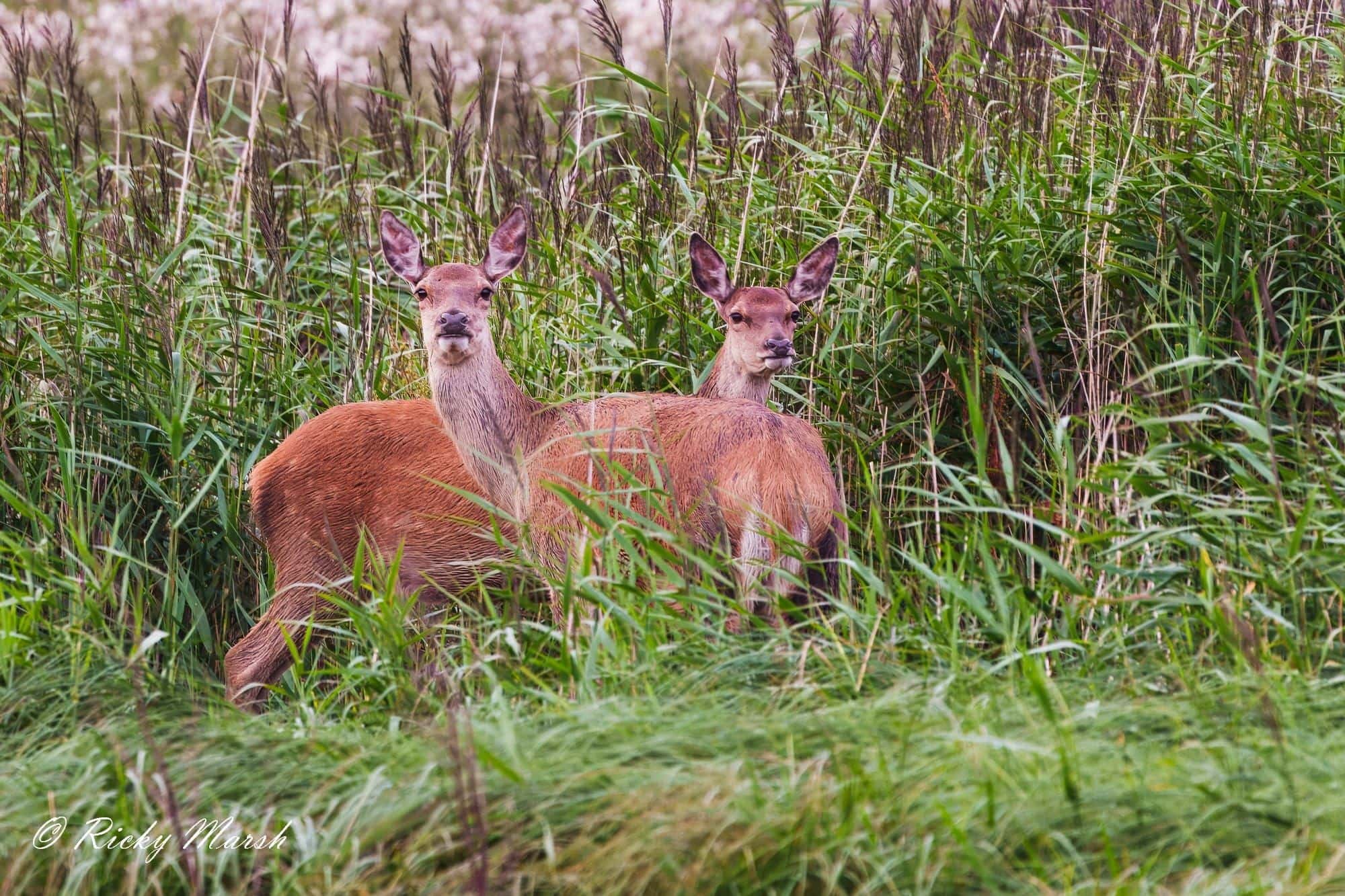
RSPB Leighton Moss
The largest reed bed in North West England, Leighton Moss is a haven for bitterns, marsh harriers, and otters. The reserve offers excellent hides with wheelchair access and stunning views across the reed beds.
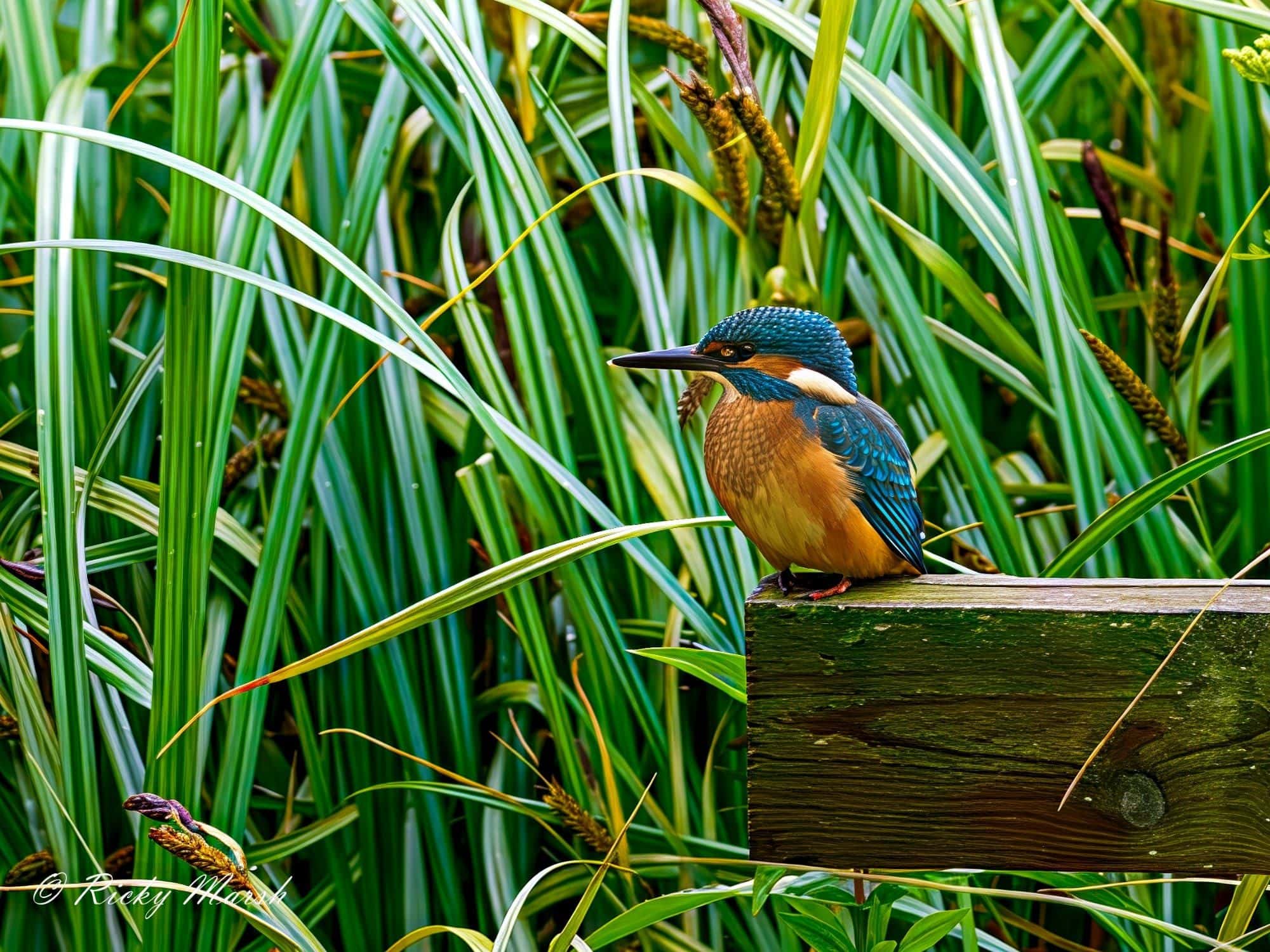
WWT Martin Mere
A wetland paradise that hosts thousands of wintering wildfowl including whooper swans, pink-footed geese, and various duck species. Excellent facilities and hides make this accessible to all.
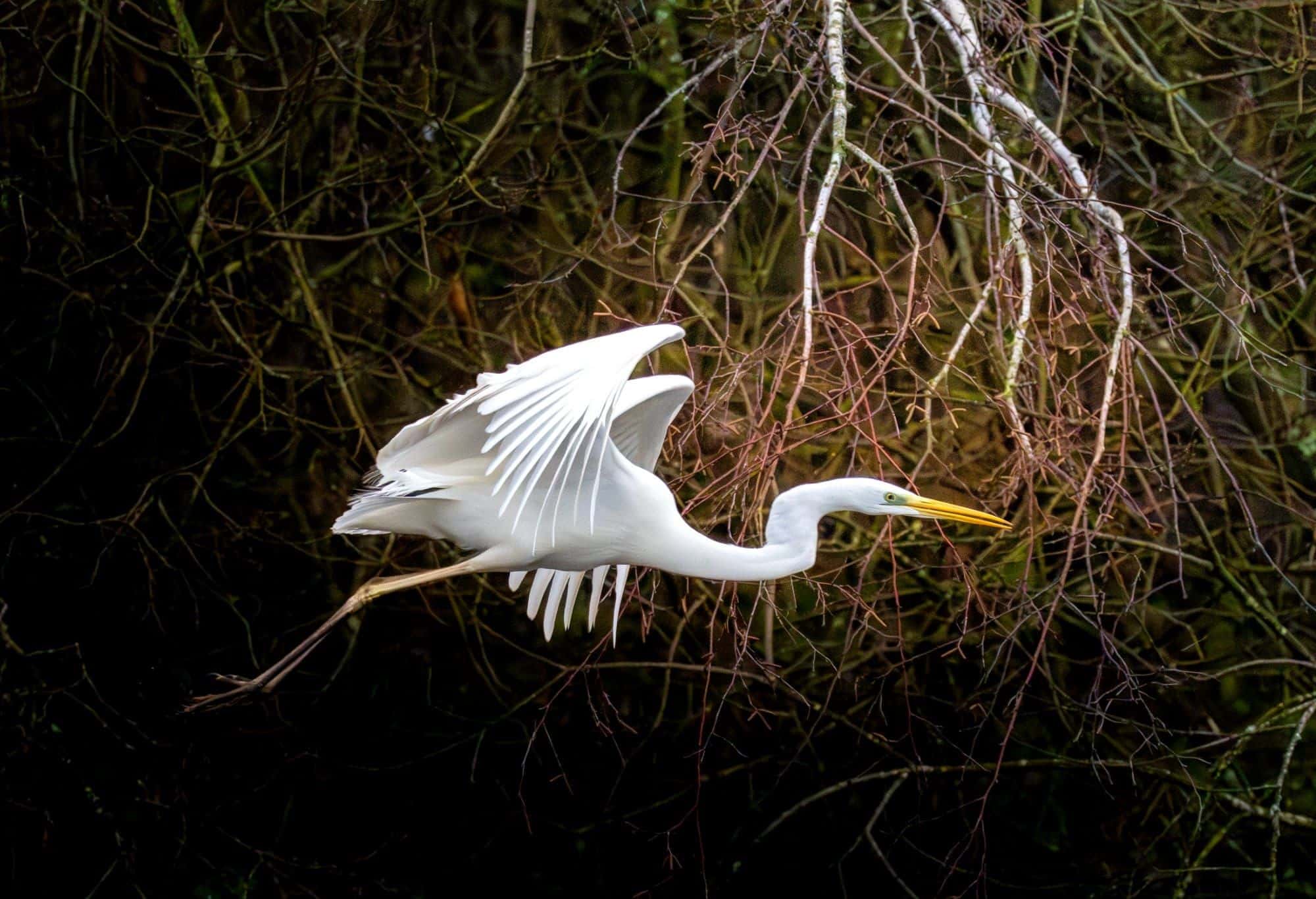
Pennington Flash Country Park
A former mining subsidence that has transformed into one of the North West's premier birdwatching sites. The flash and surrounding habitats attract a wide variety of wildfowl, waders, and woodland birds throughout the year.
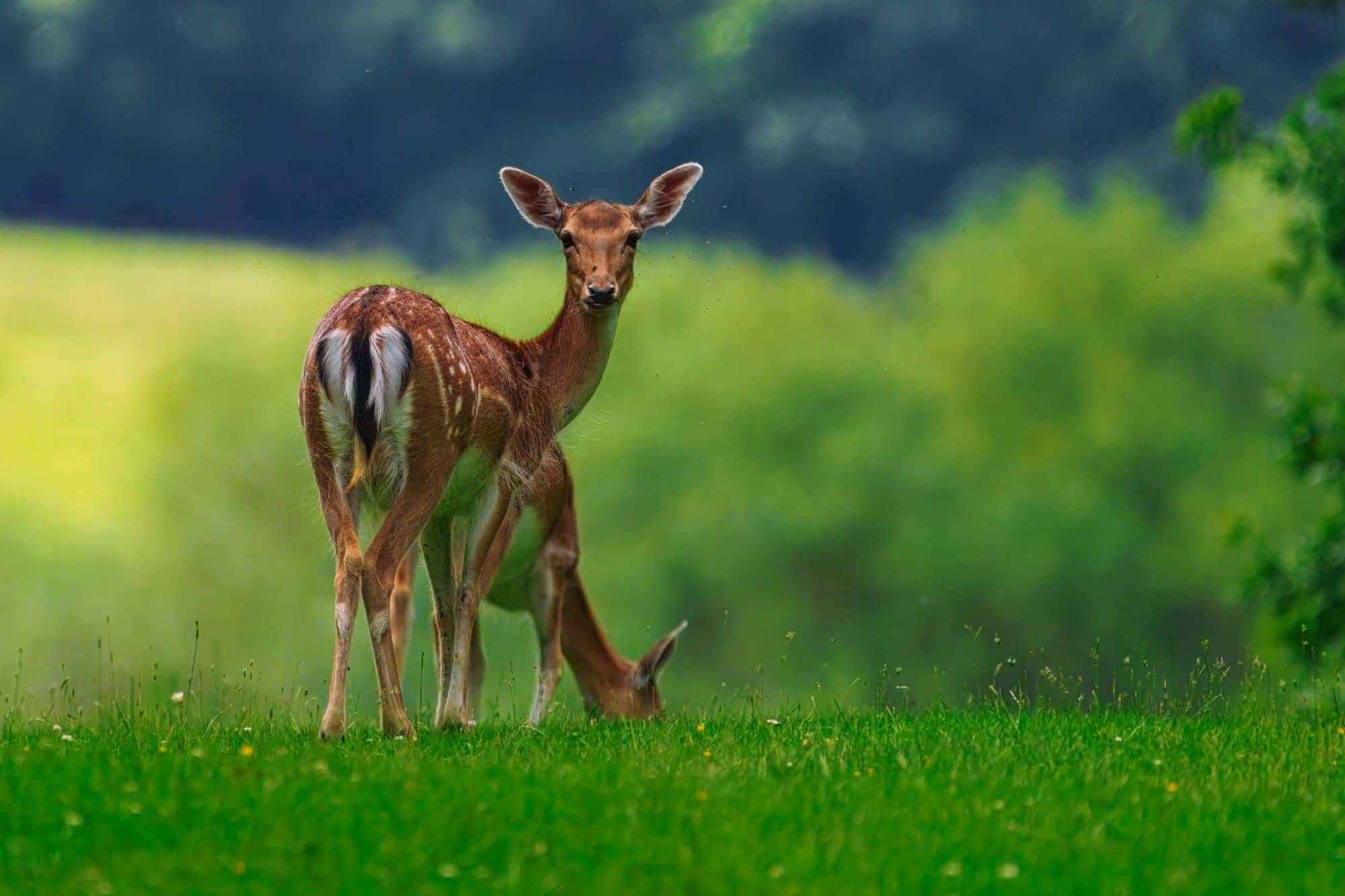
Dunham Massey
A National Trust estate with ancient parkland home to a large herd of fallow deer. The deer park, gardens, and surrounding woodland provide excellent opportunities for wildlife photography in a stunning historic setting.
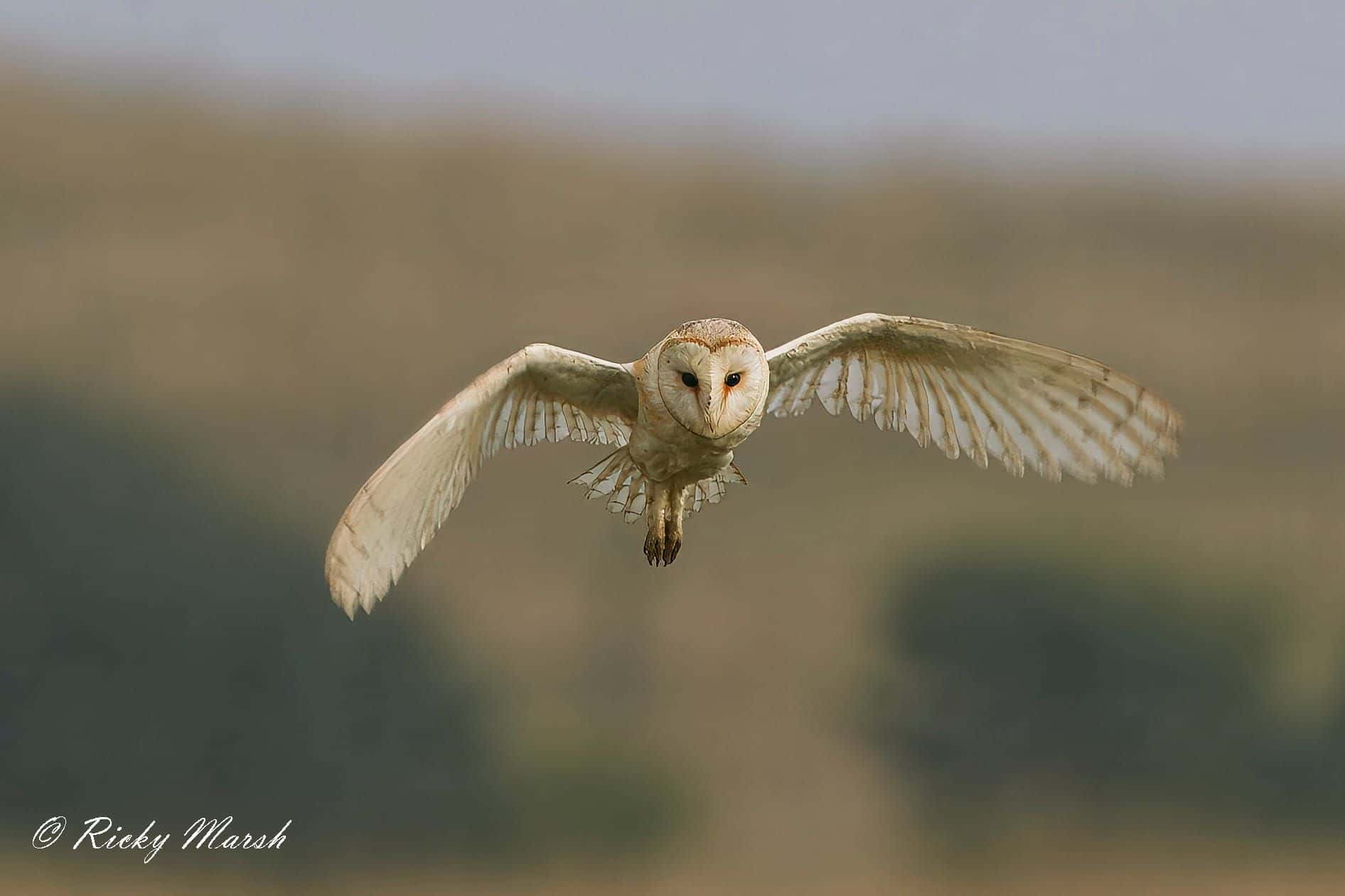
RSPB Bempton Cliffs
Home to the largest mainland gannetry in the UK and one of England's most accessible puffin colonies, RSPB Bempton Cliffs offers spectacular seabird photography from fenced clifftop viewpoints. Barn owls hunt the rough fields around the visitor centre at dawn — a quiet bonus for early arrivers.
More Reserves Being Added
The four locations above are documented in detail right now, but the list is growing. Future guides will cover more reserves across the North West and beyond — including the wider RSPB and Wildlife Trust networks, National Trust deer parks, and the kind of smaller council-managed sites that don't always get attention but quietly produce excellent photography.
If there's a UK nature reserve, country park, or photography hotspot you'd like to see covered — especially one with strong accessibility credentials — please get in touch. Suggestions from people who know a place first-hand always carry the most weight.