Sony FE 200-600mm f/5.6-6.3 G OSS Review
Outstanding super-telephoto zoom with internal zoom design and excellent sharpness throughout the range. After eighteen months of wildlife shooting on Sony bodies, this is still the lens I'd recommend to anyone — beginner, enthusiast or working pro — buying their first serious wildlife setup.
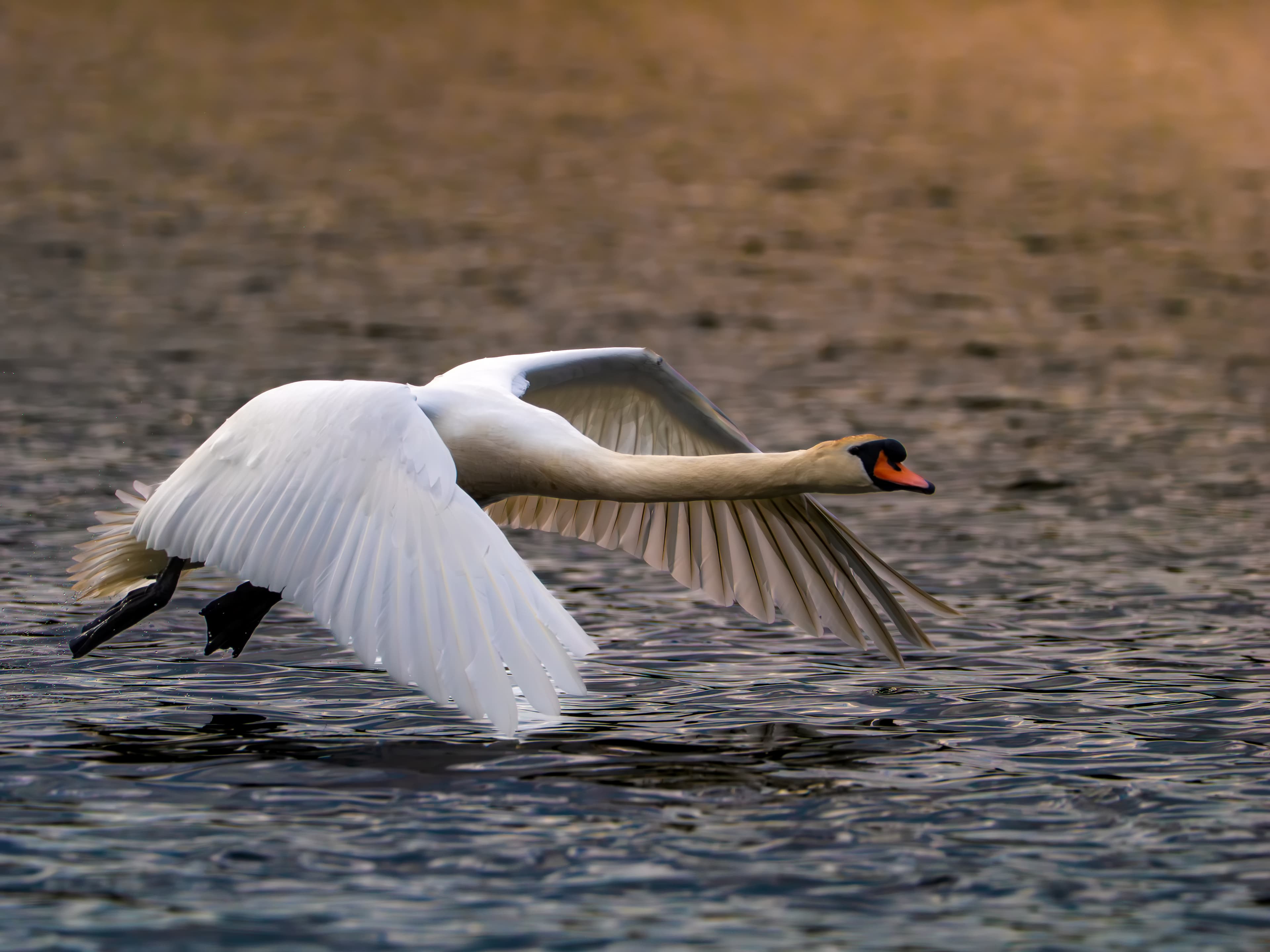
I've owned the Sony 200-600mm for around eighteen months, and if I were to recommend any one lens for Sony cameras for wildlife, this would be the first lens I'd buy. It is, simply, the lens I'd put in any wildlife photographer's hands first — beginner, intermediate or working pro — and the one I keep coming back to despite owning the Sigma 500mm f/5.6 prime alongside it.
The case for the lens is short. The flexibility, the internal zoom, and the bang-per-buck. I'd recommend it for its autofocus, its sharpness, and its reasonable price. Whether I'm sat in a hide or out tracking swans across the water at first light, it's a lens that gets the shot.
The rest of this review digs into why — the buying decision, how it handles, how the autofocus actually performs paired with native Sony bodies, how it compares to the Sigma 500mm prime I also own, and whether the f/6.3 maximum aperture at 600mm is the limitation that internet wisdom claims it is.
Why I Chose the 200-600mm
Before I had this lens I wasn't really doing wildlife. The longest lens I owned was the Sigma 70-200mm f/2.8 Sport, which is a brilliant lens for what it is — but when I started taking wildlife images, I needed something with substantially more reach.
The 200-600mm was the obvious answer. It's the cheapest way to 600mm in the Sony lineup, the optical reputation was already excellent by the time I bought, and the zoom flexibility meant I wouldn't be locked to a single focal length the way a prime would lock me. When I was looking around at the time, I noticed professional wildlife photographers were using it — that, combined with the price compared to the next step up (which is thousands of pounds away), made the decision straightforward.
Build, Handling & The Internal Zoom
I generally use the 200-600mm handheld. I need that flexibility — when I'm tracking swans over the water, I need the fluid movement that only handheld delivers. The lens is heavy at 2.1kg, but the weight sits where it should, and after eighteen months I've adjusted to it.
The internal zoom design is one of the genuine reasons to choose this lens over rivals. The lens stays the same physical length whether you're at 200mm or 600mm, which means the centre of gravity stays in the same place — important when you're panning a fast subject and don't want the balance shifting on you mid-track. The other benefit is that the front element doesn't extend out into the air every time you zoom: there's no dust pumping in and out of the barrel, and the lens isn't exposed to the elements the way external-zoom designs are. Over the long run, that matters.
Autofocus Performance
The hit rate is excellent. I really put that down to it being a native Sony lens — it syncs with Sony bodies in a way that third-party lenses can only try to. I'd say I get hits of at least 90% on birds in flight in good light. In low light, such as at dawn, the focus isn't as good, which is to be expected — photography requires light, and no autofocus system can manufacture it.
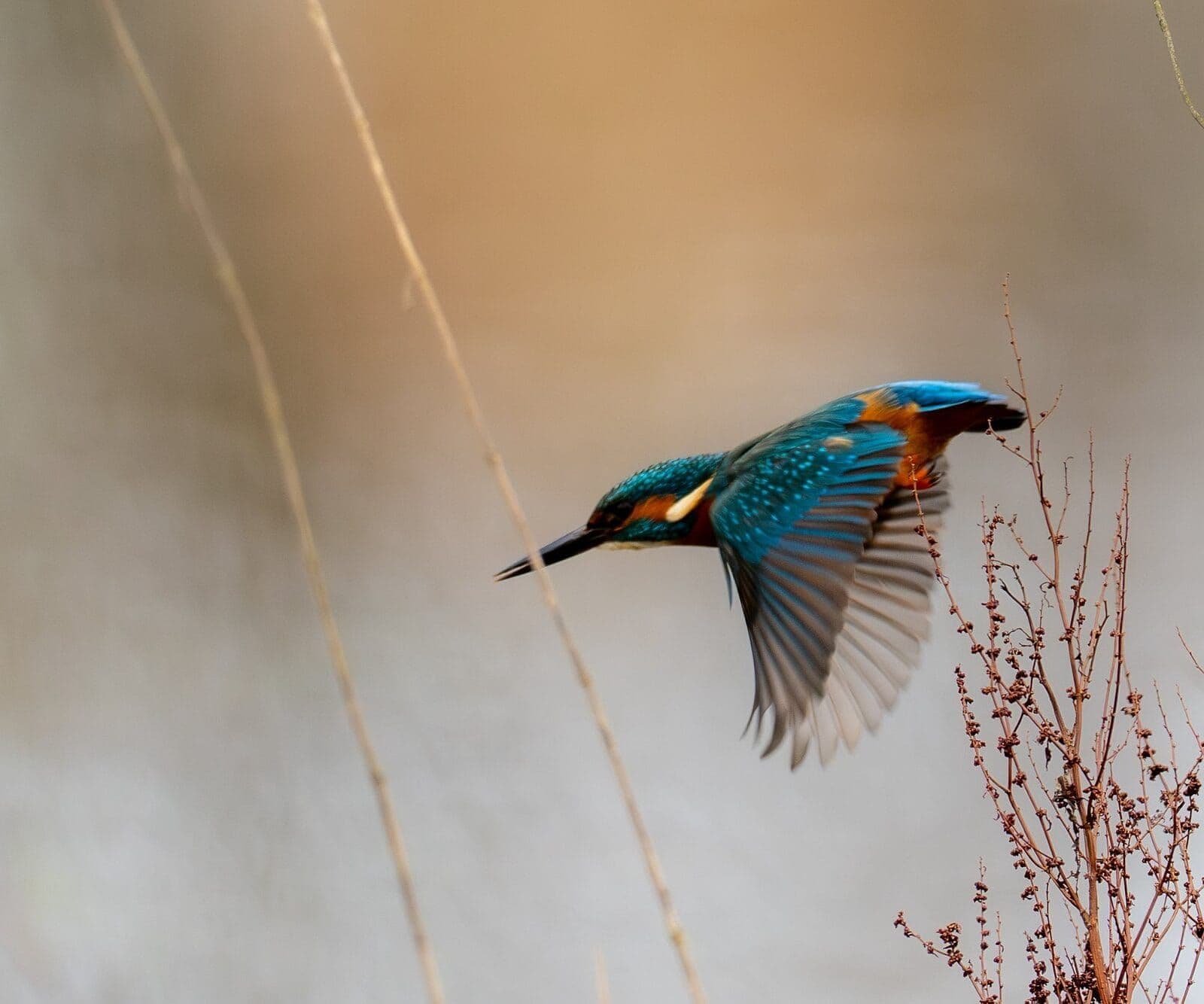
What this means in practice is that when I'm at Pennington Flash or Leighton Moss tracking swans, kingfishers or kestrels, I'm not fighting the camera. The lens locks on quickly, holds the eye through chaotic backgrounds and reedbeds, and the burst rate stays where it should — which is critical for capturing peak action. Pair it with the A1 and the autofocus on this lens has no business being this good for the price.
Image Quality & Sharpness
The lens is sharp, and for the price there's nothing like it — the next step up is thousands of pounds away. I can honestly not fault this lens. It punches well above its weight and cost.
When I was looking at it, the deciding factor — beyond the flexibility — was that professional wildlife photographers were using it for paid work. That wouldn't happen with a soft lens. In real-world use, sharpness across the zoom range is consistent: 600mm performs as you'd expect a 600mm to perform on a serious wildlife camera, and the lens holds up wide open at f/6.3 without needing to stop down to clean up.
200-600mm vs Sigma 500mm f/5.6 — When To Use Which
I own both, so this is a comparison I can make from genuine experience rather than spec sheets.
The 200-600mm is the more flexible lens for framing shots, and it accepts teleconverters — though I only use the 1.4x when lighting conditions allow. It also has greater reach than the Sigma 500mm, but it's also heavier. I used the Sony for over twelve months before I bought the Sigma 500mm.
The main reason I take the Sigma on my walk-around is the weight. The Sigma is nearly half the weight of the Sony and far less bulky in hand. But the Sigma can't focus when close to subjects, whereas the Sony is much better up close. The native frames-per-second on the Sony are also higher than the Sigma will allow, and the hit rate on the Sigma isn't quite as good — the difference isn't large, but it's there.
If I were making the decision again, and I didn't already own a long lens, I'd select the Sony every time. Zoom flexibility, sharpness, native frame rate. The Sigma is a brilliant lens, but it's a lot of money for a few specific gains — chiefly weight. (Read my full review of the Sigma 500mm f/5.6 DG DN OS Sports for the other half of this comparison.)
f/6.3 at 600mm — Is the Aperture a Limitation?
The question on whether you "need" a 600mm f/4 instead of an f/6.3 zoom is, for me, a question for someone using the lens for hobby purposes. Is it worth the cost difference?
It isn't only the aperture difference, of course — the glass on a 600mm f/4 prime will be of a higher standard, and there will be measurable optical and AF gains. But the real question is how much disposable income you have, and what you intend to do with the images. Some people buy large-ticket items when they retire, and the 600mm f/4 is exactly the kind of lens that can fit that profile. But if your images are going on Facebook and never being printed or sold, is that huge cost worth the diminishing returns for a big wad of cash?
For my shooting, f/6.3 at 600mm has never stopped me getting the shot. Modern Sony bodies are clean enough at the ISOs you actually need that the aperture never becomes the bottleneck.
In the Field
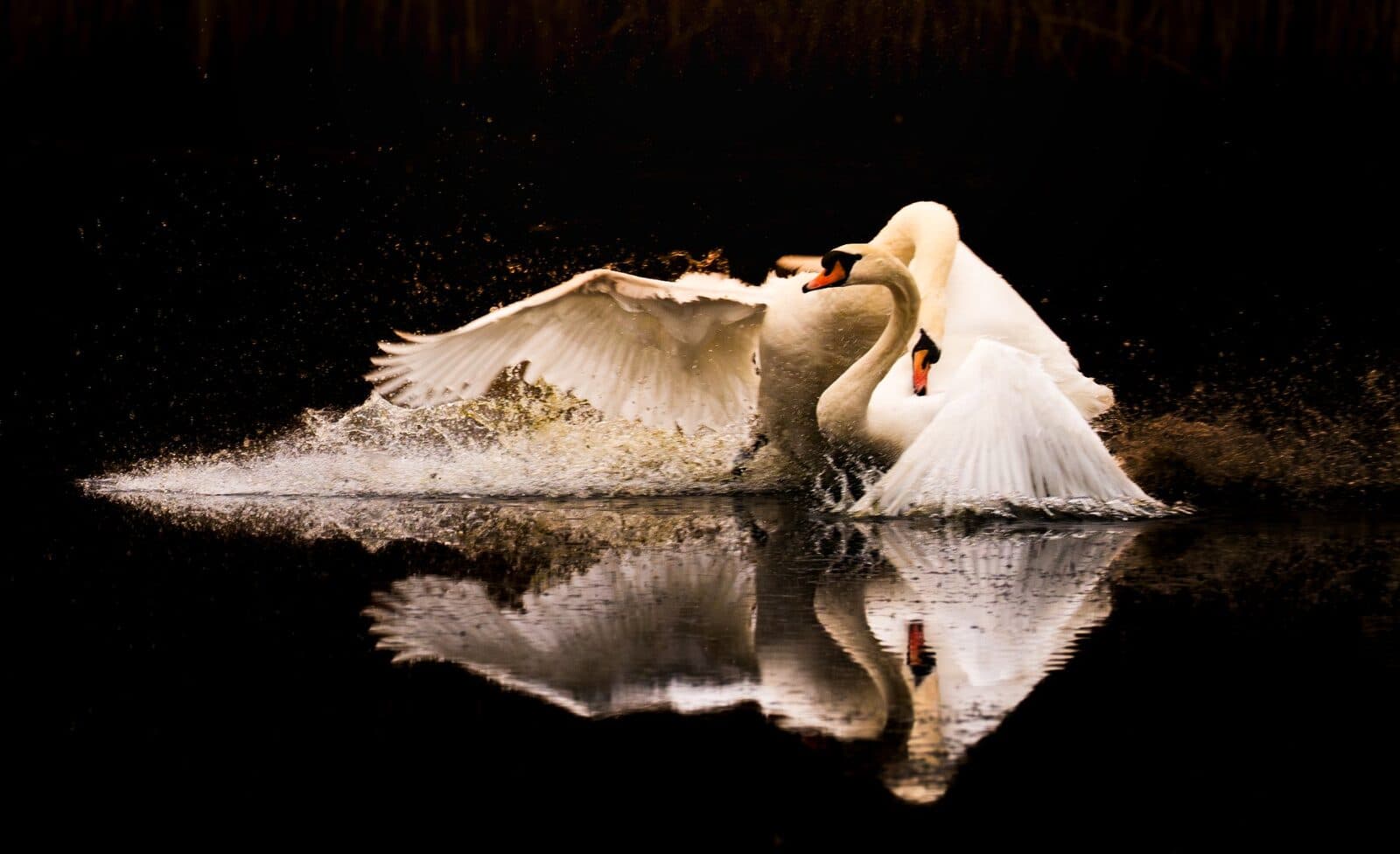
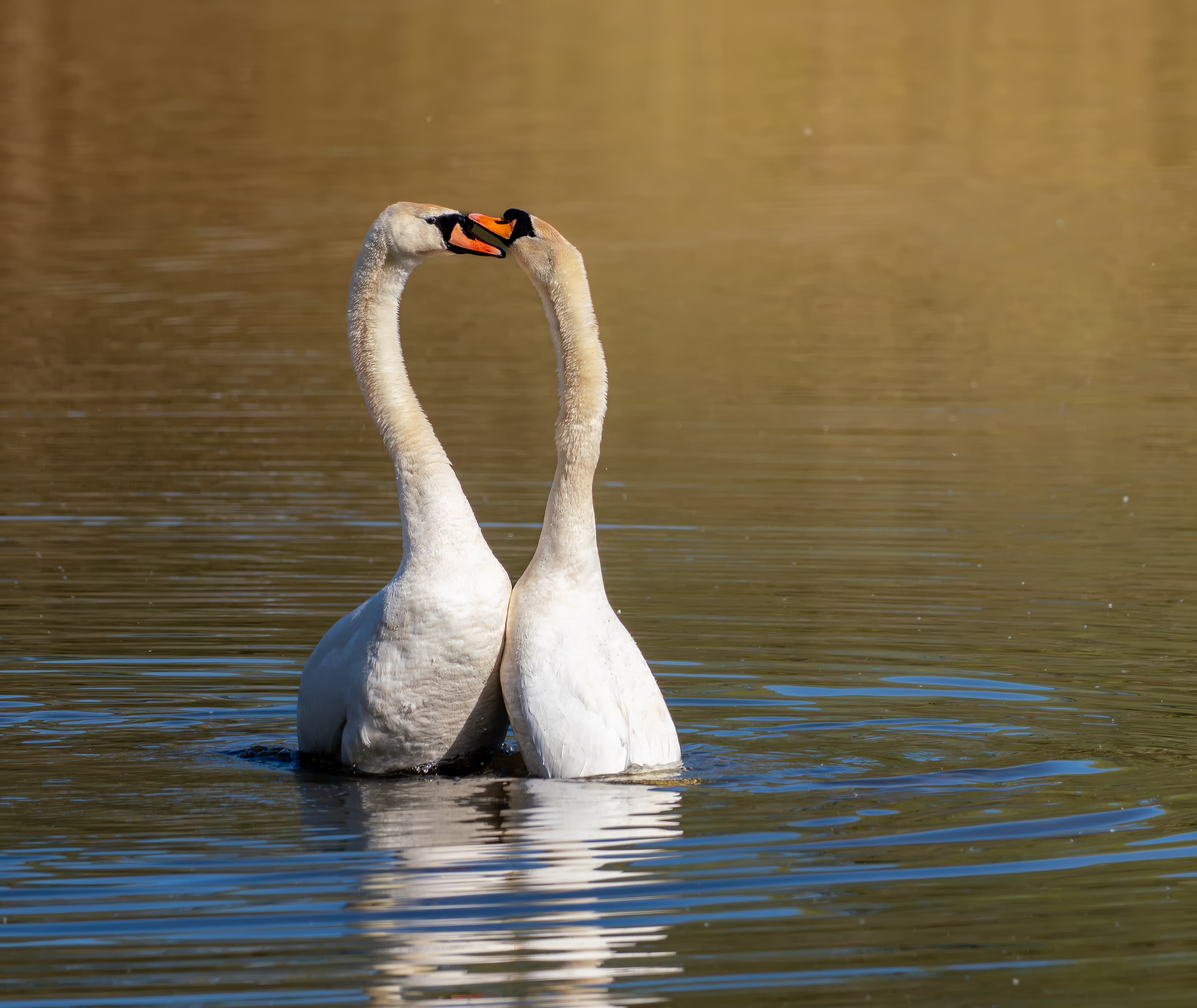
The birds I most enjoy photographing are swans. They're a great subject in the early morning — emerging from the mist on the water, taking off, in flight, and landing — and the 200-600mm works beautifully on them. Sharp images, a great hit rate on swans in flight, and the zoom flexibility lets me pull back when a bird is closer than expected and reach out when it's further than I'd like.
The lens is also great for kestrels — both in flight and perched in a tree — and for robins perched in the branches. This is where the 200-600mm separates itself from the Sigma 500mm in a way I didn't expect when I bought the Sigma. Small birds tucked between branches are a problem for the Sigma — it struggles to focus close, and it struggles to focus through obstructions. The native Sony handles both situations much better. If a robin is in the middle of a tangle of twigs, the Sony locks on; the Sigma often won't.
Who Is This Lens For?
This lens is a no-brainer. It's for all levels — beginner to professional — and it's a sensible first buy at every skill level. If you're walking into wildlife photography and asking "where do I start?", this is the answer.
The one group I wouldn't push it on are existing Sony 100-400 GM owners. The 100-400 is a sharp lens in its own right, and the compelling reasons to upgrade diminish if you already own one. For everyone else — including intermediate photographers upgrading from a 70-300, and working enthusiasts deciding whether to jump up to the Sigma 500 prime or the Sony 600 f/4 — the 200-600mm earns its place in the bag.
I've used the 200-600mm on the A1, the A7R V, the A7 IV and the A6700, and it works well on all of them. Body pairing isn't a deal-breaker — this lens performs across the Sony range.
The Bottom Line
There is no reason not to buy this lens.
The strengths are flexibility, the internal zoom, and the price. The autofocus is excellent, the sharpness is better than the price suggests, and the build is solid. The honest caveat is the weight at 2.1kg — but every long lens has weight, and this one is light for what it is.
If you're sat in a hide, or tracking swans across the water at dawn, this is a lens that gets the shot. After eighteen months it's still the lens I'd buy first if I were starting over, and the lens I'd recommend to anyone — beginner, enthusiast, or working pro — looking at their first serious wildlife setup.
Tested at Pennington Flash, Leighton Moss, Martin Mere and Dunham Massey.
Pros & Cons
What I Like
What Frustrates Me
Locations Where I Use This
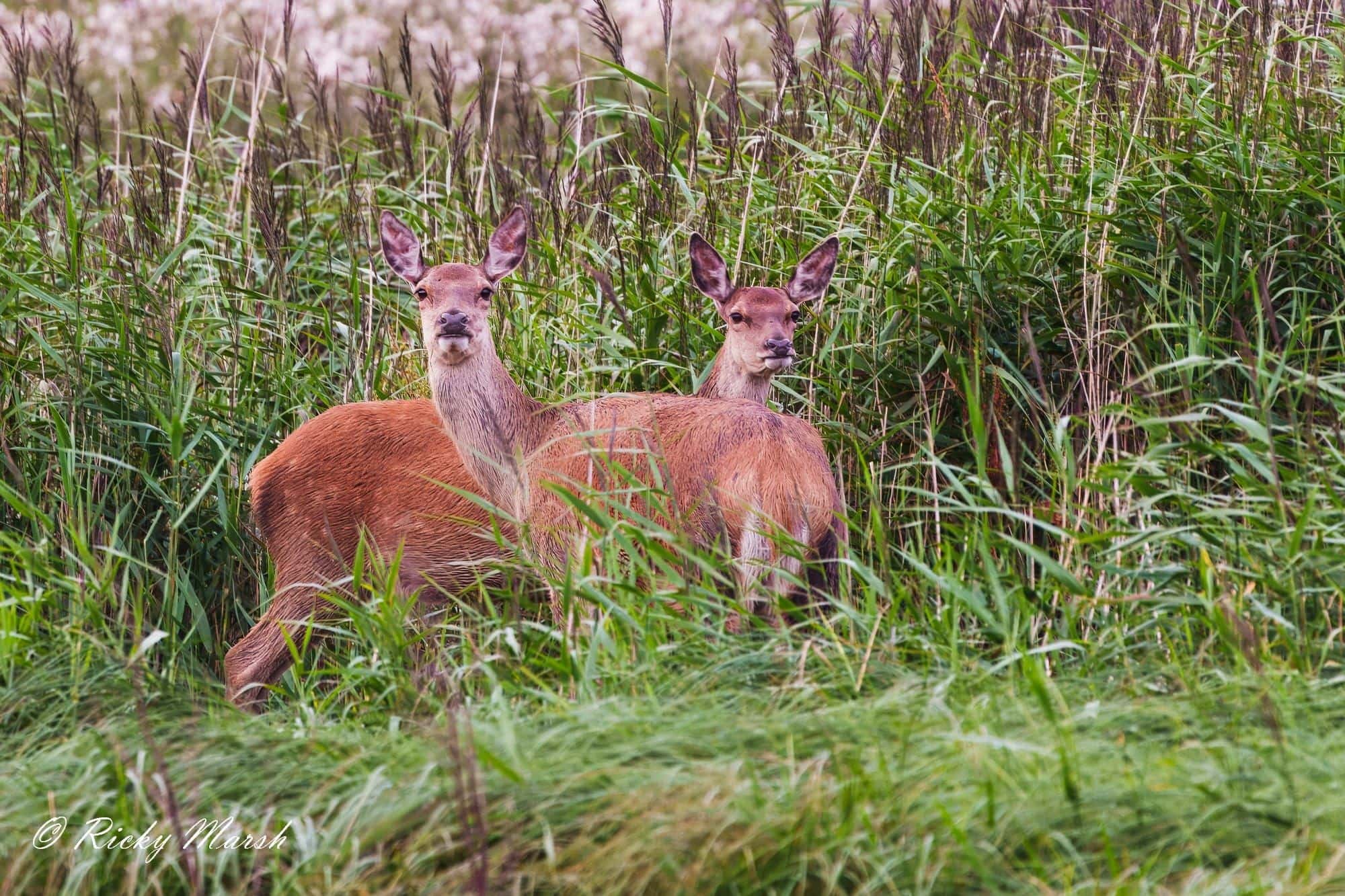
RSPB Leighton Moss
The largest reed bed in North West England, Leighton Moss is a haven for bitterns, marsh harriers, and otters. The reserve offers excellent hides with wheelchair access and stunning views across the reed beds.
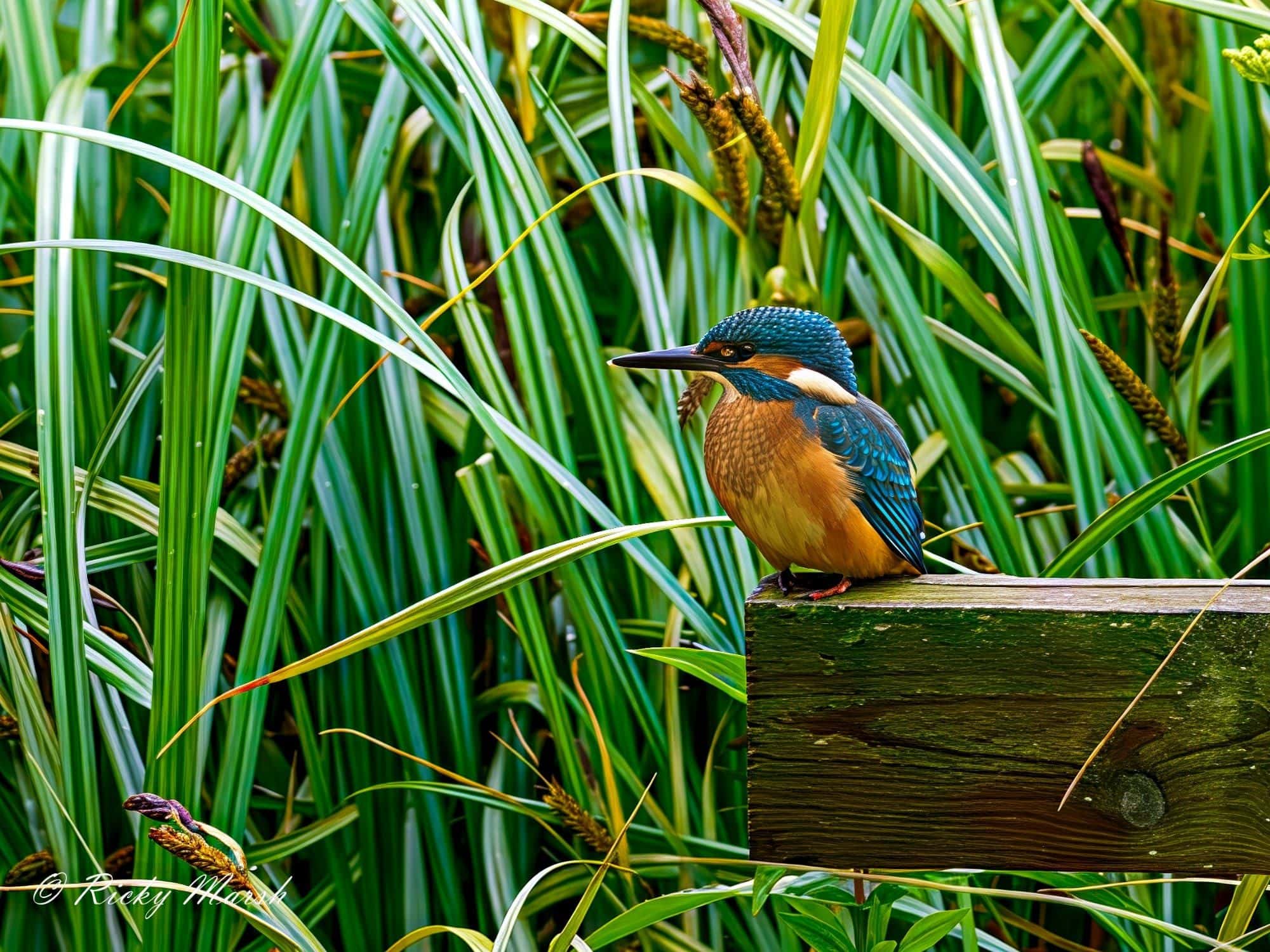
WWT Martin Mere
A wetland paradise that hosts thousands of wintering wildfowl including whooper swans, pink-footed geese, and various duck species. Excellent facilities and hides make this accessible to all.
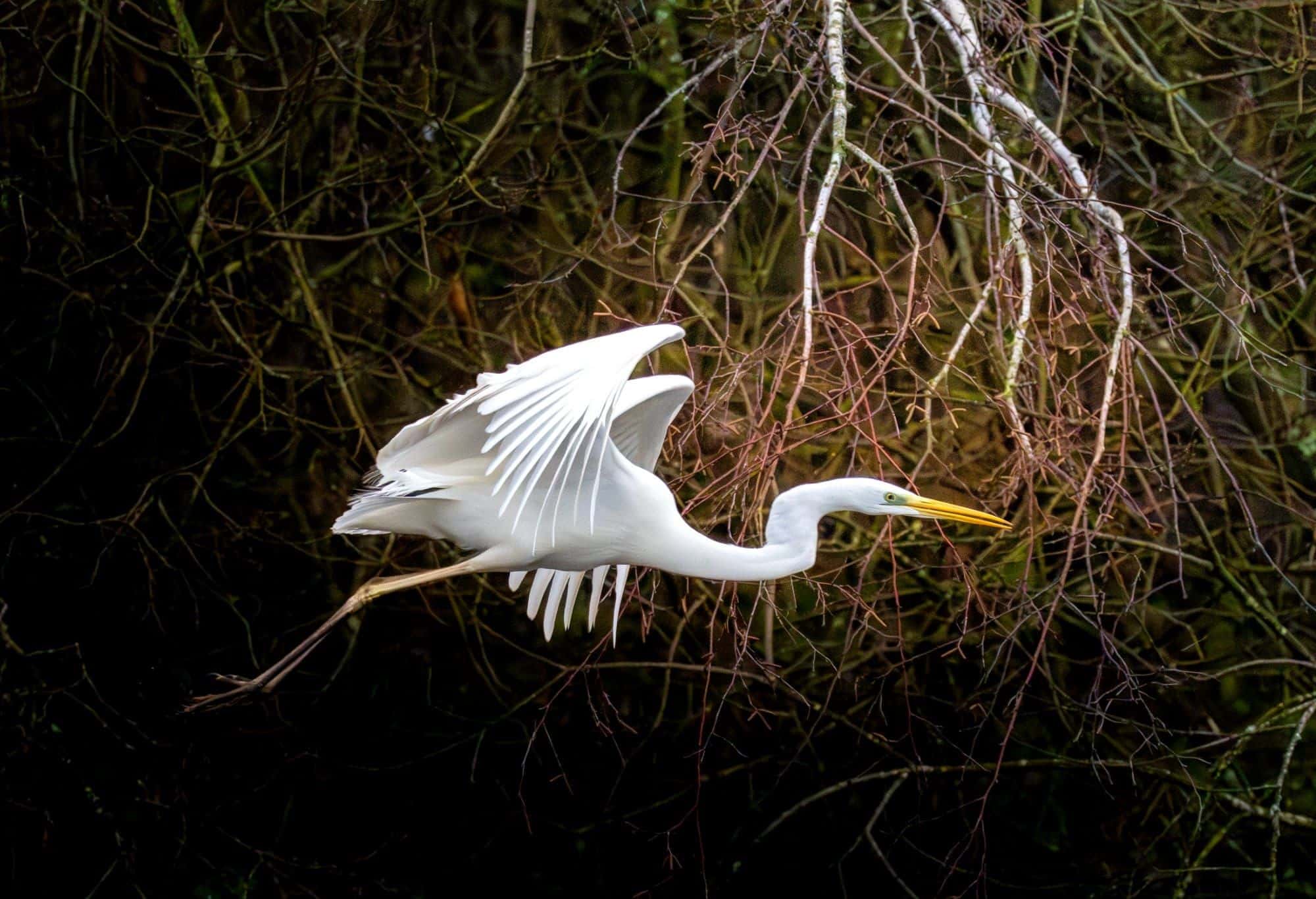
Pennington Flash Country Park
A former mining subsidence that has transformed into one of the North West's premier birdwatching sites. The flash and surrounding habitats attract a wide variety of wildfowl, waders, and woodland birds throughout the year.
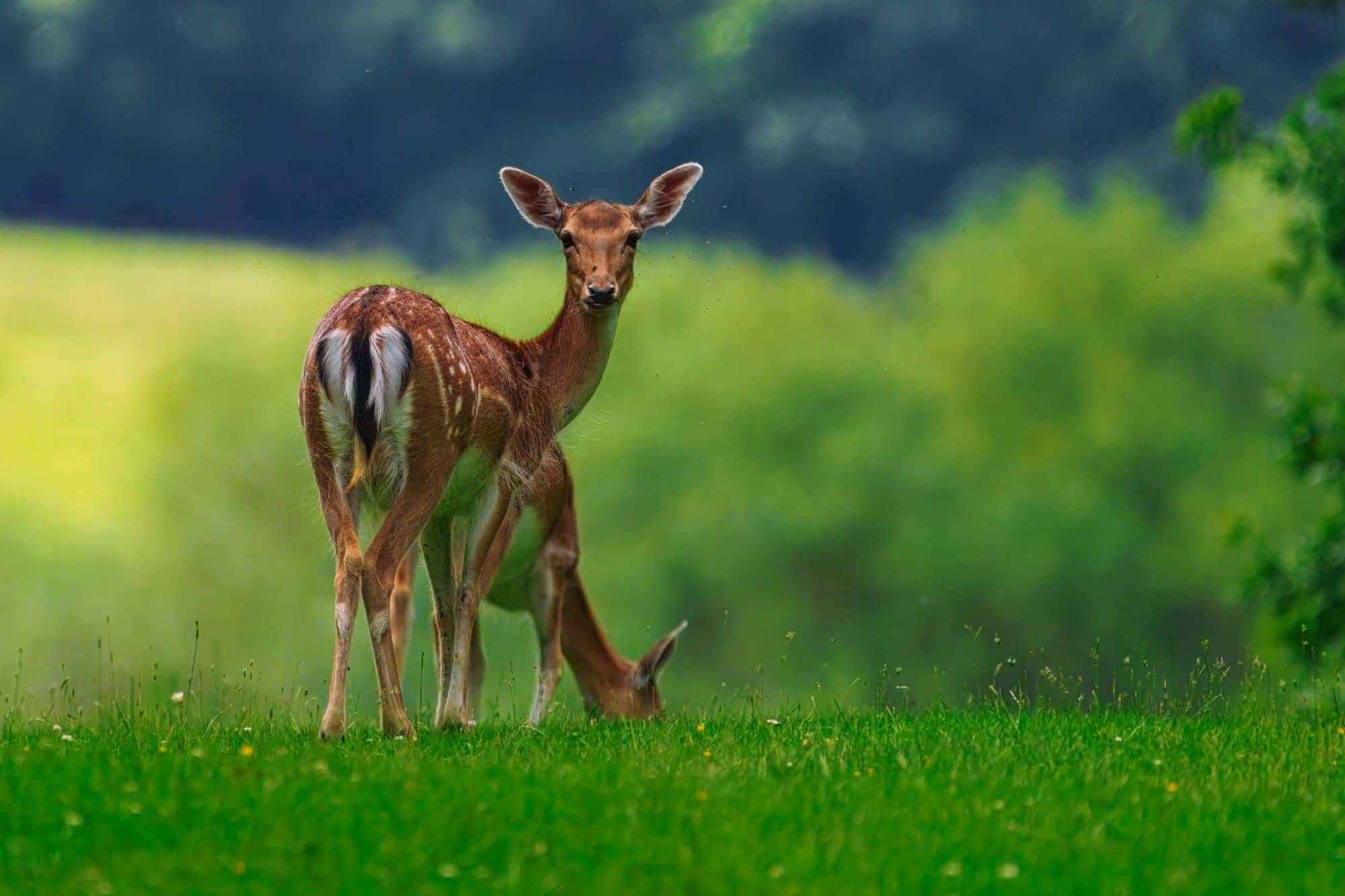
Dunham Massey
A National Trust estate with ancient parkland home to a large herd of fallow deer. The deer park, gardens, and surrounding woodland provide excellent opportunities for wildlife photography in a stunning historic setting.
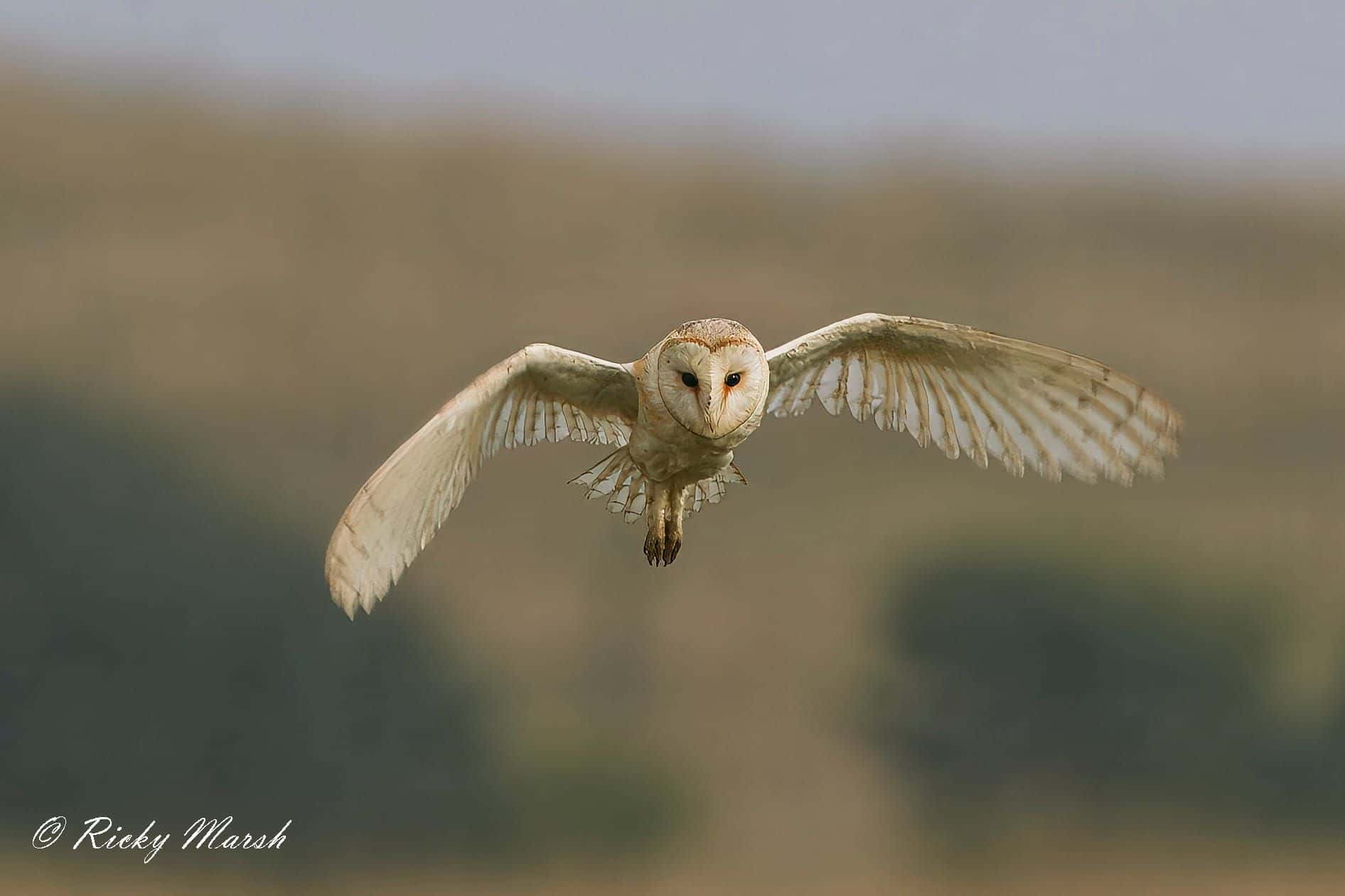
RSPB Bempton Cliffs
Home to the largest mainland gannetry in the UK and one of England's most accessible puffin colonies, RSPB Bempton Cliffs offers spectacular seabird photography from fenced clifftop viewpoints. Barn owls hunt the rough fields around the visitor centre at dawn — a quiet bonus for early arrivers.
Specifications
More Wildlife Photography Equipment Reviews
Comparing options? Read my other field reviews: Sony A1 wildlife review, Sony A7R V wildlife review, Sony A6700 wildlife review, OM System OM-1 Mark II wildlife review, Sigma 500mm f/5.6 DG DN OS Sports wildlife review, OM System M.Zuiko 300mm f/4 IS Pro wildlife review and OM System M.Zuiko 50-200mm f/2.8 IS Pro wildlife review.
Sony A1
The best camera I've ever owned. The Sony A1's bird eye detection autofocus is in a class of its own for wildlife photography, and the 50MP sensor gives you the resolution to crop heavily and still produce stunning prints. Five years on, it still does everything I need.
Sony A7R V
An outstanding portrait, landscape and detail camera that also handles wildlife when speed isn't the priority. The 61MP sensor gives extraordinary cropping reach with the 200-600mm, but the non-stacked sensor and rolling shutter make this a complement to an A1 rather than a replacement.
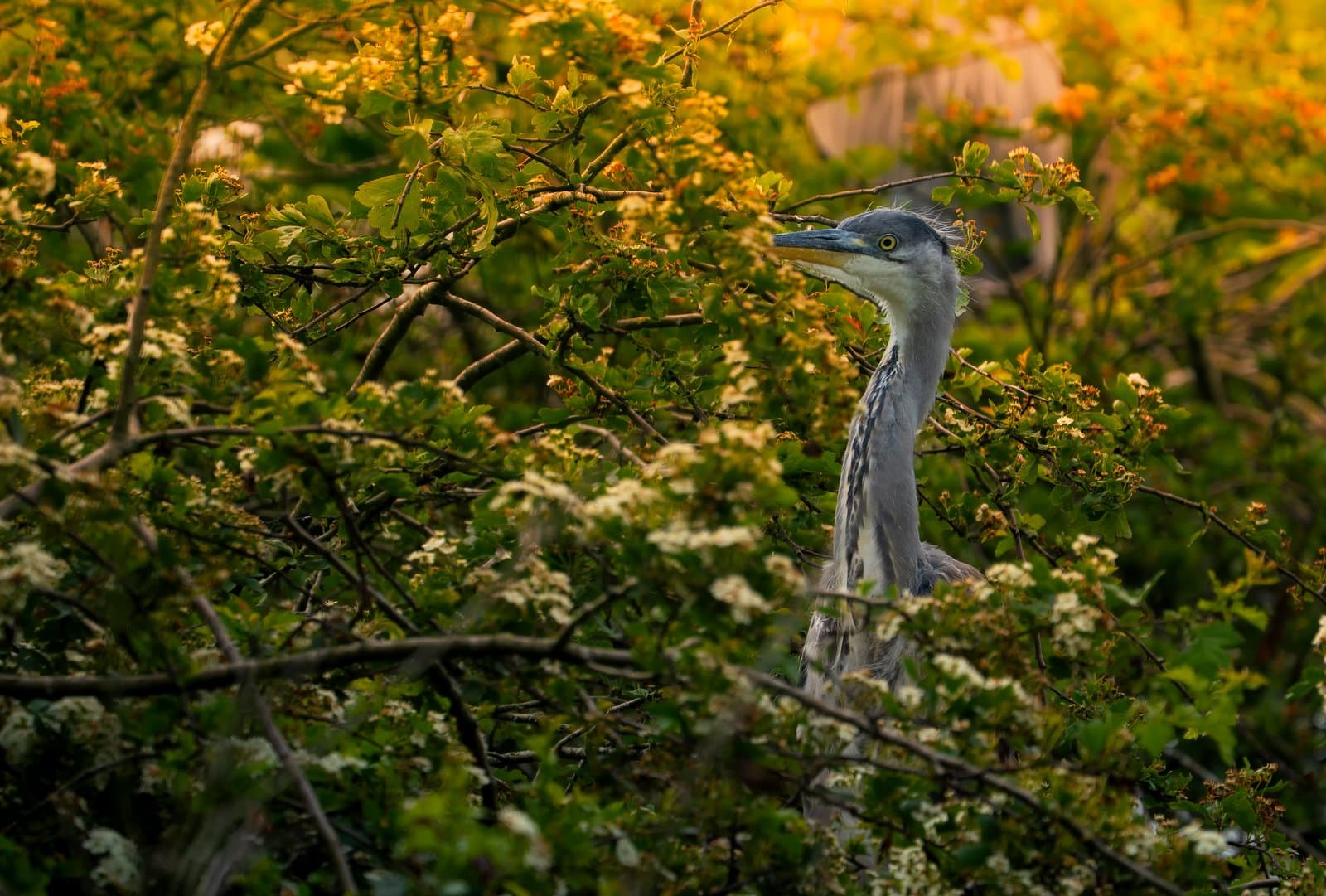
Sony A6700
The Sony A6700 is a compact APS-C body with the same AI autofocus chip as the A7R V, a 1.5× crop factor that turns the 200-600mm into a 300-900mm equivalent, and exceptional video AF. It is the camera I should have started with — light enough to carry anywhere, capable enough for everything except flagship-class action and harsh-weather work.
OM System OM-1 Mark II
After twelve months of ownership — and several years of OM and Olympus bodies before it — the OM-1 Mark II is the camera I'd keep if I could only keep one camera system. Lighter than my Sony kit, completely weather sealed, and with autofocus on par with the A1, it covers wildlife stills, wildlife video, landscape and street photography in one body.
Sigma 500mm f/5.6 DG DN OS Sports
A 500mm prime that has largely replaced my Sony 200-600mm thanks to its remarkable portability, but the 3.2m minimum focus distance, lack of teleconverter support on Sony, and 15fps burst cap hold it back from perfection.
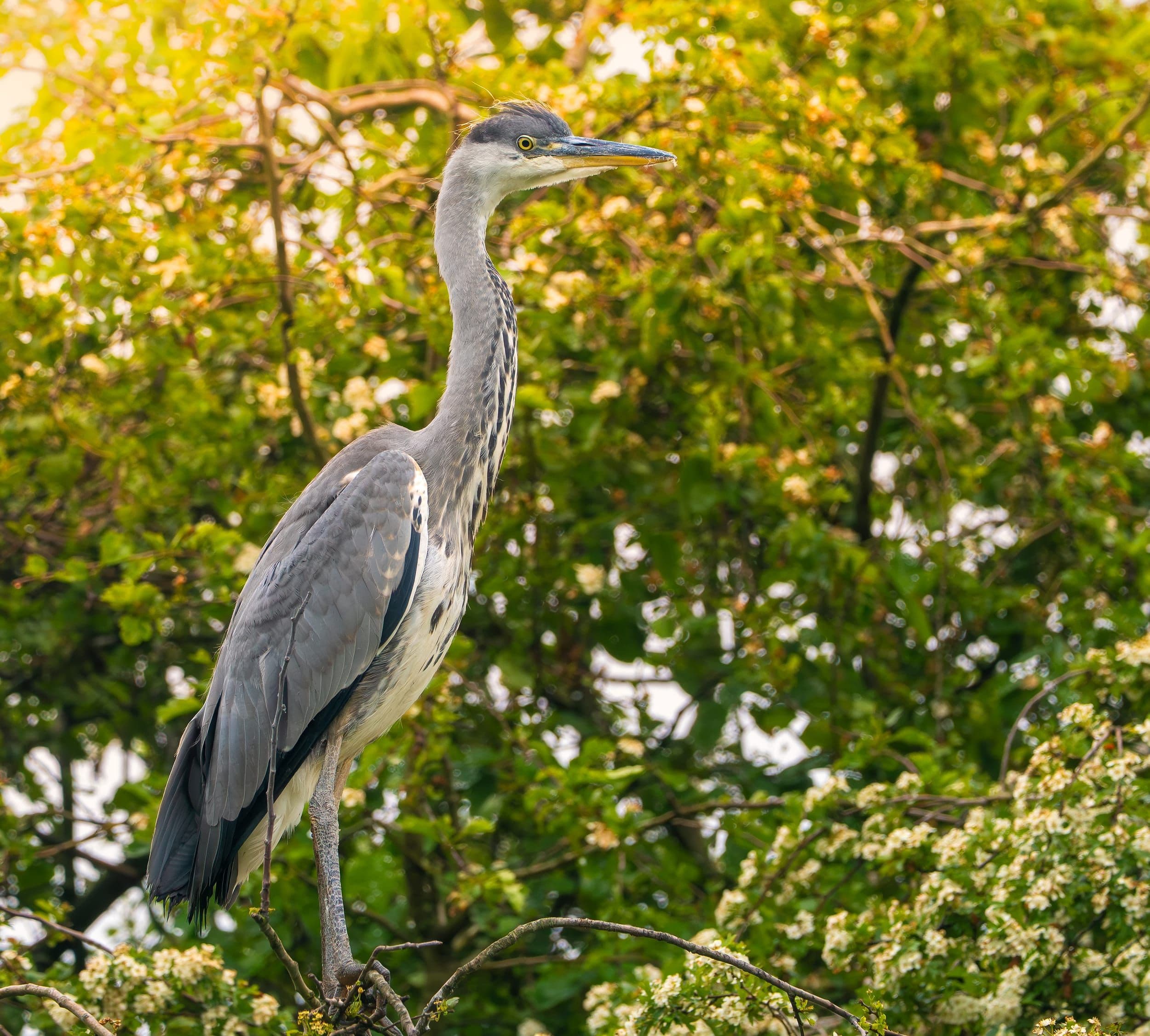
OM System M.Zuiko 300mm f/4 IS Pro
600mm-equivalent f/4 reach in a sub-1.3kg package. AF that locks on through branches where Sony and Sigma rivals struggle, 1.4m close focus that handles dragonflies and reed buntings on the same trip, and Sync IS for handheld work in any weather.
OM System M.Zuiko 50-200mm f/2.8 IS Pro
A constant-f/2.8, 100-400mm-equivalent wildlife zoom that combines fast bird-in-flight autofocus, internal zoom handling and 0.78m close focus in a 1,075g lens. Expensive, but unusually capable as a single handheld lens for birds, larger wildlife and low-light work.