Sony A7R V for Wildlife Photography
An outstanding portrait, landscape and detail camera that also handles wildlife when speed isn't the priority. The 61MP sensor gives extraordinary cropping reach with the 200-600mm, but the non-stacked sensor and rolling shutter make this a complement to an A1 rather than a replacement.
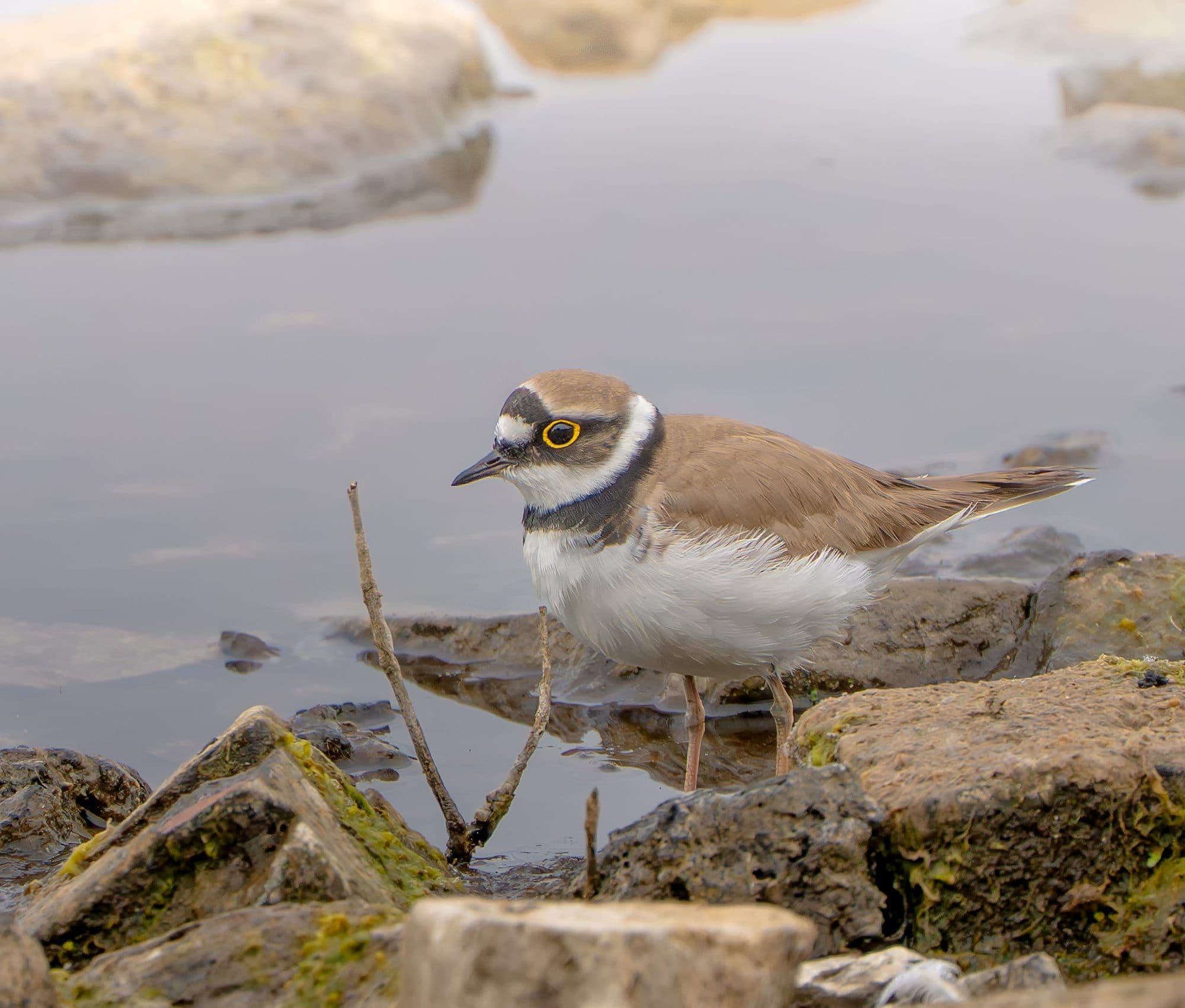
The Sony A7R V is the second body in my kit. The A1 does about ninety-five per cent of my wildlife work; the A7R V comes out for specific occasions where 61 megapixels of detail matter more than burst speed or autofocus aggression. After using it alongside the A1 at Pennington Flash, that division of labour has settled into something I'm genuinely happy with — though I'd hesitate to recommend the A7R V as anyone's only wildlife camera.
Is the Sony A7R V Good for Wildlife Photography?
For some wildlife, yes. As your only wildlife camera, I would not choose it. For perched birds, portraits, deer in woodland and patient hide work, its AI autofocus finds the eye and holds it through head turns, and the 61MP sensor lets me crop a 200-600mm frame by half and still keep a 30MP file, which is close to having a 1200mm-equivalent lens.
For birds in flight it is held back. The sensor is not stacked, so the silent electronic shutter bends anything moving, and that leaves the mechanical shutter at 10 frames per second against the A1's 30. That is why it is the second body in my kit: the A1 does about ninety-five per cent of my wildlife work, and the A7R V comes out when detail matters more than speed.
Why I Have Both
The instinct, when you already own a Sony A1, is to ask what a second body could possibly add. The honest answer is: nothing, for most of the work I do. The A1 is a better wildlife camera in almost every way that matters when something is moving — its stacked sensor reads out faster, its 30fps electronic shutter is genuinely usable, and its real-time tracking is rock-solid. The A7R V doesn't outperform the A1 at any of that.
What the A7R V does better is detail. At 61 megapixels it gives you twenty per cent more linear resolution than the A1's 50MP sensor, which translates into roughly an extra forty per cent of pixel area. You feel that when you crop. With the Sony 200-600mm at 600mm — my standard wildlife combination — I routinely crop A7R V files by fifty per cent or more in post and still come out with a 30MP file. That's effectively turning the 200-600mm into a 1200mm-equivalent lens, with a result that's still bigger than an uncropped A1 frame.
So for static subjects — perched birds, portraits, landscape-wildlife crossover, fine texture and tonal work — the A7R V quietly outperforms the A1 in a way that you only really see at 100% in Lightroom. For anything moving, it doesn't.
The Autofocus Story
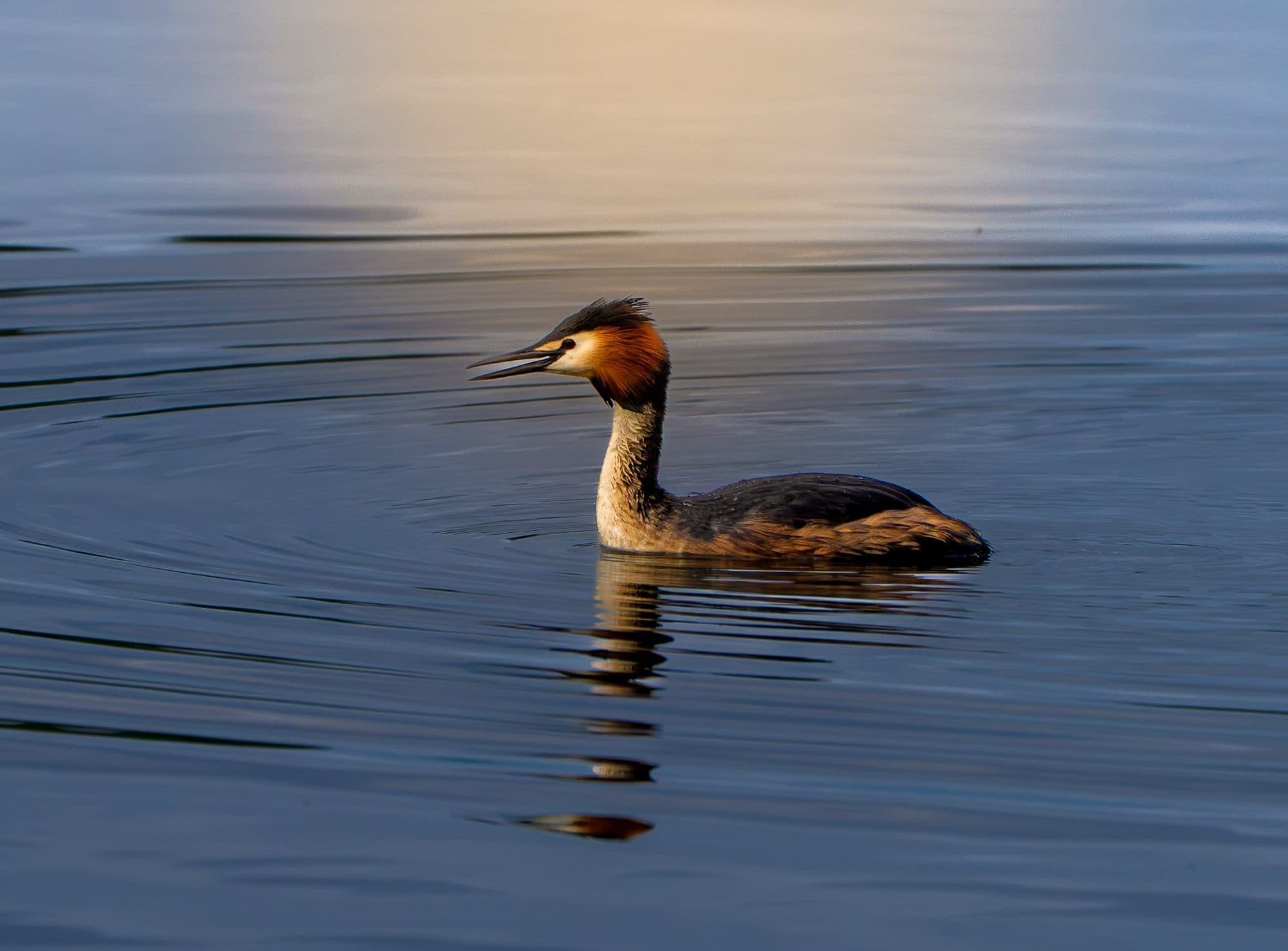
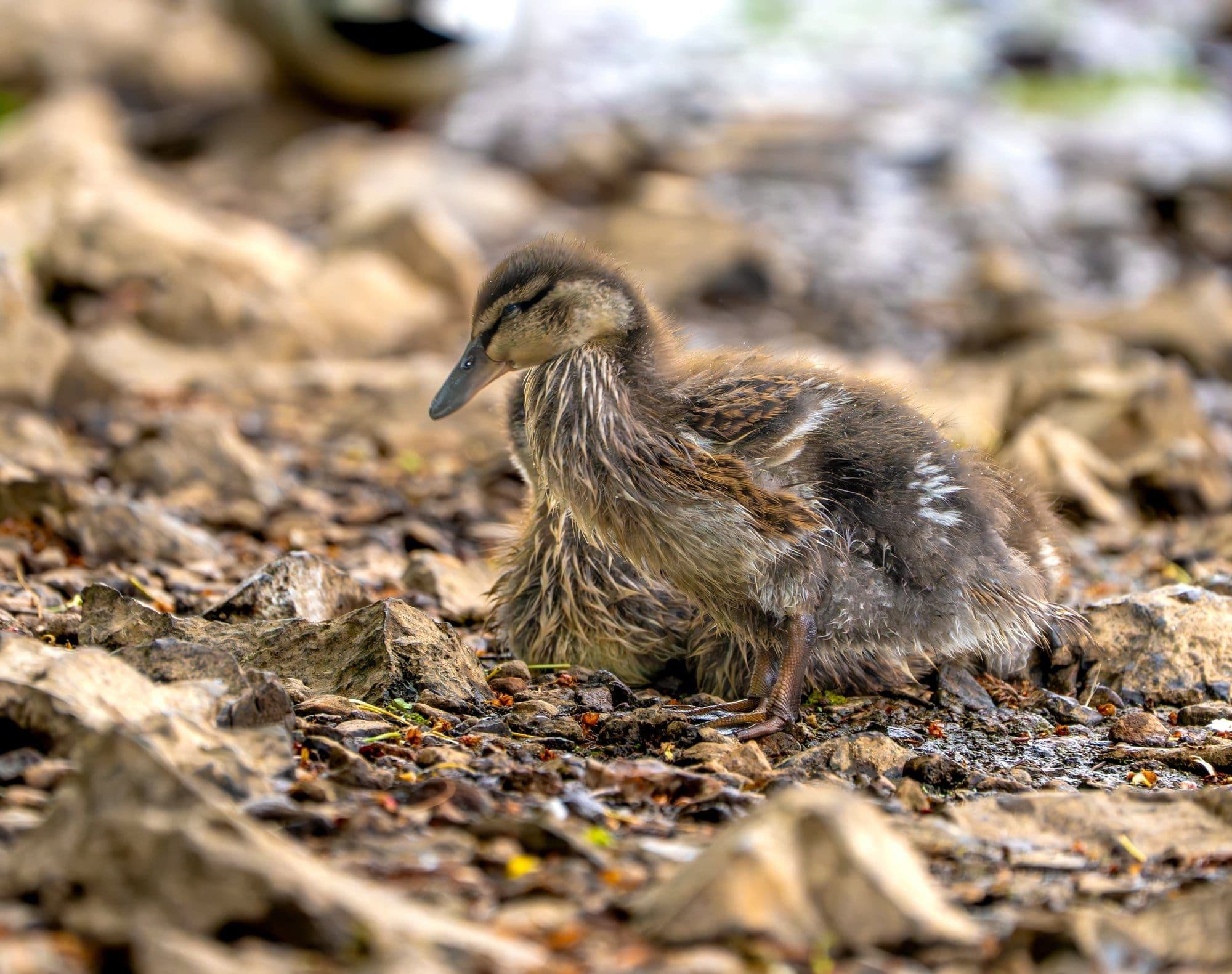
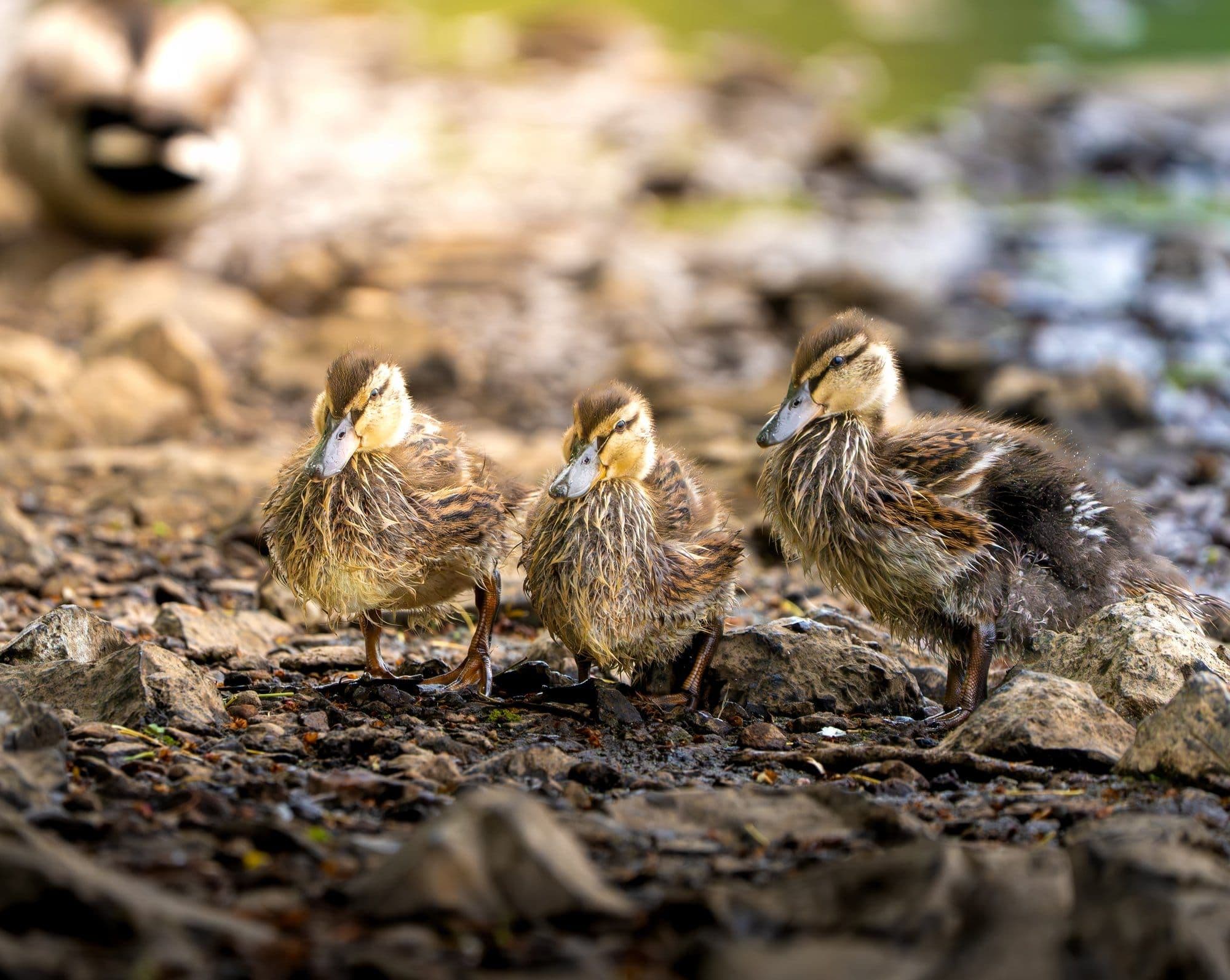
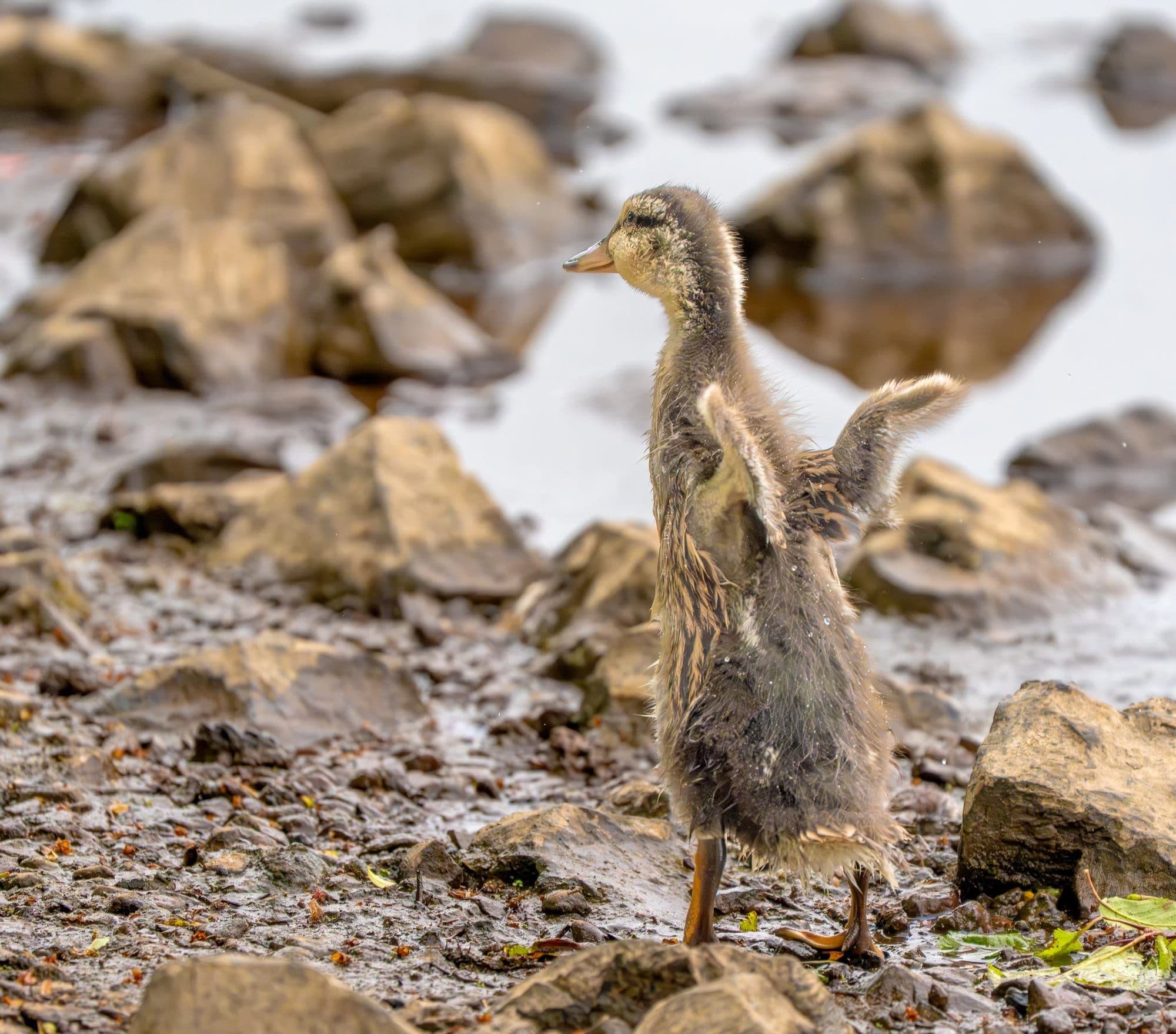
The A7R V was the first Sony body to use a dedicated AI processing unit, and Sony's marketing leans heavily on the AI-based subject recognition that the chip enables. In practice, the AI is excellent for what I use this camera for. Lock onto a perched little ringed plover or a swimming great crested grebe and the system identifies the bird, finds the eye, and holds it through small movements and head turns with a confidence that's almost unsettling. The same is true for pied wagtails on fence rails, ducklings at rest on the shoreline — anything where the subject isn't tearing across the frame.
But the test of an autofocus system isn't perched birds — it's birds in flight. And here the A7R V's AI advantage on paper doesn't translate cleanly into real-world performance, for one simple reason: the camera is bottlenecked by everything around the AF system. Ten frames per second from the mechanical shutter is a third of the A1's 30fps electronic rate. By the time the A7R V's AI has identified, locked on and committed a frame, the A1 has already taken three. For action work, that matters more than how clever the autofocus is.
So the simple comparison is this: A1 better for action, A7R V better for portraits. If your wildlife photography is mostly the latter — patient hide work, songbird portraits, deer in woodland, anything not moving fast — the A7R V's AF is a step ahead. If it's the former, it isn't.
The Sensor — and Its Compromise
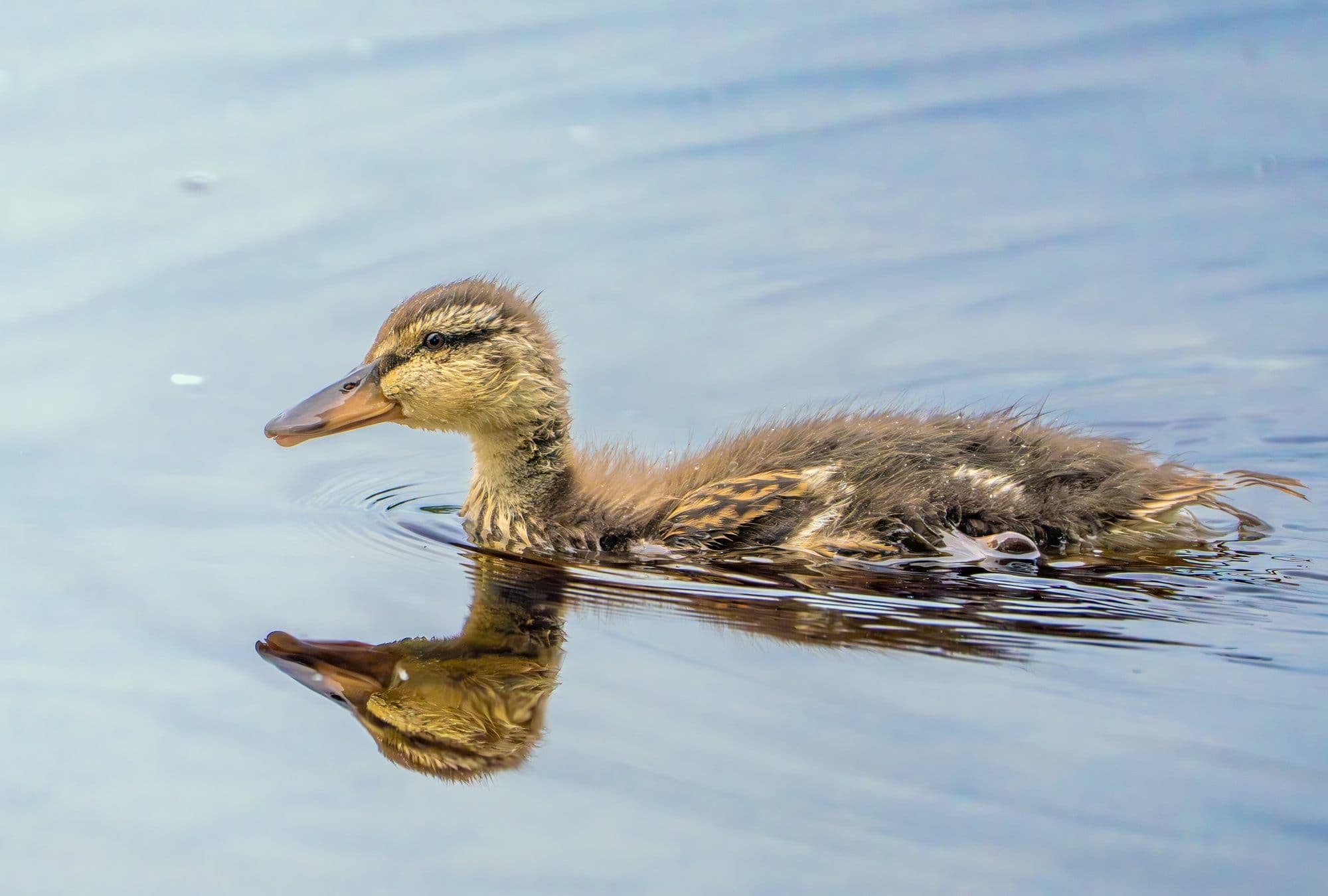
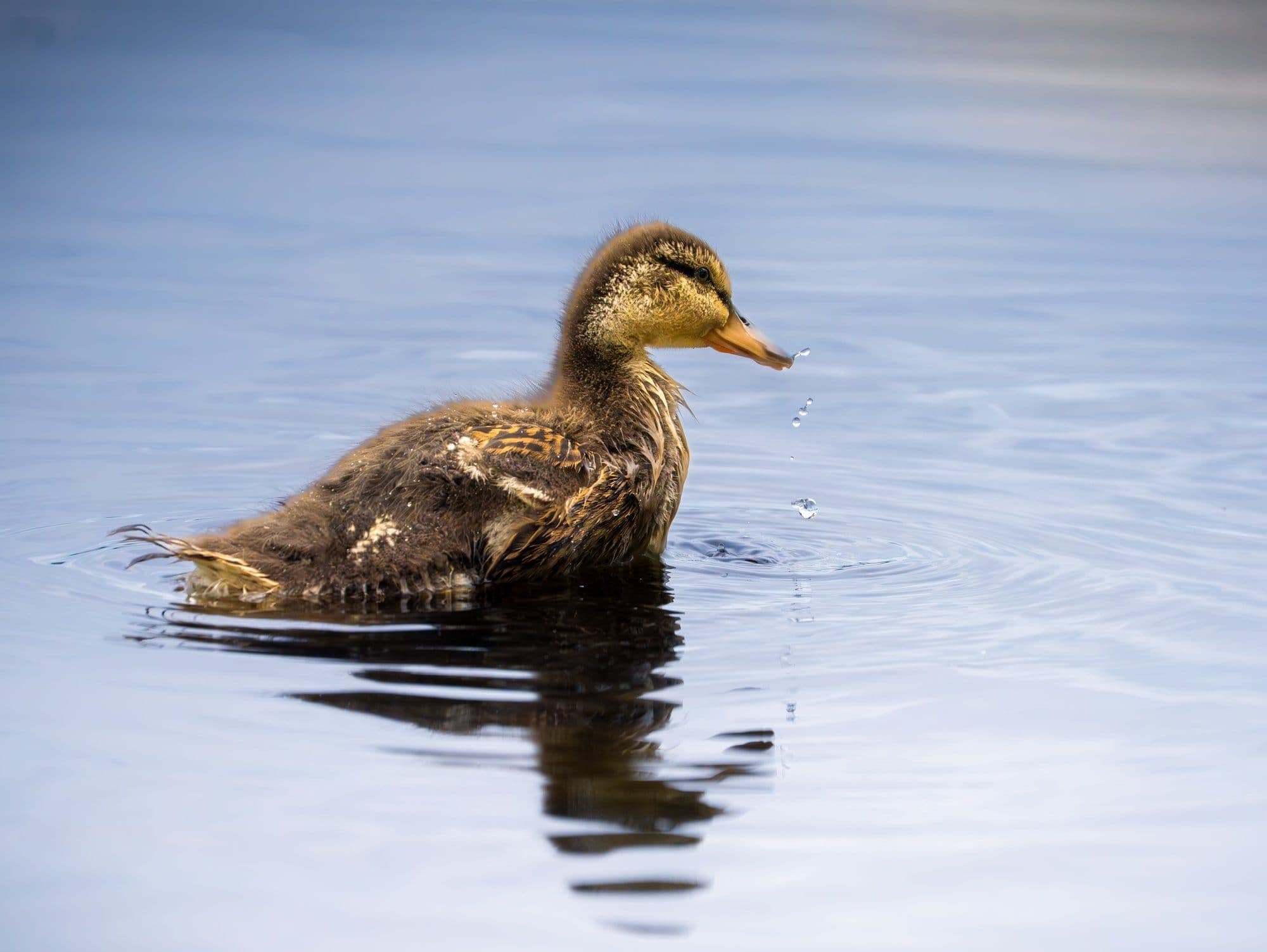
This is where the A7R V earns its place and also where its biggest weakness lives. The 61MP BSI CMOS sensor is genuinely outstanding for tonal subtlety, dynamic range and detail. Files have a depth and a richness to them that I notice immediately in post — particularly with feather texture, water reflections, and the kind of fine background detail that 50MP just doesn't quite resolve. The dynamic range gives you real latitude to recover shadow detail in dawn light, which is when most of my Pennington work happens.
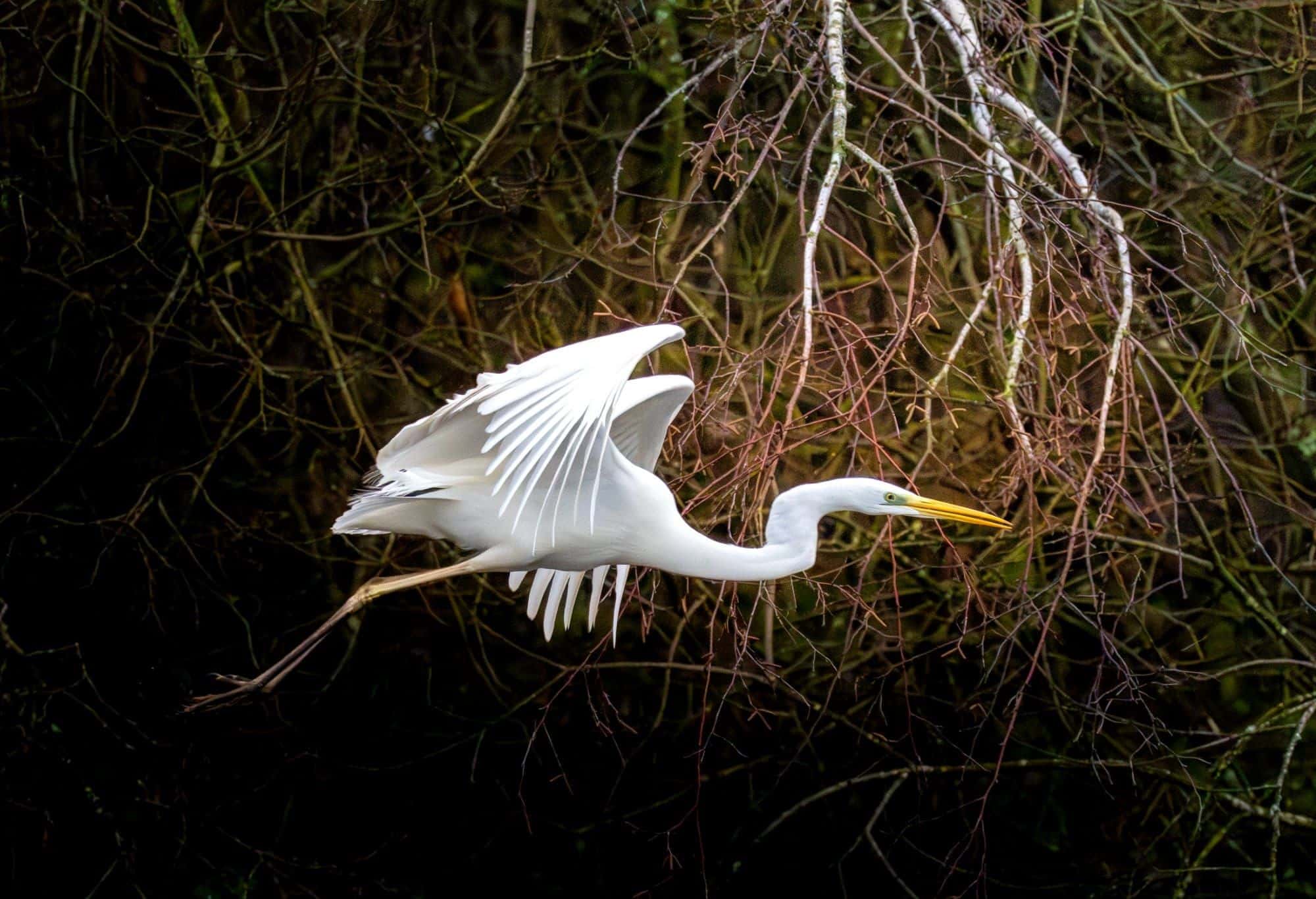
The compromise is that this sensor is not stacked. Unlike the A1, the A7R V's readout is comparatively slow, and that has direct consequences for how you can use it. Use the silent electronic shutter on a moving bird and you will get rolling shutter — banded sensor artefacts, banana-shaped wings on a flying mallard, distorted bills. For any wildlife with motion in it, the electronic shutter is essentially unusable.
The practical result is that you live on the mechanical shutter. And that brings a less-discussed problem: mechanical shutters wear out. Sony rate the A7R V's shutter at around 500,000 actuations, which sounds enormous until you do the maths on heavy burst use. Twenty bursts of two seconds at 10fps is 400 frames in a single morning. You'll get years of use out of it, but it's a hard-engineered limit that the A1 simply doesn't have, because the A1 can sit on its electronic shutter all day with no consequence. Any wildlife photographer who plans to use bursts heavily on an A7R V should factor in that, eventually, the shutter will need replacing.
In-Body Stabilisation
Sony quote eight stops of IBIS — a notable jump on paper from the A1's 5.5 stops. In real-world stills photography, I haven't noticed the difference. Wildlife at Pennington Flash tends to demand fast shutter speeds — 1/1000s and up for water birds, faster for landings and take-offs — and at those speeds you're rarely limited by camera shake. The IBIS works, but it's working against a problem I don't usually have.
Where it makes a clear difference is video. Handheld 4K video on the A7R V with the 200-600mm is markedly steadier than the same setup on the A1. For anyone using this camera for hybrid stills and video work, the IBIS is genuinely useful. For pure stills shooting at wildlife shutter speeds, it's a nice number on a spec sheet that doesn't earn its keep.
Files and Workflow
Sixty-one megapixels means files. An uncompressed A7R V RAW is roughly 120MB; even Sony's lossless compressed format gets you to around 60MB per frame. That has a real-world cost.
I shoot to Sony CFexpress Type A cards, which are designed for exactly this kind of throughput and never feel like the bottleneck. The bottleneck was, for me, my computer. On a powerful Windows desktop the camera's files were noticeably sluggish in Lightroom — slow to render, slow to export, perceptibly heavy to scrub through during culling. After I moved to a Mac Studio that completely went away. 61MP files now feel exactly the same to handle as 24MP files. The camera didn't change; the workflow around it did.
It's a useful warning for anyone considering the A7R V: budget for the supporting infrastructure honestly, because if your editing computer is older or marginal, the camera will feel slower than its specs suggest.
Build and Handling
Build quality is what you'd expect from a £3,999 Sony Alpha — magnesium alloy, weather-sealed, dual CFexpress Type A / SD card slots, the same broadly excellent ergonomics as the rest of the A7 line. The 9.44M-dot EVF is the same panel found in the A1, and the variable-angle rear screen is more useful for wildlife than the tilting screen on the A1 — you can flip it out for low-angle shots of ducklings or plovers at the water's edge without lying flat in the mud.
If you already shoot Sony, the controls fall to hand immediately. There's no learning curve switching between this and the A1.
The Bottom Line
The honest conclusion is one most reviews don't reach: the Sony A7R V is not the right camera if your priority is wildlife. There are better wildlife cameras available for less money. The A7 IV at £2,399 is more capable for action with its 33MP sensor and the same AI focus generation. The A1, used, is comprehensively better at everything wildlife photography demands. The A9 III, with its global shutter, eliminates the rolling-shutter problem entirely.
What the A7R V is, instead, is an outstanding portrait, landscape and detail camera that also happens to be capable enough at wildlife to use seriously. For static subjects, for big-print work, for hybrid wildlife and landscape photographers who don't want to carry two completely different systems, it earns its keep. As a complement to an A1 — used specifically for the work where detail matters more than speed — it's exactly the camera I want it to be.
Four stars rather than five, because for the wildlife-first audience this site is written for, the value-for-money case isn't quite there. But for anyone who reads this site for the photography rather than just the kit list, it's a genuinely lovely tool.
Tested at Pennington Flash with the Sony 200-600mm.
Pros & Cons
What I Like
What Frustrates Me
Specifications
Sample Images
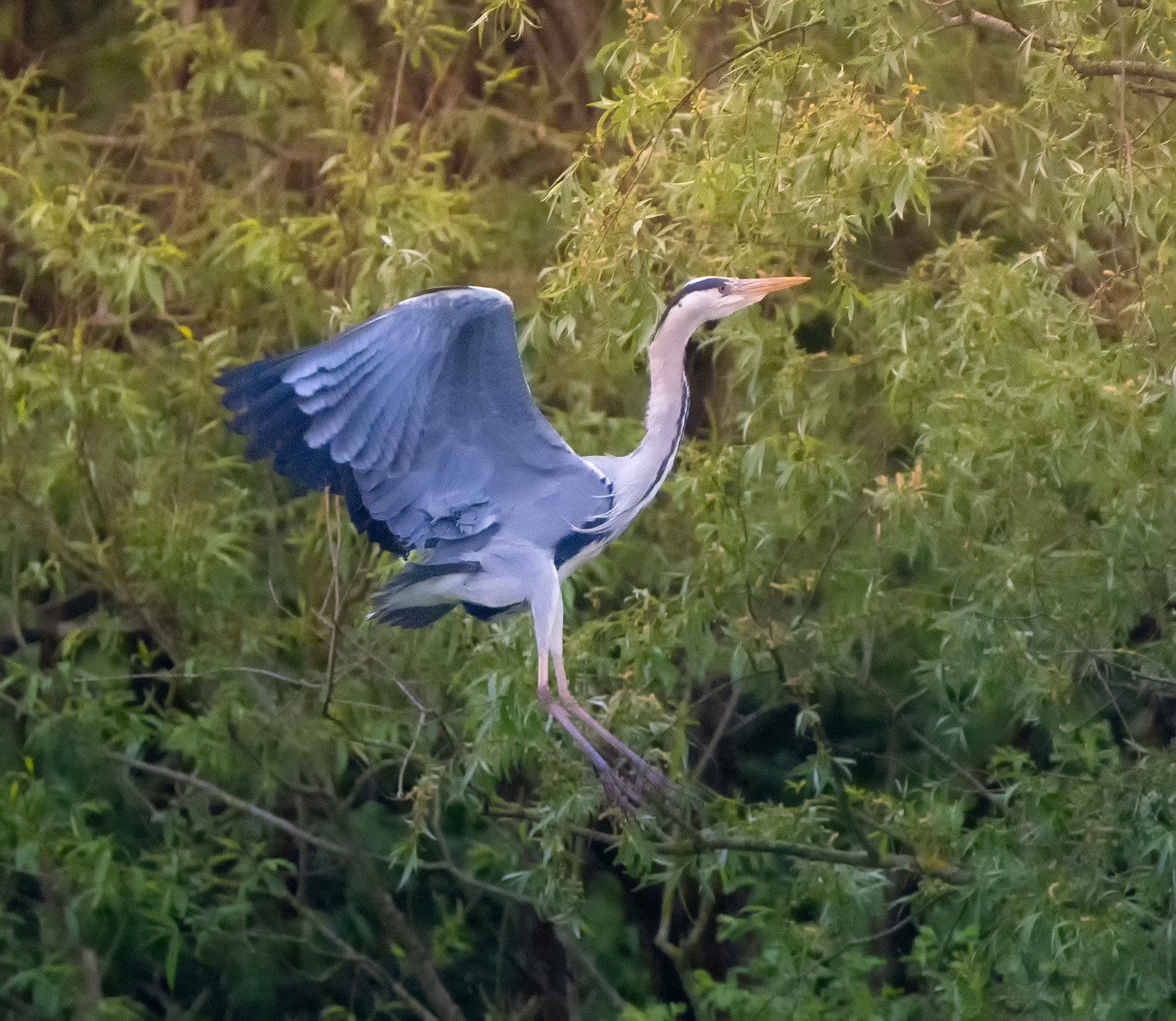
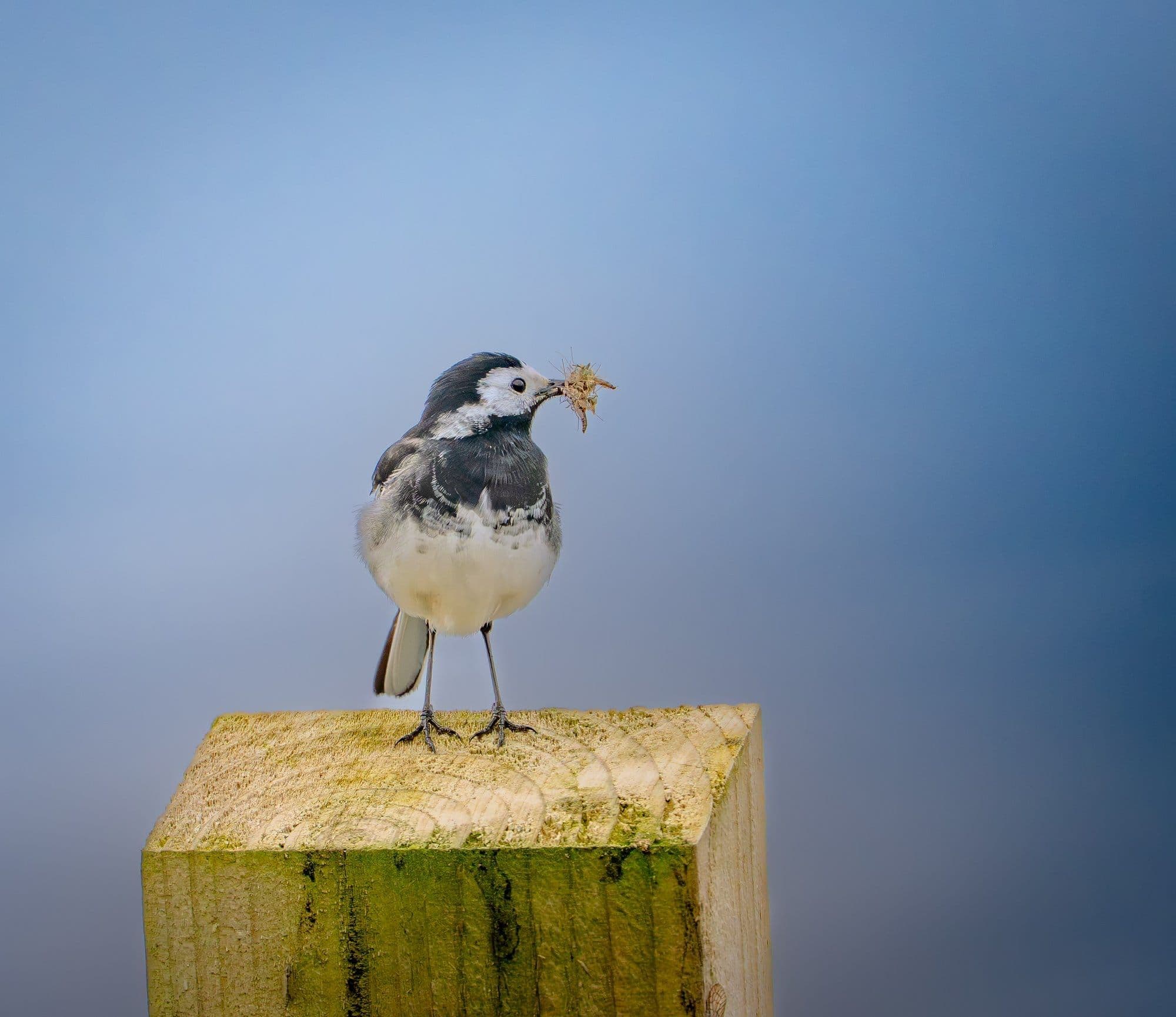
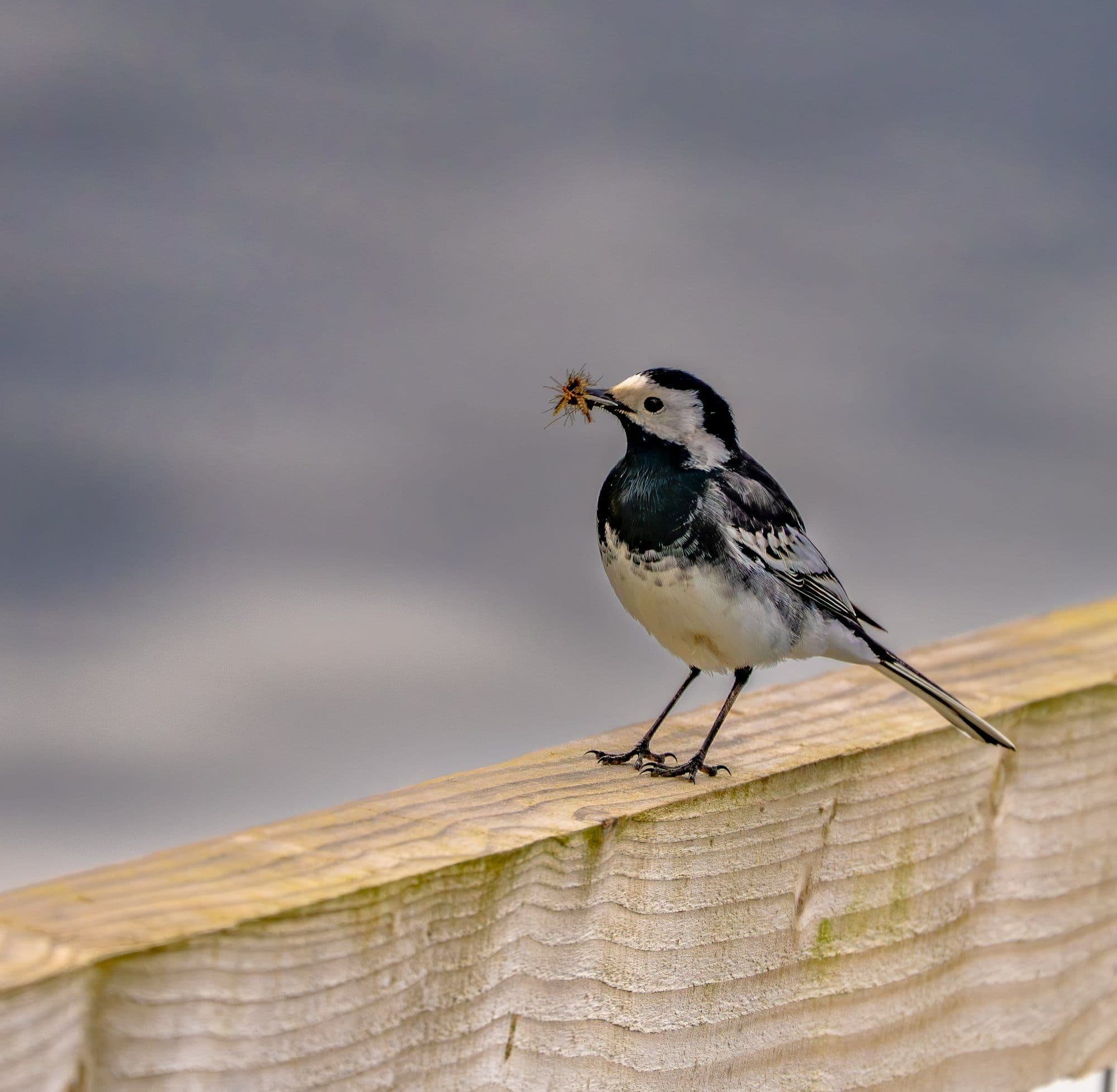
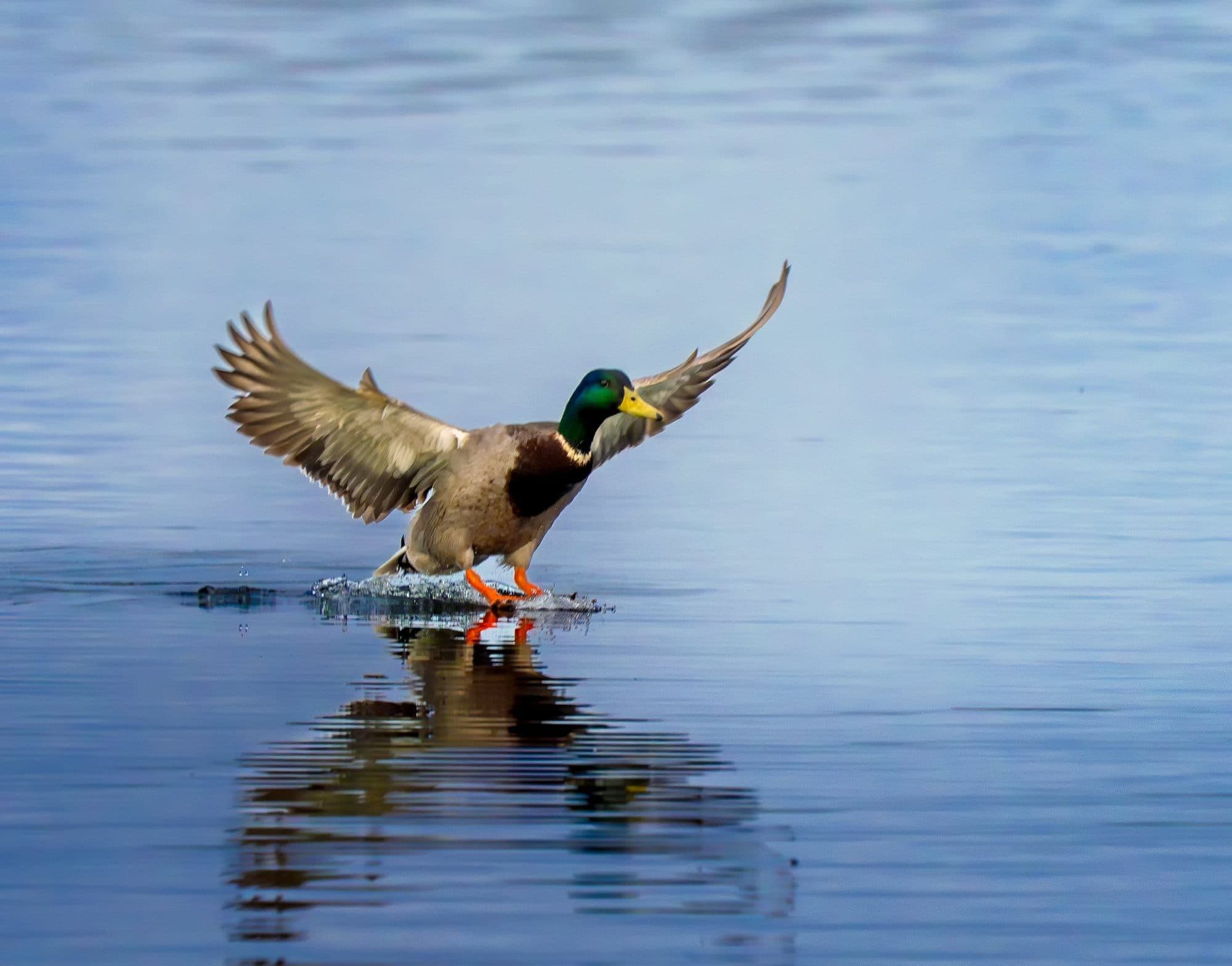
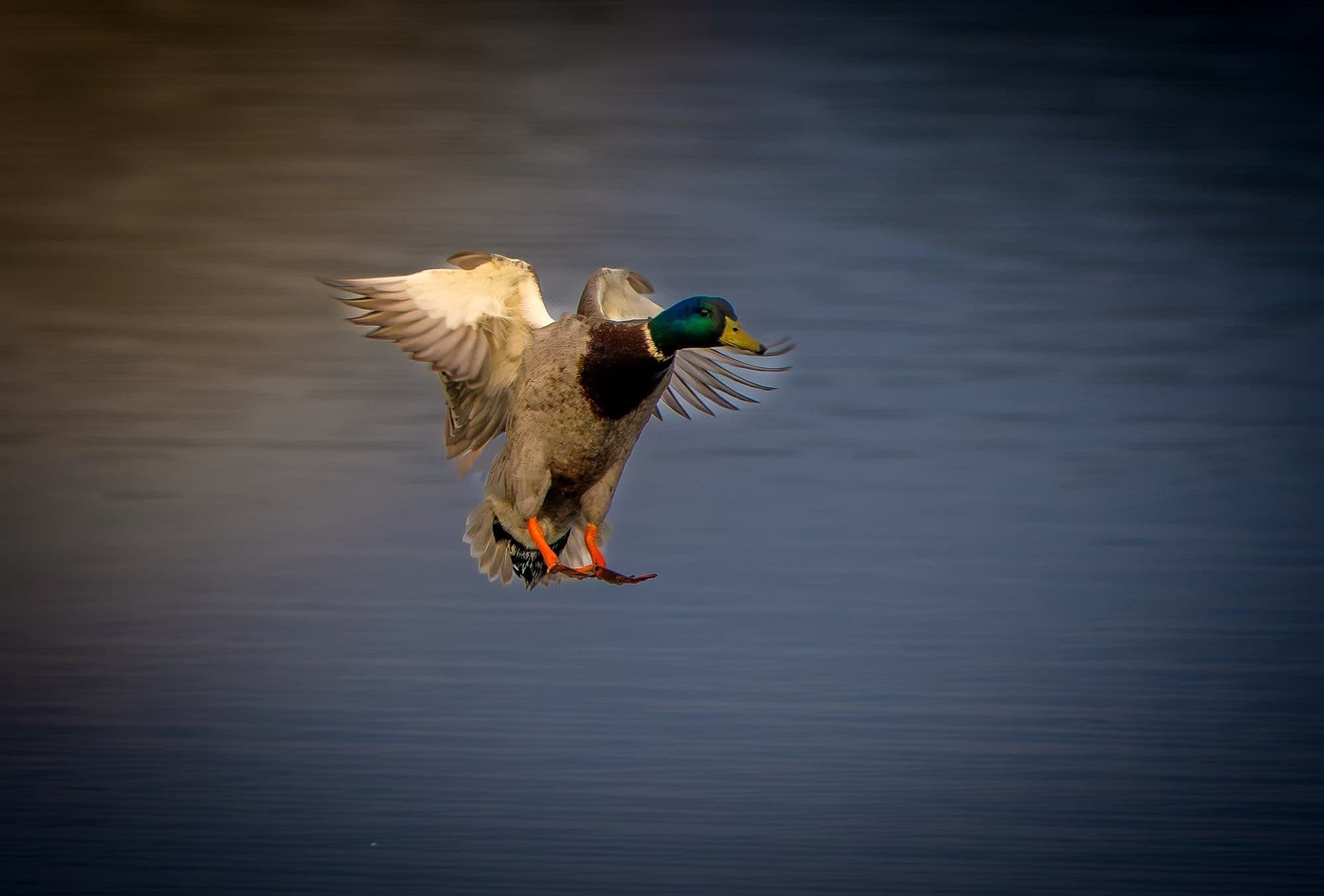
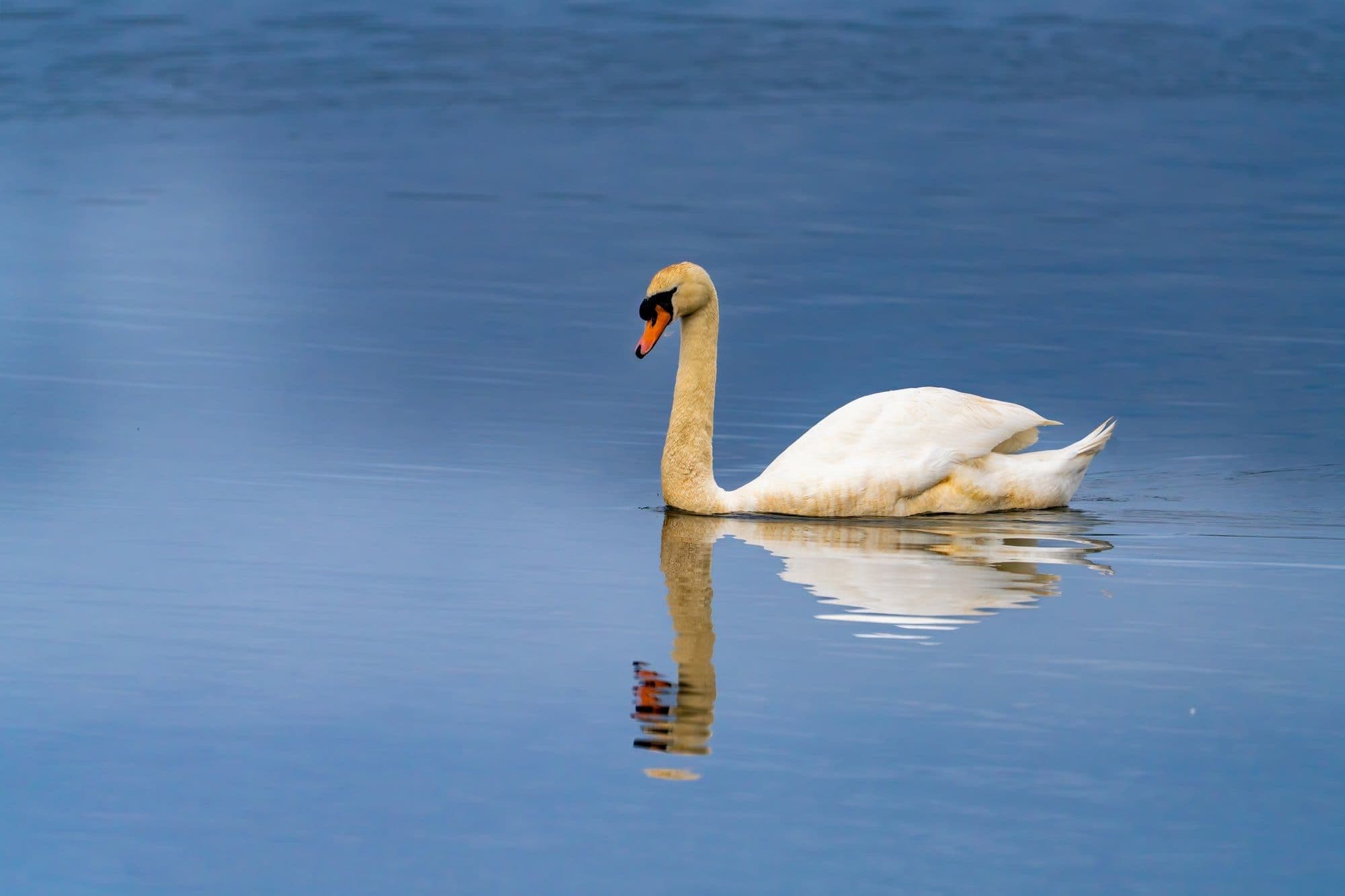
More Wildlife Photography Equipment Reviews
Comparing options? Read my other field reviews: Sony A1 wildlife review, Sony A6700 wildlife review, OM System OM-1 Mark II wildlife review, Sony FE 200-600mm f/5.6-6.3 G OSS wildlife review, Sigma 500mm f/5.6 DG DN OS Sports wildlife review, OM System M.Zuiko 300mm f/4 IS Pro wildlife review and OM System M.Zuiko 50-200mm f/2.8 IS Pro wildlife review.
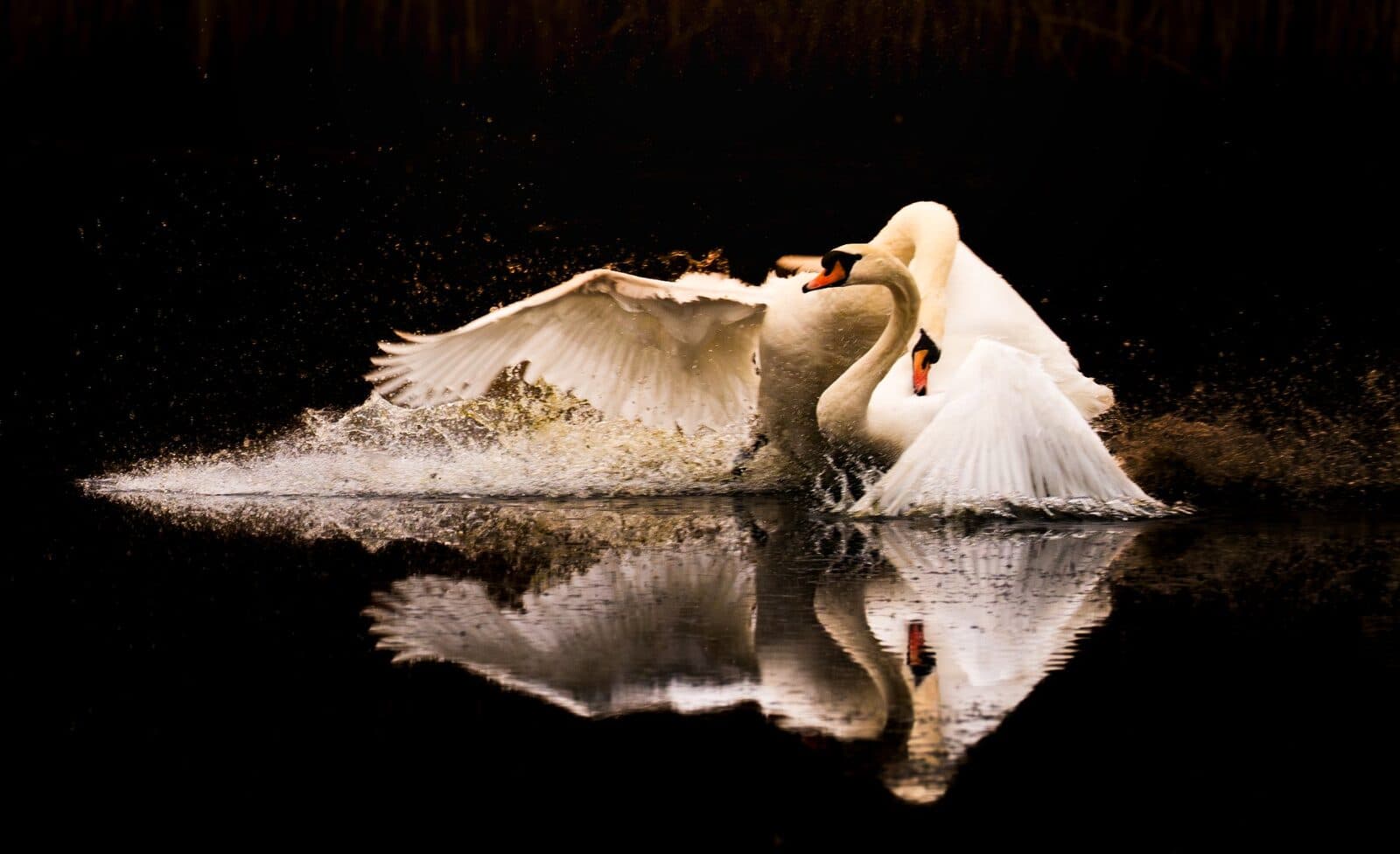
Sony A1
The best camera I've ever owned. The Sony A1's bird eye detection autofocus is in a class of its own for wildlife photography, and the 50MP sensor gives you the resolution to crop heavily and still produce stunning prints. Five years on, it still does everything I need.
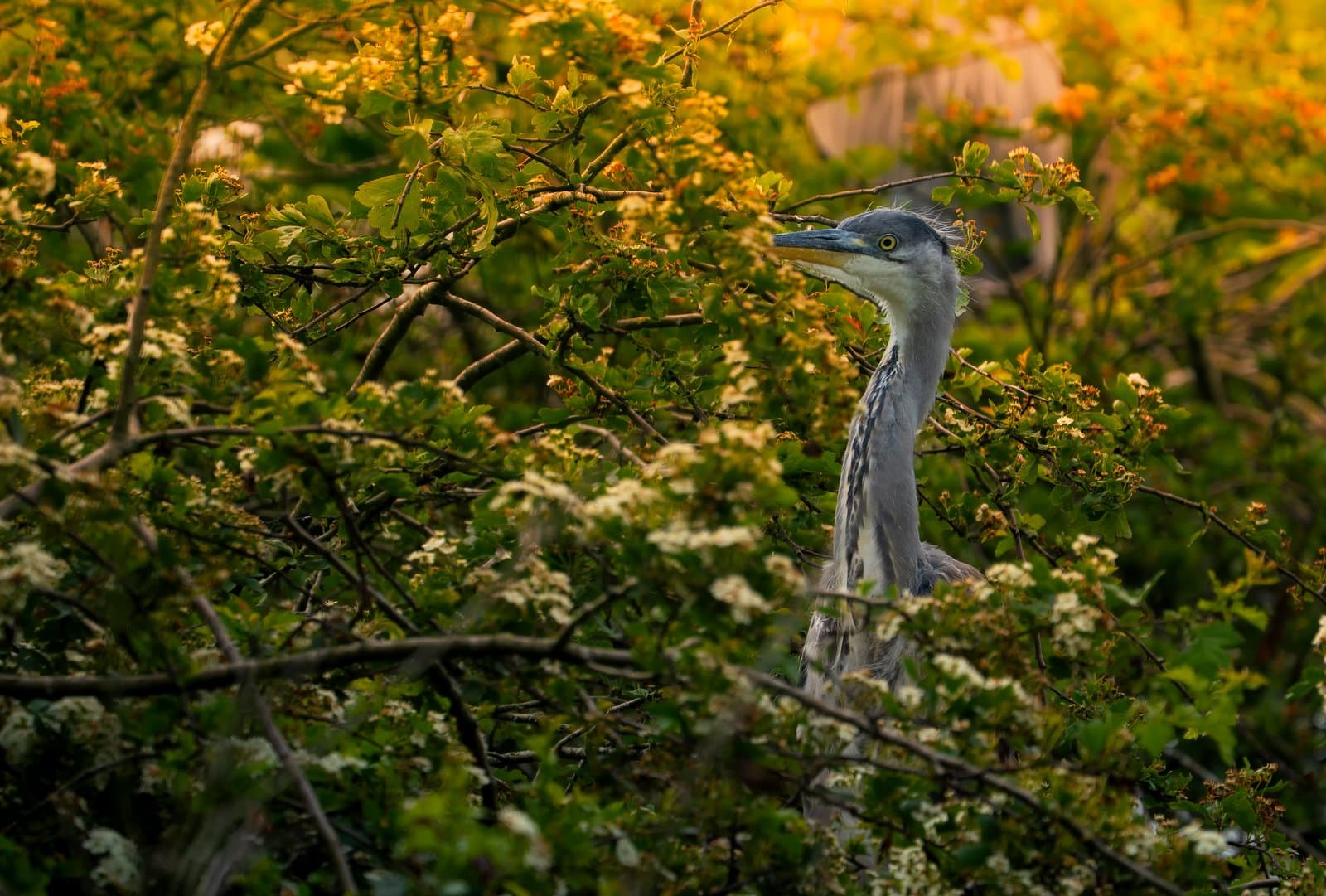
Sony A6700
The Sony A6700 is a compact APS-C body with the same AI autofocus chip as the A7R V, a 1.5× crop factor that turns the 200-600mm into a 300-900mm equivalent, and exceptional video AF. It is the camera I should have started with — light enough to carry anywhere, capable enough for everything except flagship-class action and harsh-weather work.
OM System OM-1 Mark II
After twelve months of ownership — and several years of OM and Olympus bodies before it — the OM-1 Mark II is the camera I'd keep if I could only keep one camera system. Lighter than my Sony kit, completely weather sealed, and with autofocus on par with the A1, it covers wildlife stills, wildlife video, landscape and street photography in one body.
Sony FE 200-600mm f/5.6-6.3 G OSS
Outstanding super-telephoto zoom with internal zoom design and excellent sharpness throughout the range. After eighteen months of wildlife shooting on Sony bodies, this is still the lens I'd recommend to anyone — beginner, enthusiast or working pro — buying their first serious wildlife setup.
Sigma 500mm f/5.6 DG DN OS Sports
A 500mm prime that has largely replaced my Sony 200-600mm thanks to its remarkable portability, but the 3.2m minimum focus distance, lack of teleconverter support on Sony, and 15fps burst cap hold it back from perfection.
OM System M.Zuiko 300mm f/4 IS Pro
600mm-equivalent f/4 reach in a sub-1.3kg package. AF that locks on through branches where Sony and Sigma rivals struggle, 1.4m close focus that handles dragonflies and reed buntings on the same trip, and Sync IS for handheld work in any weather.
OM System M.Zuiko 50-200mm f/2.8 IS Pro
A constant-f/2.8, 100-400mm-equivalent wildlife zoom that combines fast bird-in-flight autofocus, internal zoom handling and 0.78m close focus in a 1,075g lens. Expensive, but unusually capable as a single handheld lens for birds, larger wildlife and low-light work.