OM System OM-1 Mark II for Wildlife Photography
After twelve months of ownership — and several years of OM and Olympus bodies before it — the OM-1 Mark II is the camera I'd keep if I could only keep one camera system. Lighter than my Sony kit, completely weather sealed, and with autofocus on par with the A1, it covers wildlife stills, wildlife video, landscape and street photography in one body.
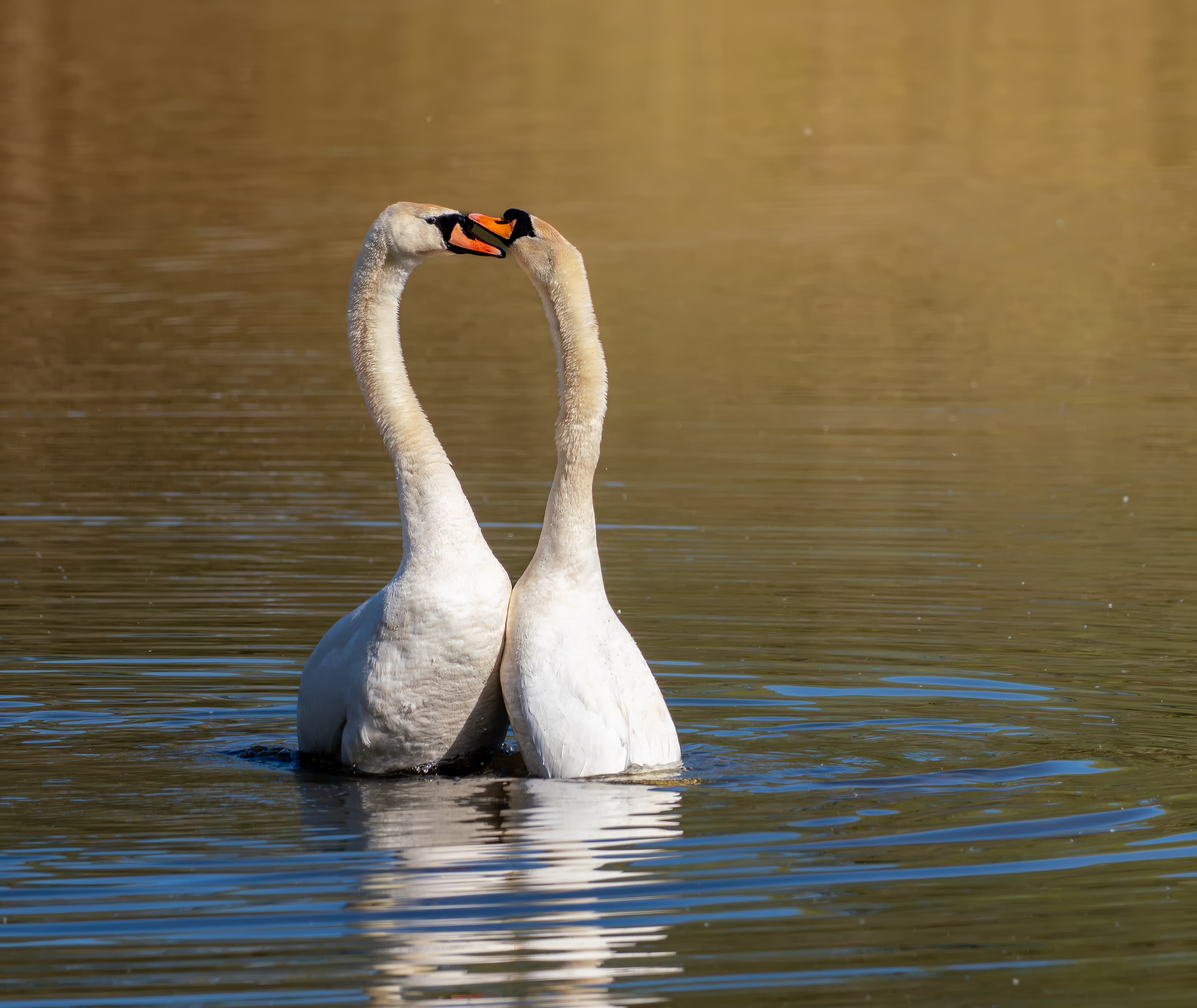
The OM System OM-1 Mark II is the camera I'd keep if I could only keep one camera system — and that is saying something, because I shoot wildlife on a Sony A1 with the 200-600mm and the Sigma 500mm. Lighter than the Sony kit, completely weather sealed, and capable of autofocus performance on par with my A1, the OM-1 II earns its place across three disciplines I care about: wildlife stills, wildlife video, and landscape. After twelve months of ownership — and several years of OM and Olympus bodies before it — the answer to "is it worth it" is straightforward. Yes.
Why I Bought It
I came to the OM-1 Mark II already comfortable with the Micro Four Thirds format. I have owned two of the original OM-1s and an OM-D E-M1 Mark III, so the system, the menus, and the philosophy were all familiar. I wasn't a Sony shooter dabbling in MFT — I was already an OM and Olympus shooter who'd been working in the format for years.
The trigger was Andy Rouse. I did a camera course with him at the time when he was using the OM-1, and the simple logic of "if it is good enough for Andy Rouse, it is good enough for me" was enough. I bought my first one used from MPB and never looked back. The Mark II followed naturally — the stacked sensor, the read speeds, and the AF improvements were enough to upgrade.
The technical hook was the stacked sensor. Read speeds on the OM-1 family are exceptional, and that translates directly into the burst performance that matters for wildlife: 120 frames per second flat out, 60 frames per second with continuous AF tracking. That is the practical figure. Sixty frames per second with AF is enough to capture anything that moves.
Build, Weather Sealing & Handling
The OM-1 II body has a nice hand grip, and it is smaller than my A1. With the 300mm f/4 IS Pro mounted, the whole package is much smaller than the A1 paired with the 200-600mm — and yet the 2x crop factor delivers the same 600mm full-frame equivalent reach. That is the maths that makes Micro Four Thirds compelling for wildlife photography, and it is the maths that brought me to the system in the first place.
The menu system is easy to use, despite the camera having a deep set of features. There is pixel shift, which can produce 25, 50, or 80 megapixel images by stacking exposures — but it only works on static subjects with no background movement. For wildlife, where everything is moving, it is not really useful. I mention this only because most reviews list pixel shift as a feature; for what I do, it is not relevant.
What is relevant — and what does not get said often enough — is the weather sealing. The OM-1 II is completely weather sealed. I have had it out in downpours and have had no issues at all. For UK nature reserve work, where the rain shows up unannounced and the gear gets wet whether you like it or not, this matters more than people give it credit for.
The 300mm f/4 Stays On
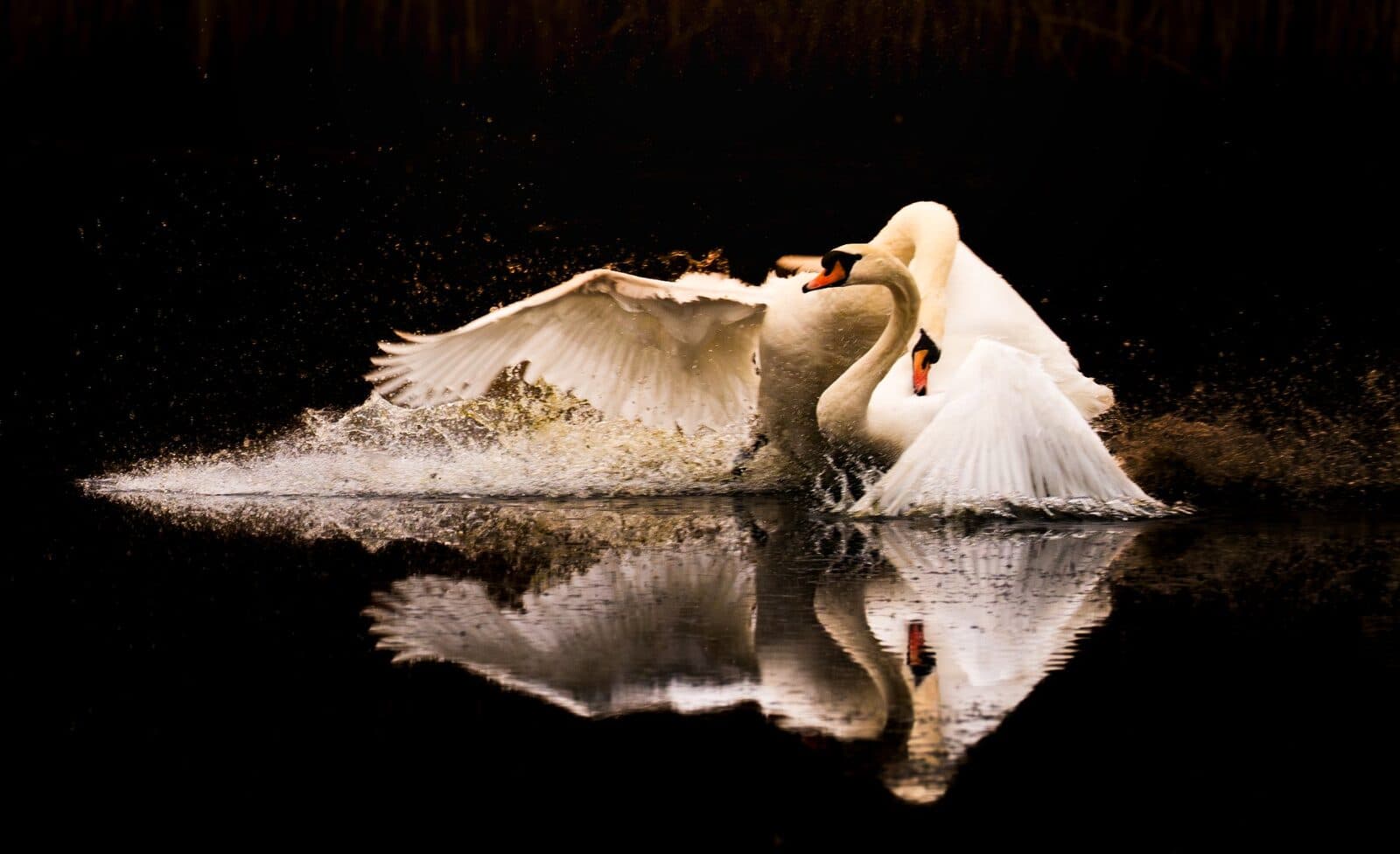
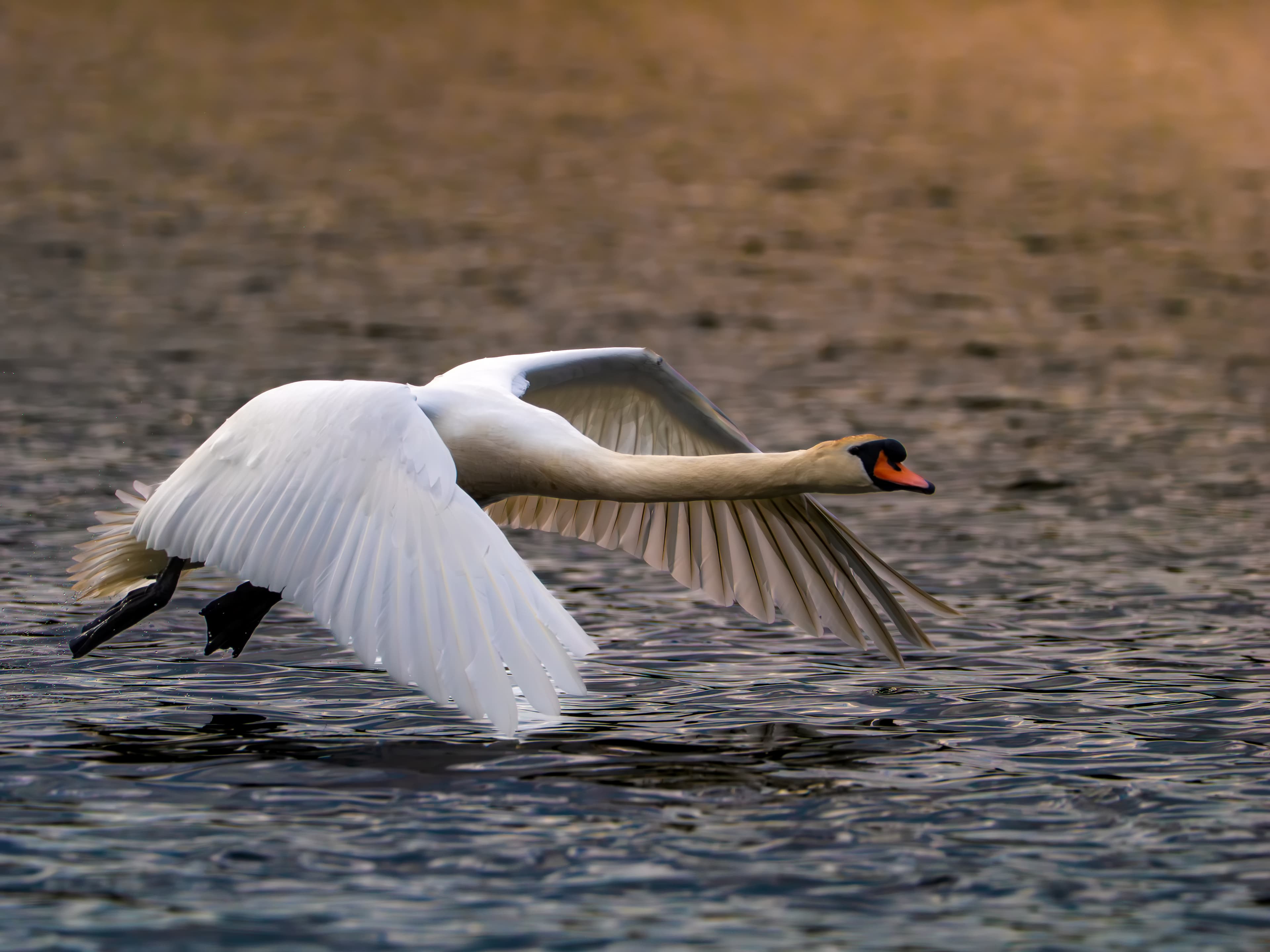
The M.Zuiko 300mm f/4 IS Pro lives on the OM-1 II permanently. It is the lens that makes the body what it is — a 600mm full-frame equivalent f/4 setup at a fraction of the weight and cost of any full-frame 600mm f/4. The lens focuses extremely close, which means the same kit covers everything from dragonflies in summer to mute swans on the water at Pennington Flash and Martin Mere. The versatility is rare for a long lens.
I add reach with the 1.4x teleconverter, which produces excellent sharp images and effectively turns the setup into an 840mm full-frame equivalent. I own the 2x teleconverter as well, but I rarely use it — partly because it affects image quality, and partly because I rarely need 1200mm full-frame equivalent reach. The 1.4x lives in the bag and gets called on regularly; the 2x stays at home.
Autofocus & The Stacked Sensor
The autofocus is excellent, and the AI subject detection was improved on the Mark II — but to be honest, it was already good enough on the original OM-1. There were complaints online about the Mark I's AF; I never had any issues with it.
The hit rate, paired with the 300mm f/4, is on par with my Sony A1. That is a meaningful claim. The A1 is the best autofocus camera I have used for wildlife, and the OM-1 II is right alongside it on perched birds, birds in flight, and the chaotic bursts of action you get at the hides.
The one place full-frame still wins is low light. You can get more light into a full-frame sensor, and there is no getting around the physics of that. Early mornings in winter at Leighton Moss or Pennington Flash, before the light has properly come up, the A1 has the edge. I accept that trade-off for everything else the OM-1 II offers.
Pro Capture — For Small Birds, Not Big Ones
Pro Capture has been available since the OM-D E-M days, and I have been using it for years. What it does — half-press the shutter and the camera silently buffers up to 70 frames; full-press and you keep them — is genuinely useful, but not always for the subjects people assume.
I generally use Pro Capture on smaller birds. Robins, woodpeckers, the close-feeder species you find in hides at Pennington Flash and Martin Mere. Anticipating a robin's flick off a feeder by reflex is impossible, and the 60 frames per second of the buffered burst means you do not miss a thing.
For larger, more predictable subjects — swans coming in to land, kestrels working the meadow — I am more likely to shoot conventionally because I can see the moment coming. But for the small, erratic birds I most want to photograph in close-quarters hides, Pro Capture is the difference between getting the shot and watching it leave.
Sync IS — Two Seconds Handheld
The 5-axis IBIS is rated up to 8.5 stops with compatible lenses, and that is not marketing. I can shoot at shutter speeds down to two seconds handheld and pull sharp frames out of the burst. Not many cameras can achieve that.
For early-morning hide work, slow-water shots, or any situation where light is marginal and a tripod is awkward, this is meaningful. Two seconds handheld is well past the point where any other system I own can deliver. The IS in this body is genuinely class-leading.
Wildlife Video
The OM-1 II also does wildlife video, and that is a use case most reviews skip past. I use it for short clips for social — kingfishers, robins, swans in flight — and the in-body and in-lens stabilisation make handheld video look smooth in a way that is surprising for a camera that is not sold as a video specialist.
There is no reason it could not be used for documentary work. As my editing skills grow, I intend to integrate video more deeply into my workflow. The footage straight out of camera is excellent, and the IS does the heavy lifting that would otherwise need a gimbal.
Landscape & Street With the Same Body
The OM-1 II is also my landscape camera. Paired with the M.Zuiko 8-25mm f/4 Pro, it covers everything from wide environmental shots at the reserves to proper landscape work. Same body, same weather sealing, same robustness in any conditions — just a different lens. The flexibility of one body across wildlife, video, and landscape is part of why this system makes sense.
I use it for street photography too. The combination of small body, light glass, and superb image stabilisation makes it the kind of camera you actually want to take out for a walk.
OM-1 II vs Sony A1 — I Take Both
The honest answer to "which body do I take" is: both. I always carry two. The OM-1 II isn't a replacement for the A1 and I don't pretend it is. The two cameras do different jobs at the reserves. The A1 owns low-light shooting and the highest-resolution stills. The OM-1 II owns wildlife video, slow-shutter handheld work, and the lighter walk-around setup with the 300mm f/4 mounted.
For someone choosing between the two as a single body, the answer depends on the shooting. For someone who can afford to own both, you do not have to choose.
(See my full Sony A1 review for the other half of this comparison.)
The 20MP Question
The 20MP sensor draws the most criticism in online discussion, and the honest answer is that it does not limit my photography. I own cameras with 50 and 60 megapixels, and I am well aware of the file sizes that come with them. Big files slow the sensor down. If they increased the OM-1 II's sensor to match the high-resolution full-frame bodies, it would either slow the camera down or make it more expensive. There are trade-offs in all cameras.
For prints, web, and the cropping I actually do, 20MP is enough. I am not going to pretend it would never be useful to have more — but it has never been the bottleneck.
The Honest Cons
There are two.
The first is the low light limitation already mentioned. ISO 6400 is workable, but the A1 retains a noticeable advantage above that. If you shoot indoors, at events, or in heavily shaded conditions, full-frame is still the better tool.
The second is UK pricing. The OM-1 Mark II can be bought as a grey import for around £1,100. UK retailers sell the same camera for around £2,100. The same pattern applies to the lenses. That is frustrating, and it is worth knowing if you are considering this system in the UK — buying directly from a high-street retailer at full UK price is twice what the camera actually costs elsewhere.
There is nothing else about the camera itself that I would change.
Who Is This For?
I would recommend it to everyone. It is an incredible camera, and if you are willing to learn all the functions, it is amazing.
The argument that does not get made often enough is the longevity one. As you get older, the weight of professional full-frame kit becomes a real factor — and the OM System cameras and lenses are genuinely lighter. The 300mm f/4 IS Pro is half the weight of an equivalent full-frame super-telephoto. For a working photographer who wants to keep shooting into the next decade, that matters.
For wildlife photographers, landscape photographers, video shooters, street photographers — this camera covers all of it. There isn't a use case I would actively warn someone off.
The Bottom Line
If I could only keep one camera system, it would be this one.
I shoot wildlife on the Sony A1 with the 200-600mm and the Sigma 500mm. I own a Sony A7R V. I own multiple OM bodies. And the camera I would keep if I had to choose — the camera that has the breadth of capability, the weather sealing, the IS, and the right balance of everything I need across wildlife, landscape, video, and street — is the OM-1 Mark II.
Twelve months in, full marks. No reason not to buy it.
Tested at Pennington Flash, Martin Mere and across UK reserves with the M.Zuiko 300mm f/4 IS Pro, M.Zuiko 8-25mm f/4 Pro, and the 1.4x teleconverter.
Pros & Cons
What I Like
What Frustrates Me
Locations Where I Use This
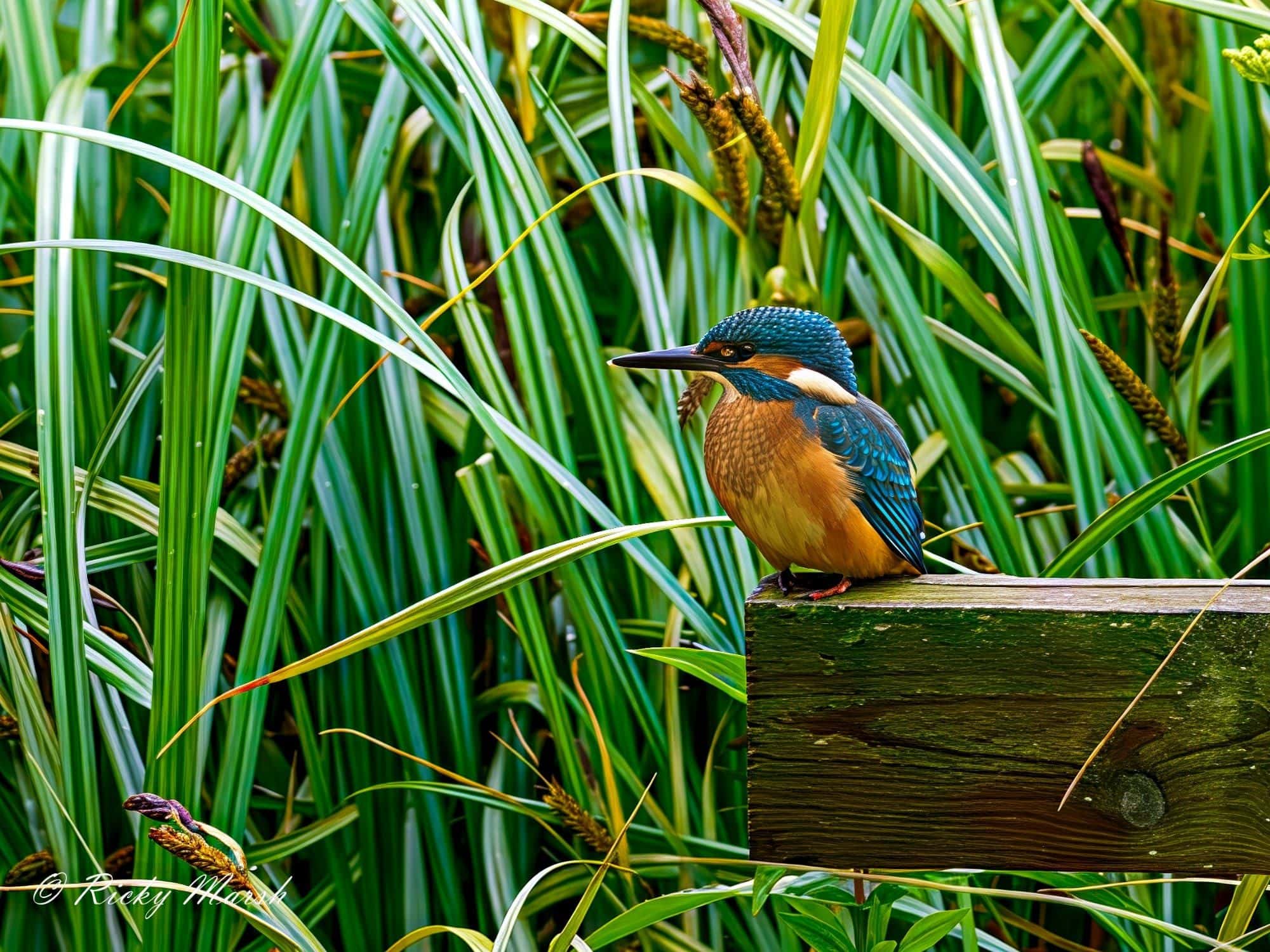
WWT Martin Mere
A wetland paradise that hosts thousands of wintering wildfowl including whooper swans, pink-footed geese, and various duck species. Excellent facilities and hides make this accessible to all.
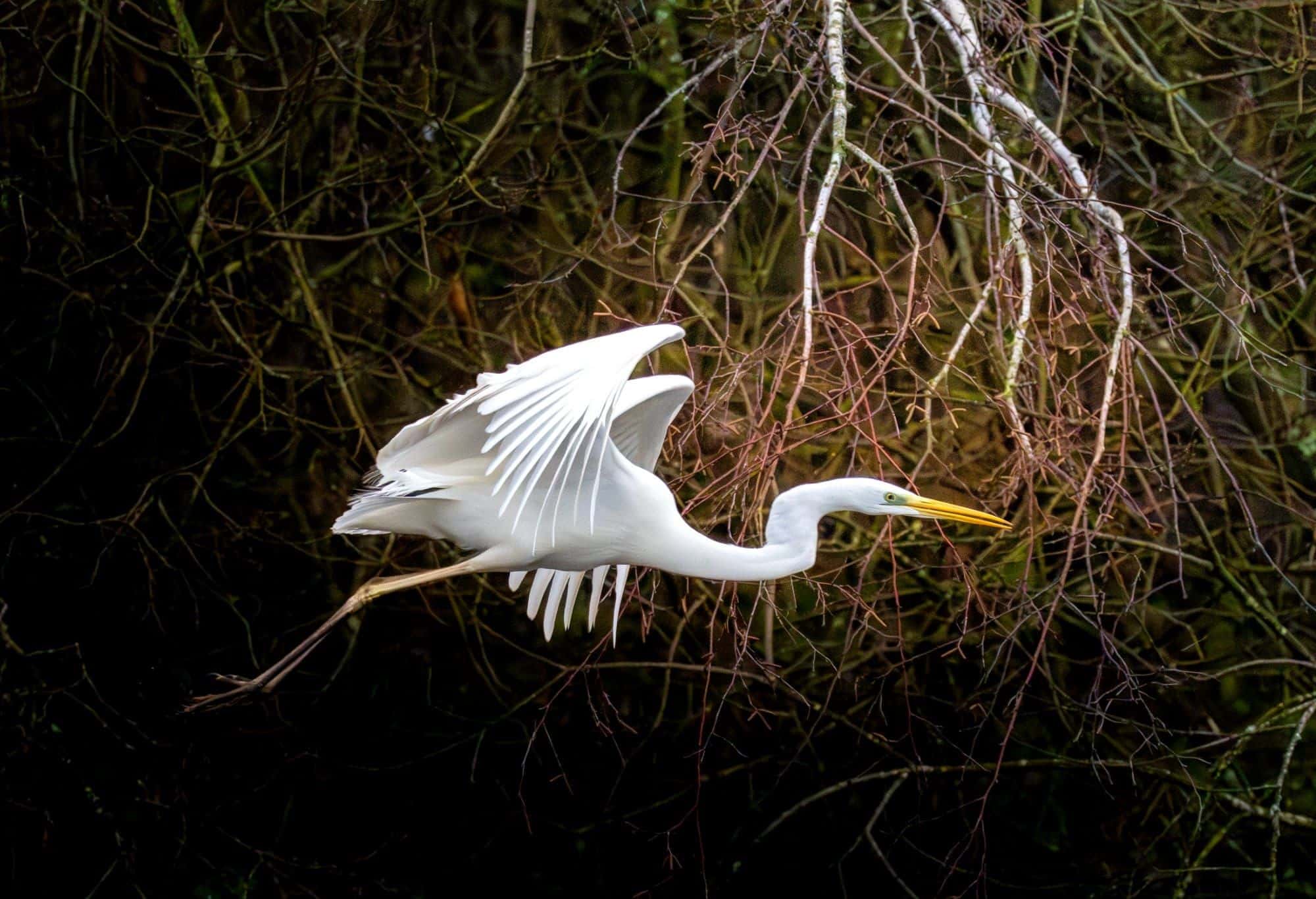
Pennington Flash Country Park
A former mining subsidence that has transformed into one of the North West's premier birdwatching sites. The flash and surrounding habitats attract a wide variety of wildfowl, waders, and woodland birds throughout the year.
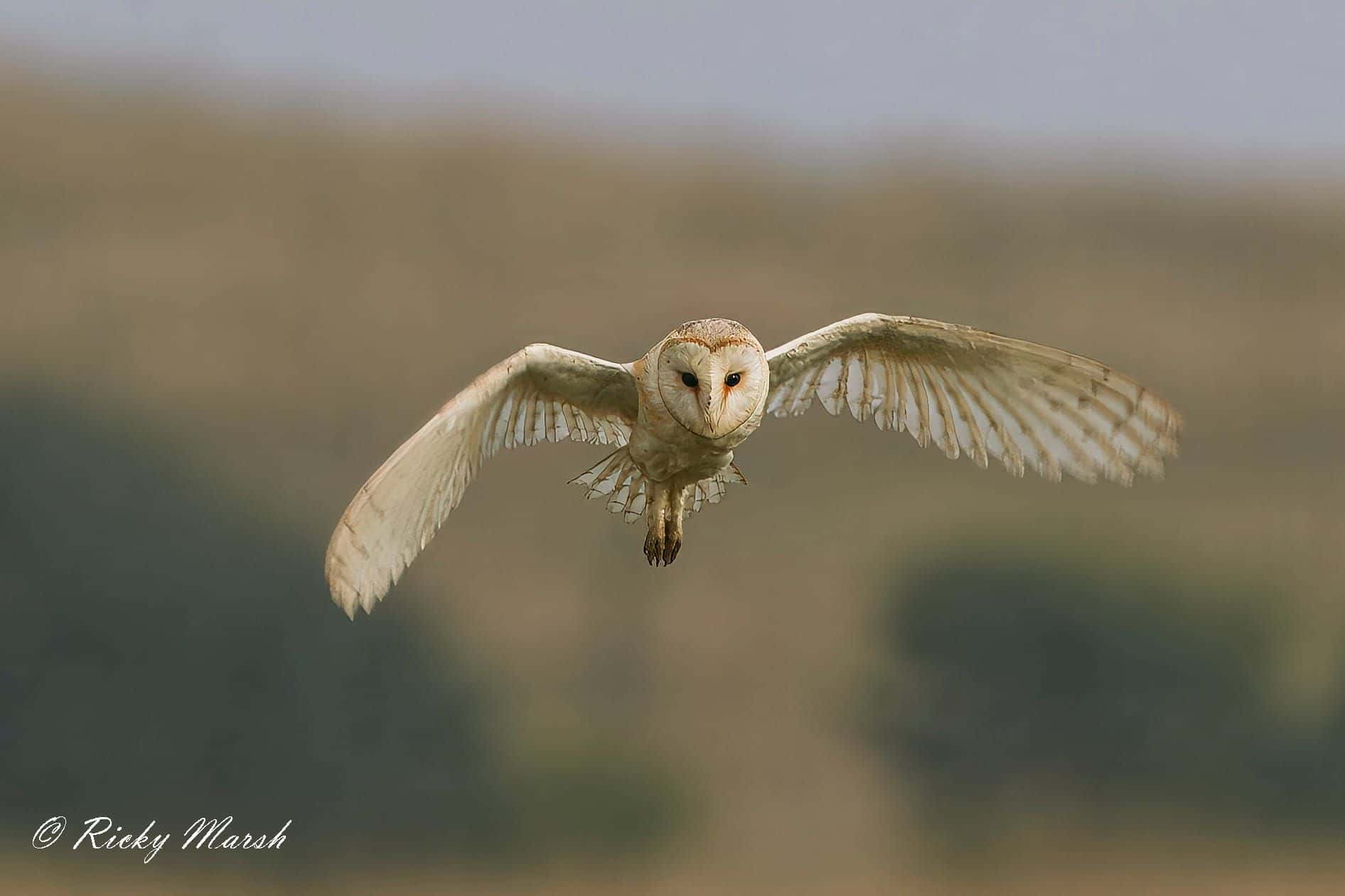
RSPB Bempton Cliffs
Home to the largest mainland gannetry in the UK and one of England's most accessible puffin colonies, RSPB Bempton Cliffs offers spectacular seabird photography from fenced clifftop viewpoints. Barn owls hunt the rough fields around the visitor centre at dawn — a quiet bonus for early arrivers.
Specifications
More Wildlife Photography Equipment Reviews
Comparing options? Read my other field reviews: Sony A1 wildlife review, Sony A7R V wildlife review, Sony A6700 wildlife review, Sony FE 200-600mm f/5.6-6.3 G OSS wildlife review, Sigma 500mm f/5.6 DG DN OS Sports wildlife review, OM System M.Zuiko 300mm f/4 IS Pro wildlife review and OM System M.Zuiko 50-200mm f/2.8 IS Pro wildlife review.
Sony A1
The best camera I've ever owned. The Sony A1's bird eye detection autofocus is in a class of its own for wildlife photography, and the 50MP sensor gives you the resolution to crop heavily and still produce stunning prints. Five years on, it still does everything I need.
Sony A7R V
An outstanding portrait, landscape and detail camera that also handles wildlife when speed isn't the priority. The 61MP sensor gives extraordinary cropping reach with the 200-600mm, but the non-stacked sensor and rolling shutter make this a complement to an A1 rather than a replacement.
Sony A6700
The Sony A6700 is a compact APS-C body with the same AI autofocus chip as the A7R V, a 1.5× crop factor that turns the 200-600mm into a 300-900mm equivalent, and exceptional video AF. It is the camera I should have started with — light enough to carry anywhere, capable enough for everything except flagship-class action and harsh-weather work.
Sony FE 200-600mm f/5.6-6.3 G OSS
Outstanding super-telephoto zoom with internal zoom design and excellent sharpness throughout the range. After eighteen months of wildlife shooting on Sony bodies, this is still the lens I'd recommend to anyone — beginner, enthusiast or working pro — buying their first serious wildlife setup.
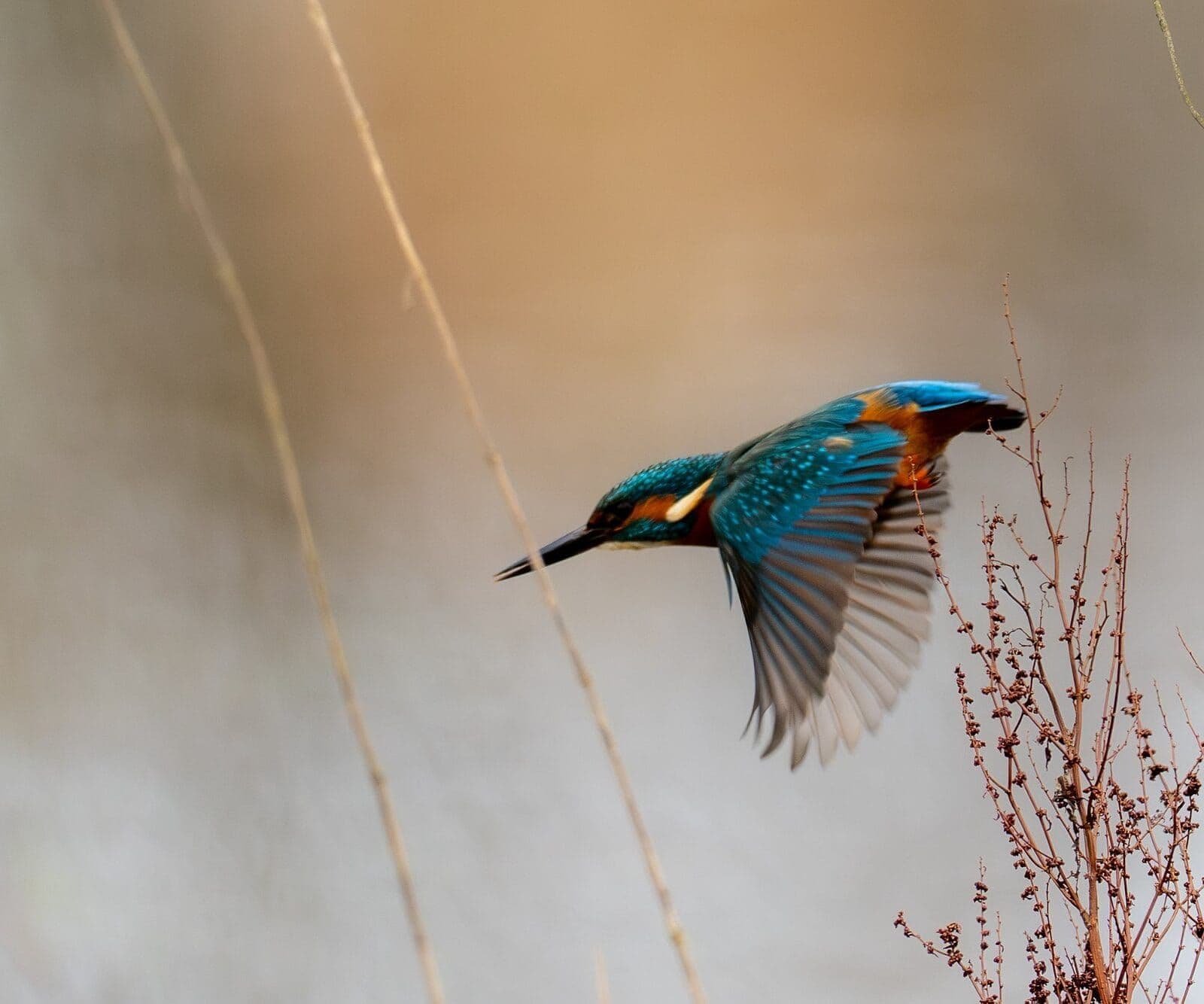
Sigma 500mm f/5.6 DG DN OS Sports
A 500mm prime that has largely replaced my Sony 200-600mm thanks to its remarkable portability, but the 3.2m minimum focus distance, lack of teleconverter support on Sony, and 15fps burst cap hold it back from perfection.
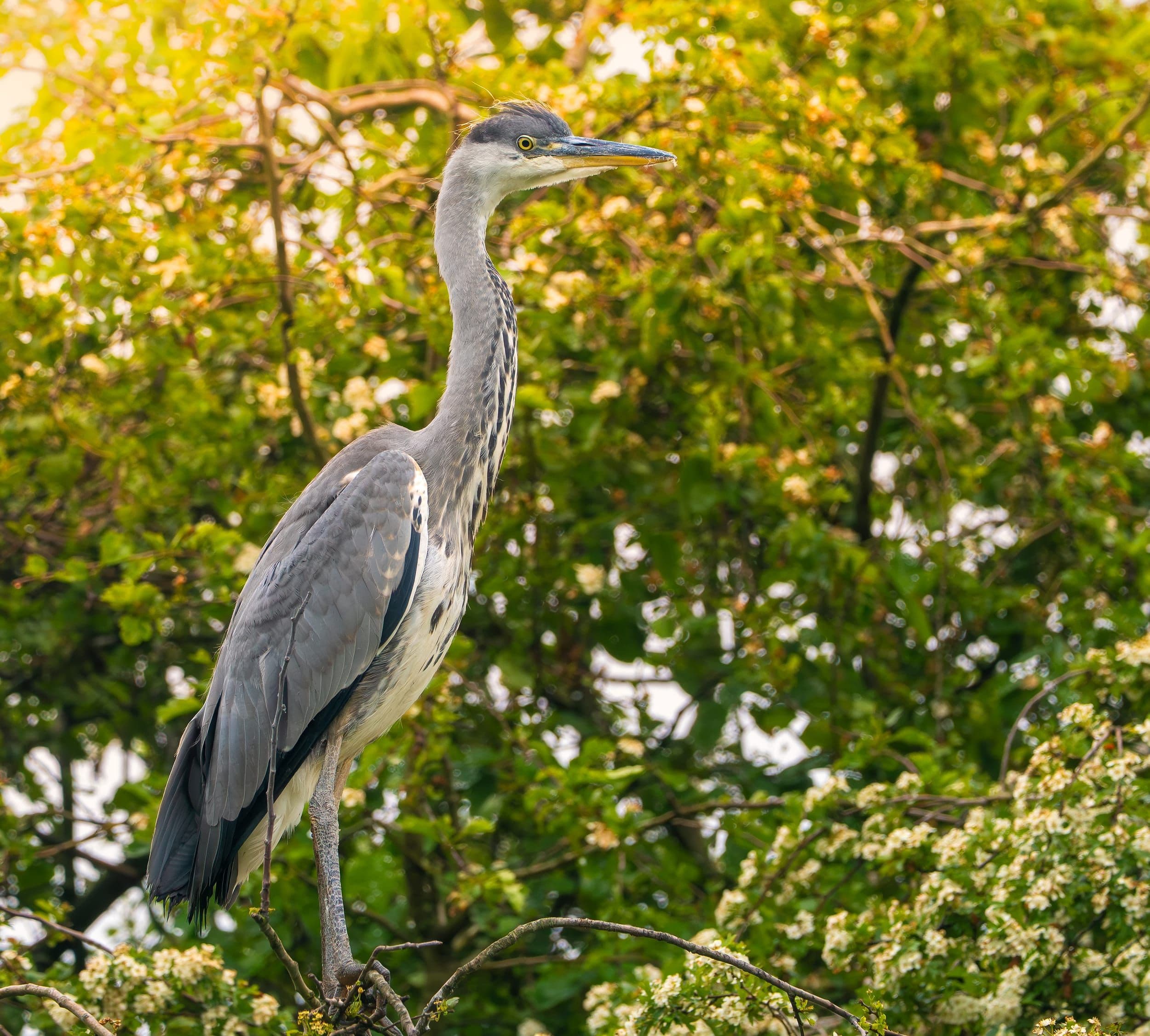
OM System M.Zuiko 300mm f/4 IS Pro
600mm-equivalent f/4 reach in a sub-1.3kg package. AF that locks on through branches where Sony and Sigma rivals struggle, 1.4m close focus that handles dragonflies and reed buntings on the same trip, and Sync IS for handheld work in any weather.
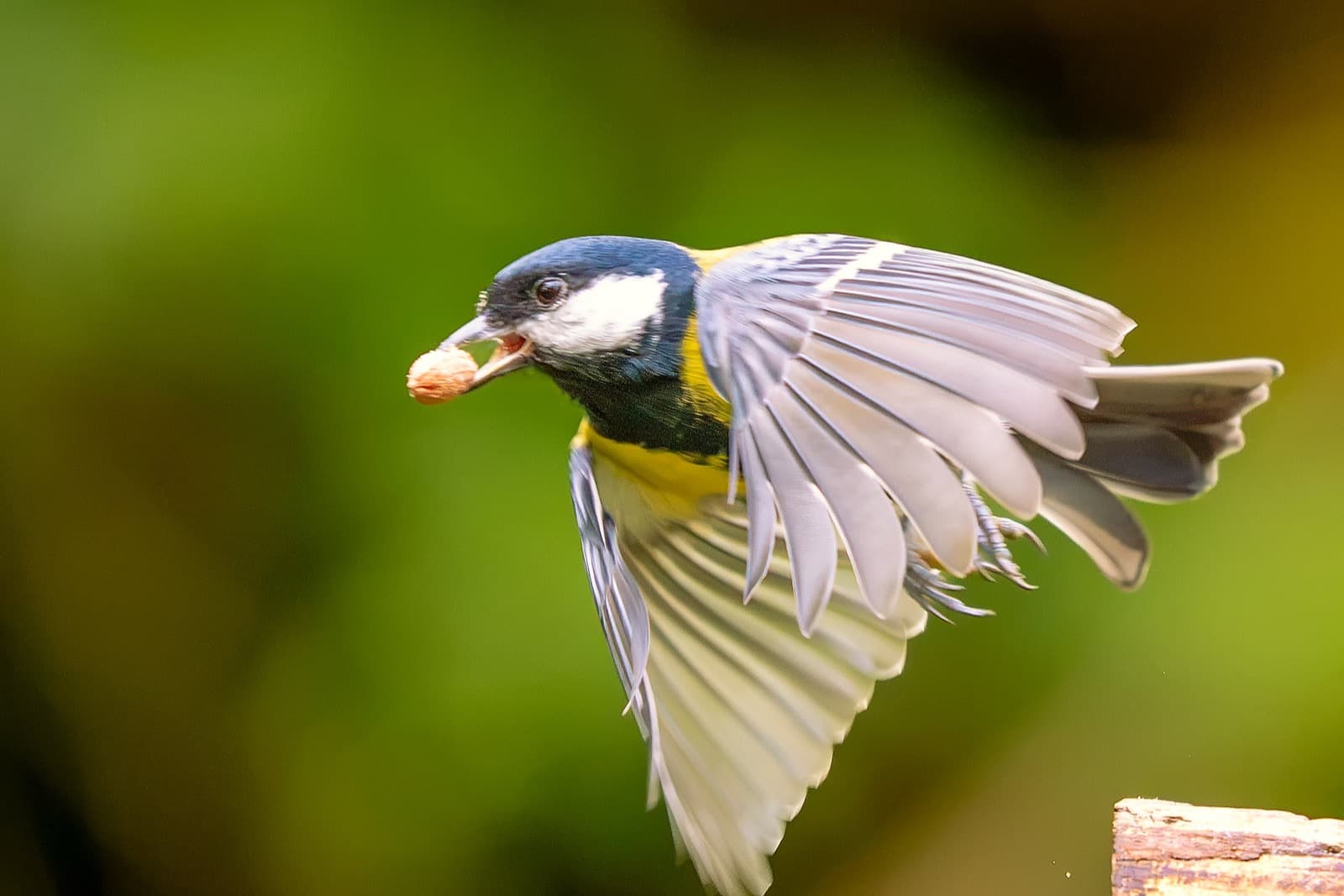
OM System M.Zuiko 50-200mm f/2.8 IS Pro
A constant-f/2.8, 100-400mm-equivalent wildlife zoom that combines fast bird-in-flight autofocus, internal zoom handling and 0.78m close focus in a 1,075g lens. Expensive, but unusually capable as a single handheld lens for birds, larger wildlife and low-light work.