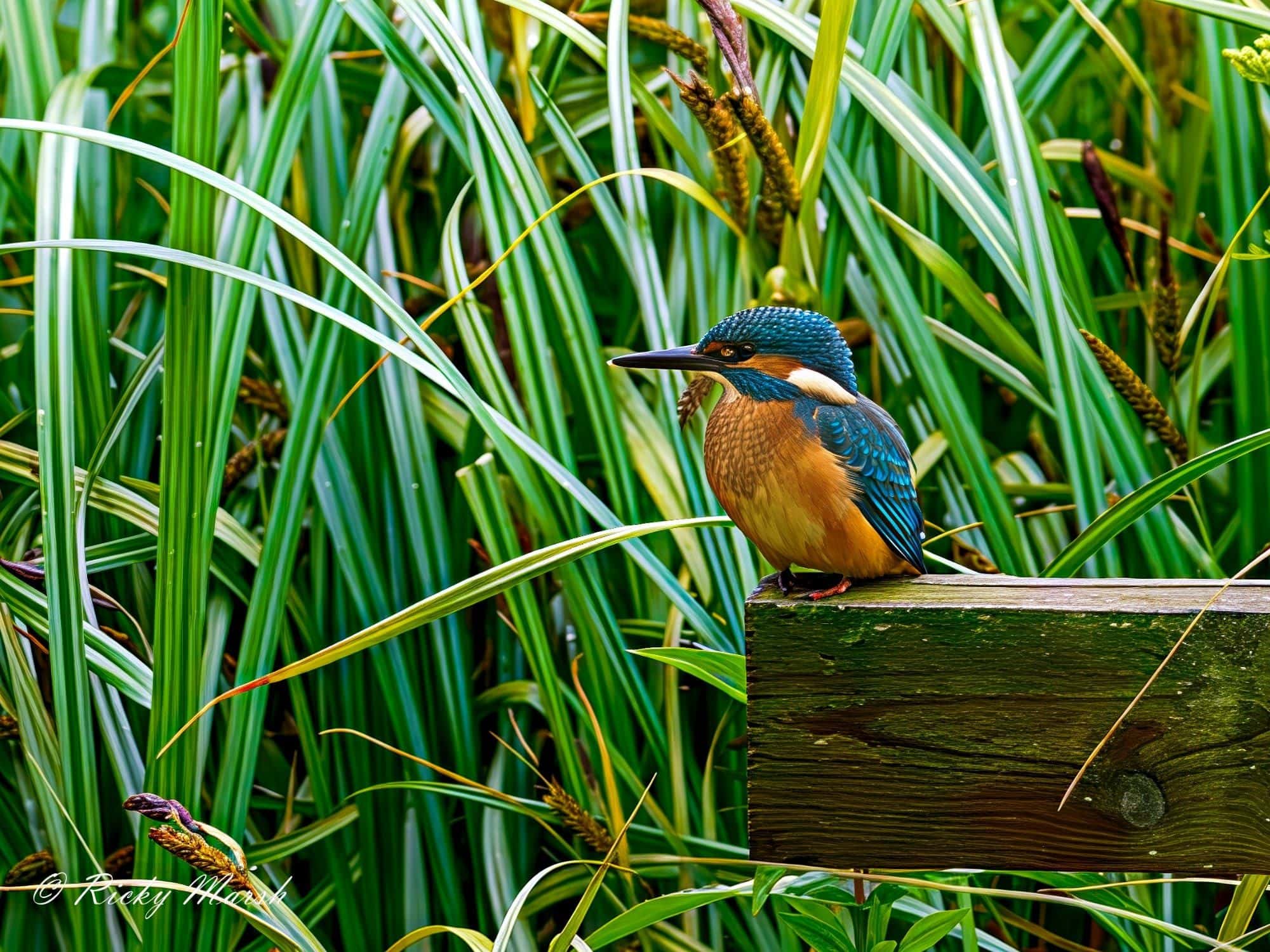
I have only been going to Dunham Massey for the last twelve months — so this guide is the most honest of the four, in the sense that I am still establishing what works, what each season delivers, and which corners of the estate reward multiple visits. I aim to get there once a month, usually a Sunday morning, and I'm there for around 9 am as the gates open. Beyond that there isn't much of a routine yet. Twelve months in, I'm still discovering the estate, and that is part of why I enjoy it.
What Dunham Massey Actually Is
Dunham Massey is a National Trust property near Altrincham — an ancient parkland estate with a free-roaming herd of fallow deer, a Georgian house, formal gardens, a moat, and a network of paths threading between mature woodland, open grass, smaller ponds, and a substantial entrance lake. It is the only one of the four sites I photograph that is not a dedicated wildlife reserve. It is a National Trust day-out venue first, with the wildlife arriving as a consequence of the habitat rather than being the reason the site exists.
That distinction matters because it shapes everything about the visit. There are no hides. There are no photography paths. The photography opportunities are scattered around the estate — the deer in the parkland, the herons at the entrance lake, the dragonflies on the moat, the songbirds in the gardens — and the visit is structured around walking the estate rather than sitting still and waiting.
The parkland itself is older and more important than the day-out framing suggests. Dunham Massey has been a deer park for centuries, and its ancient trees and the deadwood they generate have earned the park designation as a Site of Special Scientific Interest — it's one of the richest sites in the North West for the invertebrates that live in old timber, which in turn feeds the woodpeckers, nuthatches and treecreepers you'll photograph there. The fallow deer herd roams the parkland freely, wild in behaviour if managed in population. Current opening times, house and garden entry, and parking details are on the official National Trust Dunham Massey page.
Why I Took Out NT Membership
If you intend to visit Dunham Massey more than once or twice, becoming a National Trust member quickly pays for itself. Once-a-month visits would become expensive at the day rate. The other reason — and this is the bigger one for me — is that the National Trust has a lot of properties within driving distance, and most photographers take more than wildlife images. Even on the days when nothing is showing for wildlife, there are gardens, architecture, formal landscapes, and quiet courtyards that are worth a frame. Membership unlocks all of that, and it removes the calculation about whether each individual visit is worth the entry fee. You go because you want to.
The Sunday Morning Routine
I arrive at Dunham Massey around 9 am as the gates open. The site gets very busy — it is a popular family destination, and by the middle of the day the parkland paths are full of dog walkers, runners, and weekend visitors. The first hour after opening is my window. I walk the estate, photograph what is in front of me, and accept that by 11 am the photographic conditions have changed because of the foot traffic.
The Entrance Lake — Herons and the House
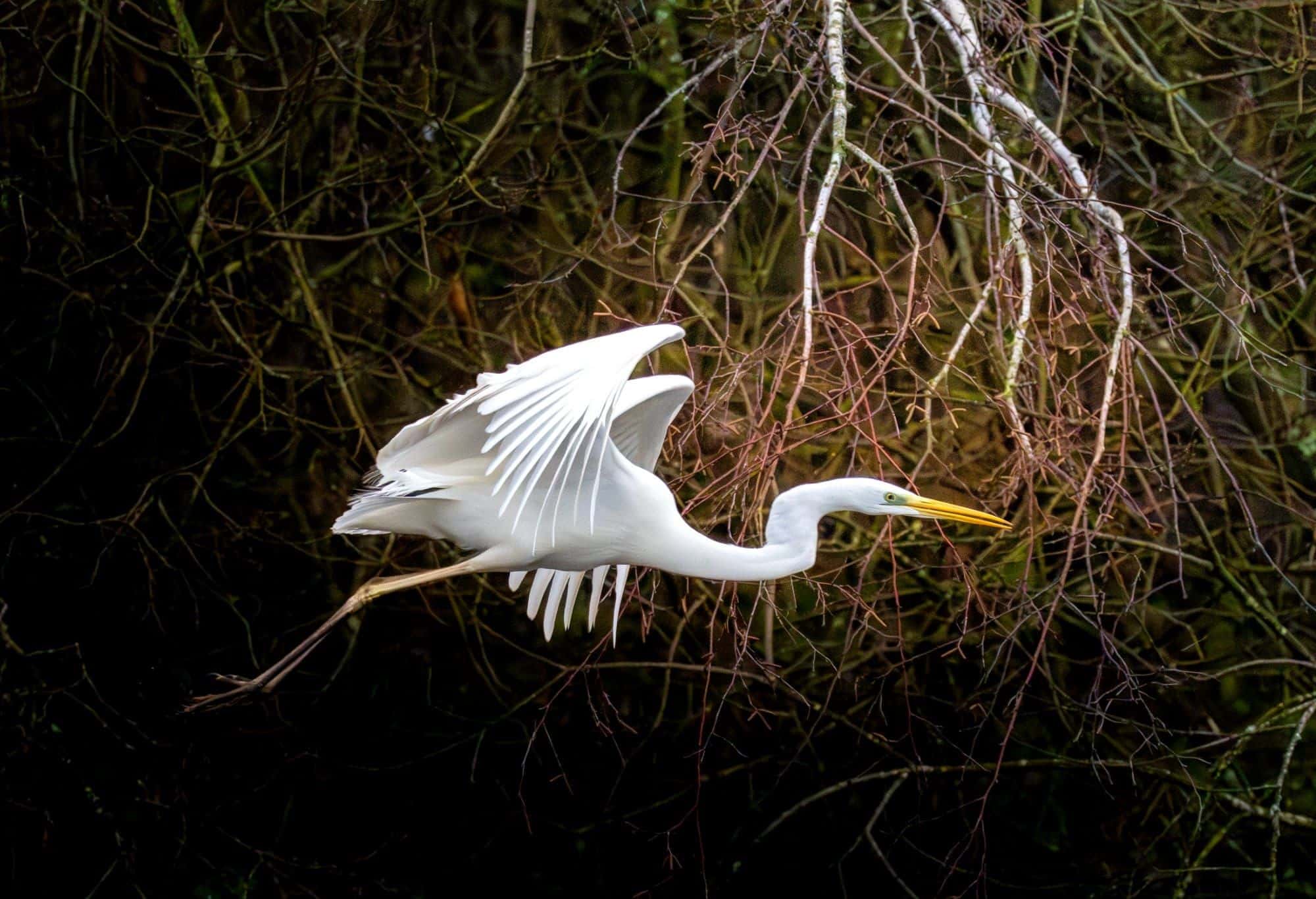
The first stretch of water you see at Dunham Massey is at the entrance. There are usually grey herons in the trees on the right of the lake, and occasionally a heron will perch on top of the wall — that is the photograph worth waiting for. From the wall position you can frame the heron with the National Trust house in the background, which gives you a wider, environmental shot that no dedicated bird reserve can offer. It is the kind of frame that places the bird in a setting, and it makes Dunham Massey distinctive among the four sites I shoot.
Past the lake you walk under an arch that takes you into the main estate area, with the house and the well-kept formal gardens immediately in front and to the left.
Photographing the Dunham Massey Deer
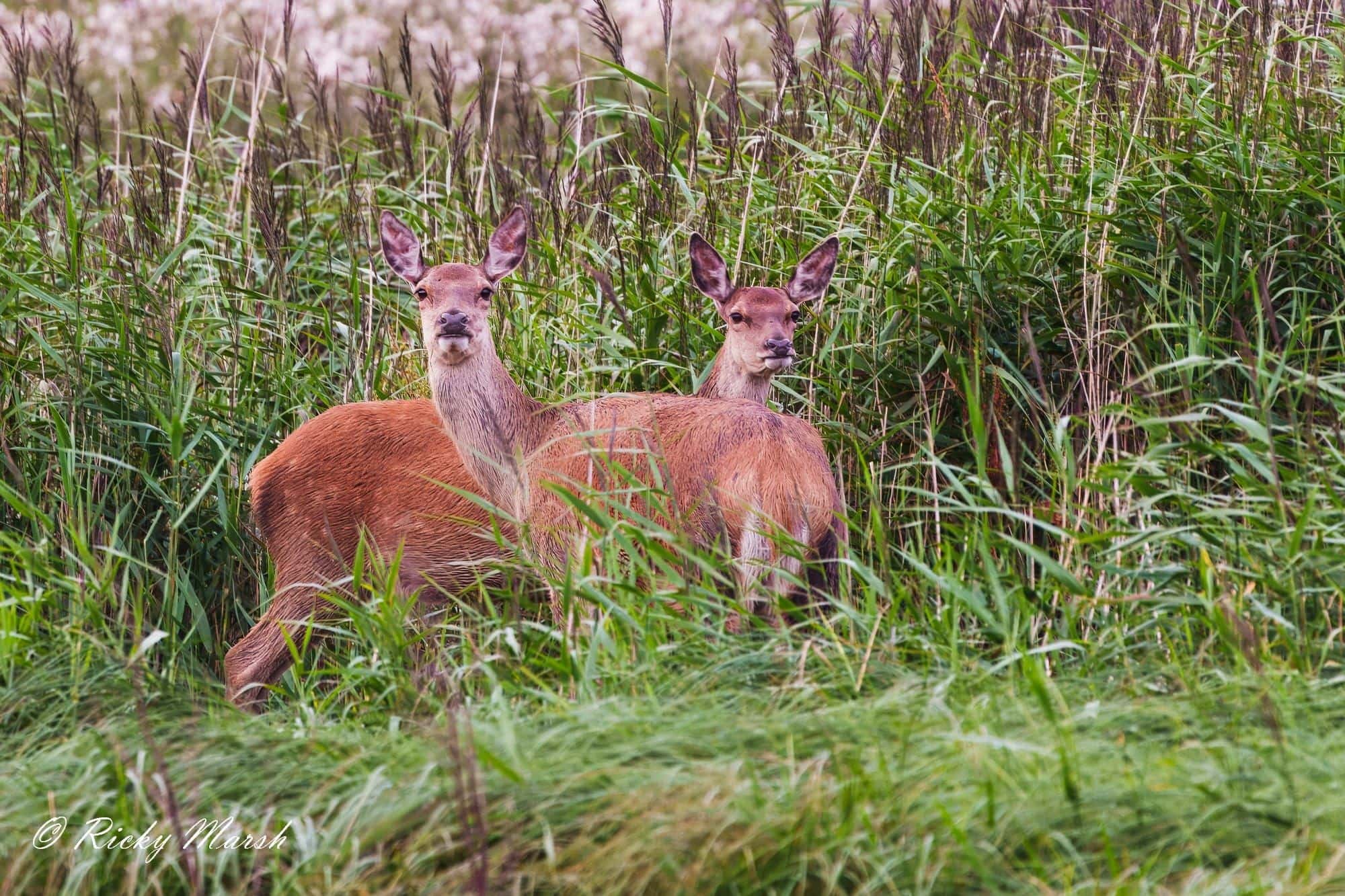
The fallow deer roaming free across the main estate are the headline subject — and the way I photograph them is not the way most photographers do. I am drawn to deer half-hidden in the long grass, peering through gaps, framed by the parkland rather than isolated against a clean background. Long-range shots with the deer sharp and the background melted away are what I keep coming back for. The Sigma 500mm f/5.6 is the right lens for that work. Sharp on the subject, smooth on the background, and light enough to walk a circuit of the estate without feeling it the next morning.
I have not yet been at Dunham Massey for the rut. That is the major gap in this guide and one I intend to fill this autumn. By all accounts the late September to early November window is the headline event of the Dunham Massey calendar — bucks roaring, head-to-head clashes, the dominant males pulling does together. I'll update this section once I've done it. Until then, what I can tell you is what I've seen the rest of the year, which is fallow deer behaving like fallow deer: grazing the parkland, retreating to the longer grass when the day warms, and giving you the best frames first thing in the morning before the foot traffic builds.
Rabbits, Buzzards, and the Off-Path Walk
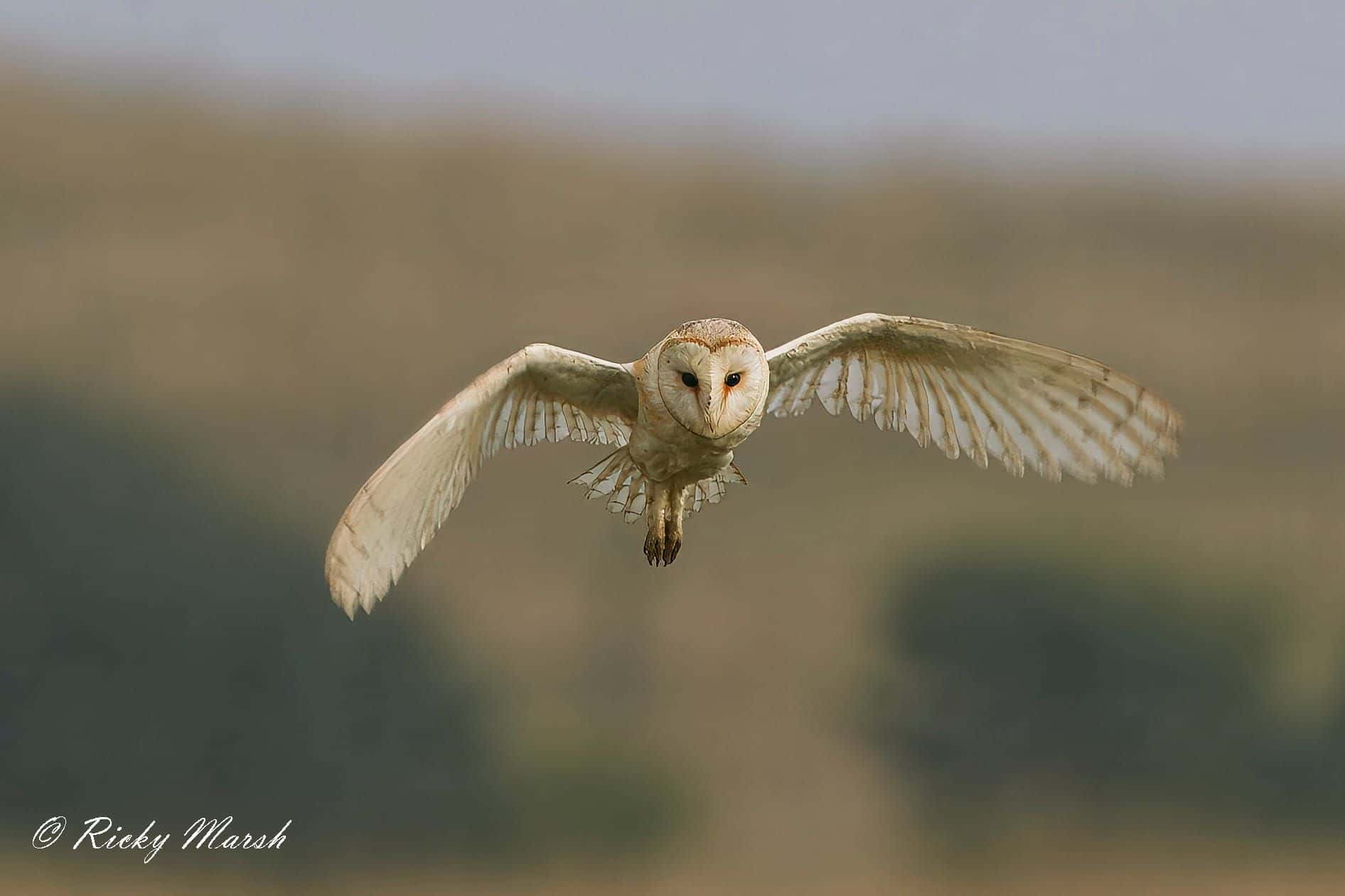
If you walk off the main routes in the early morning, rabbits are out across the grass. Buzzards work the parkland too — usually on the wing rather than perched, but you'll see them on most visits. Both species are subjects most regulars at Dunham walk past because they're focused on the deer; both will give you frames if you slow down and watch.
The Smaller Ponds
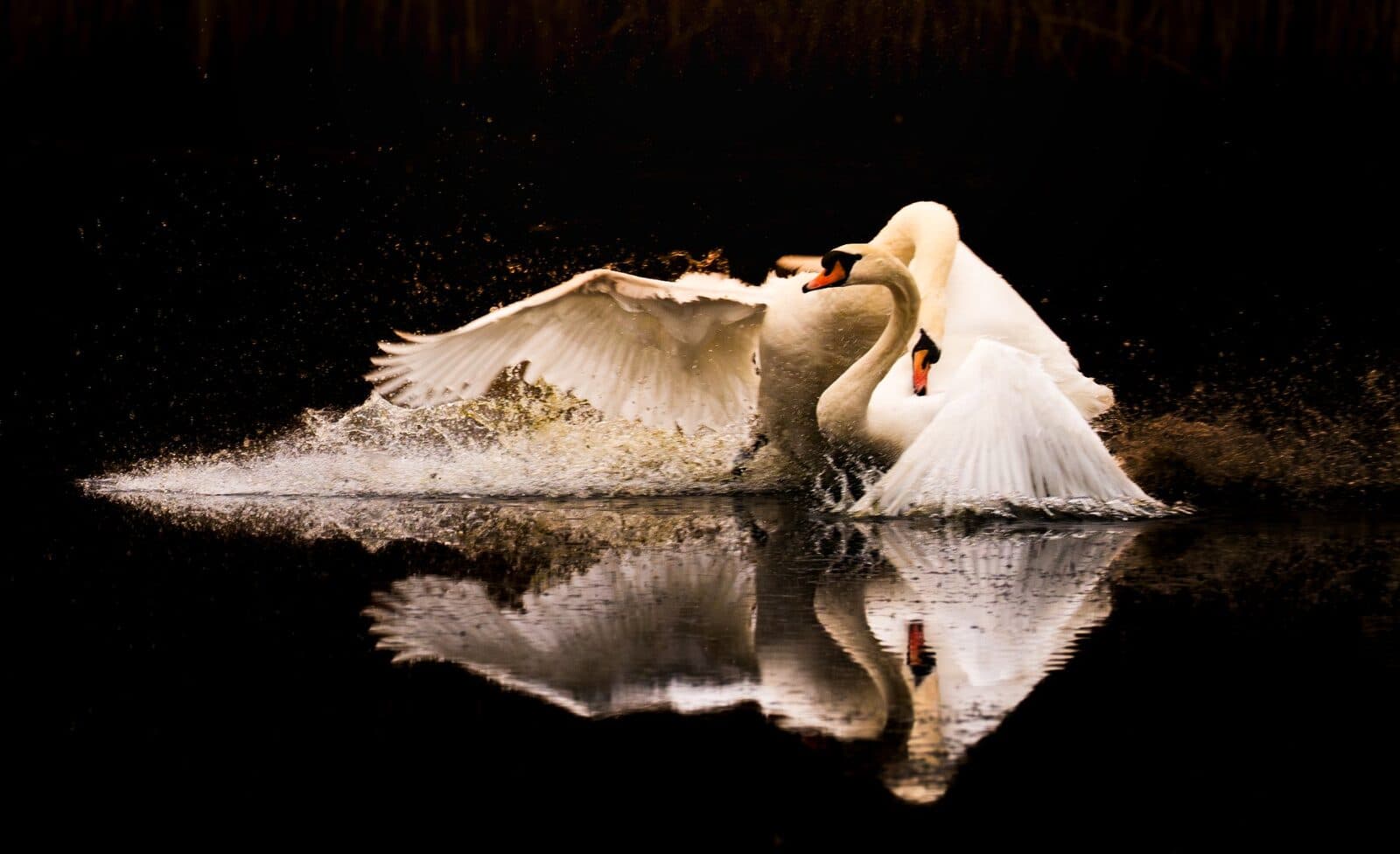
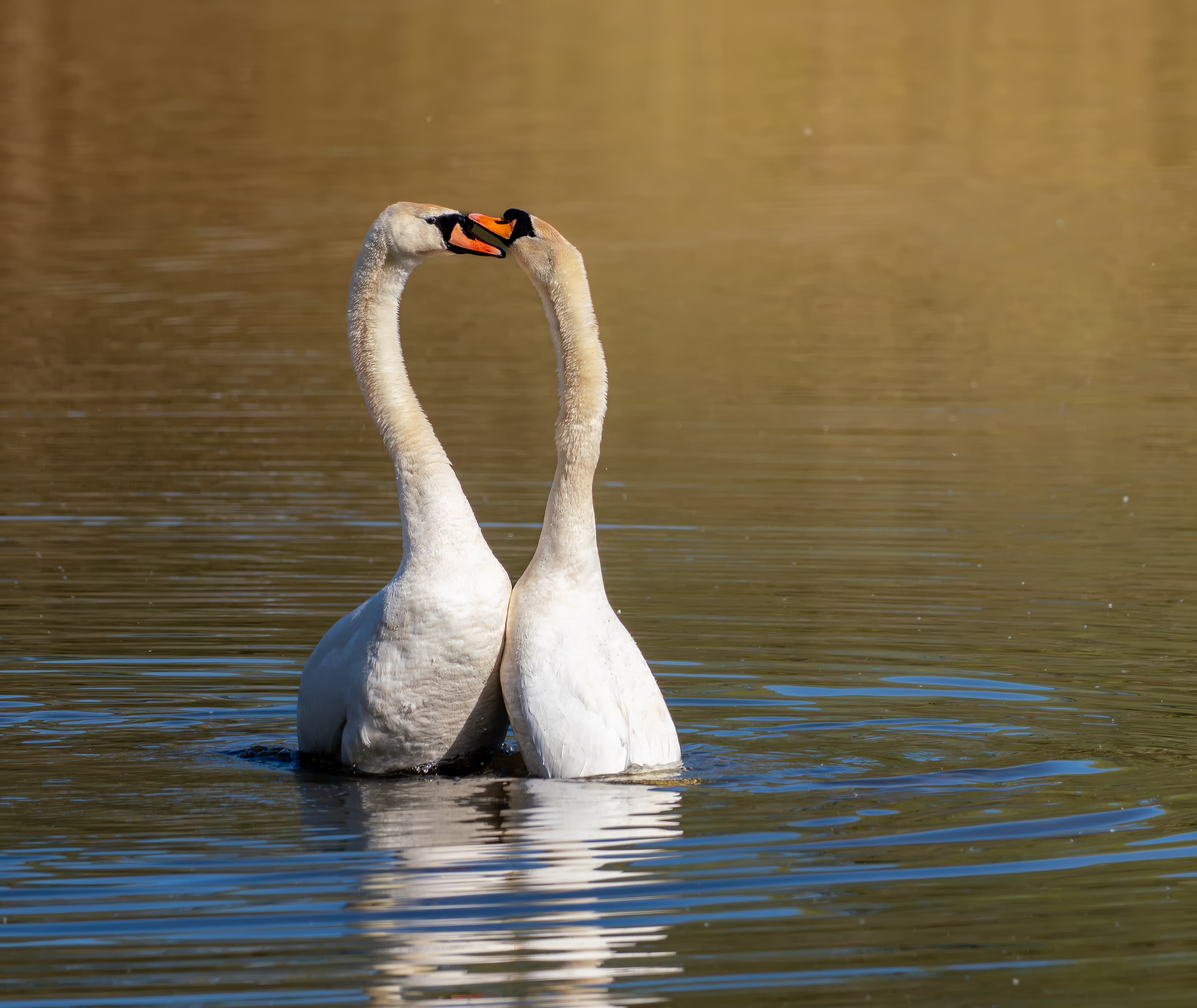
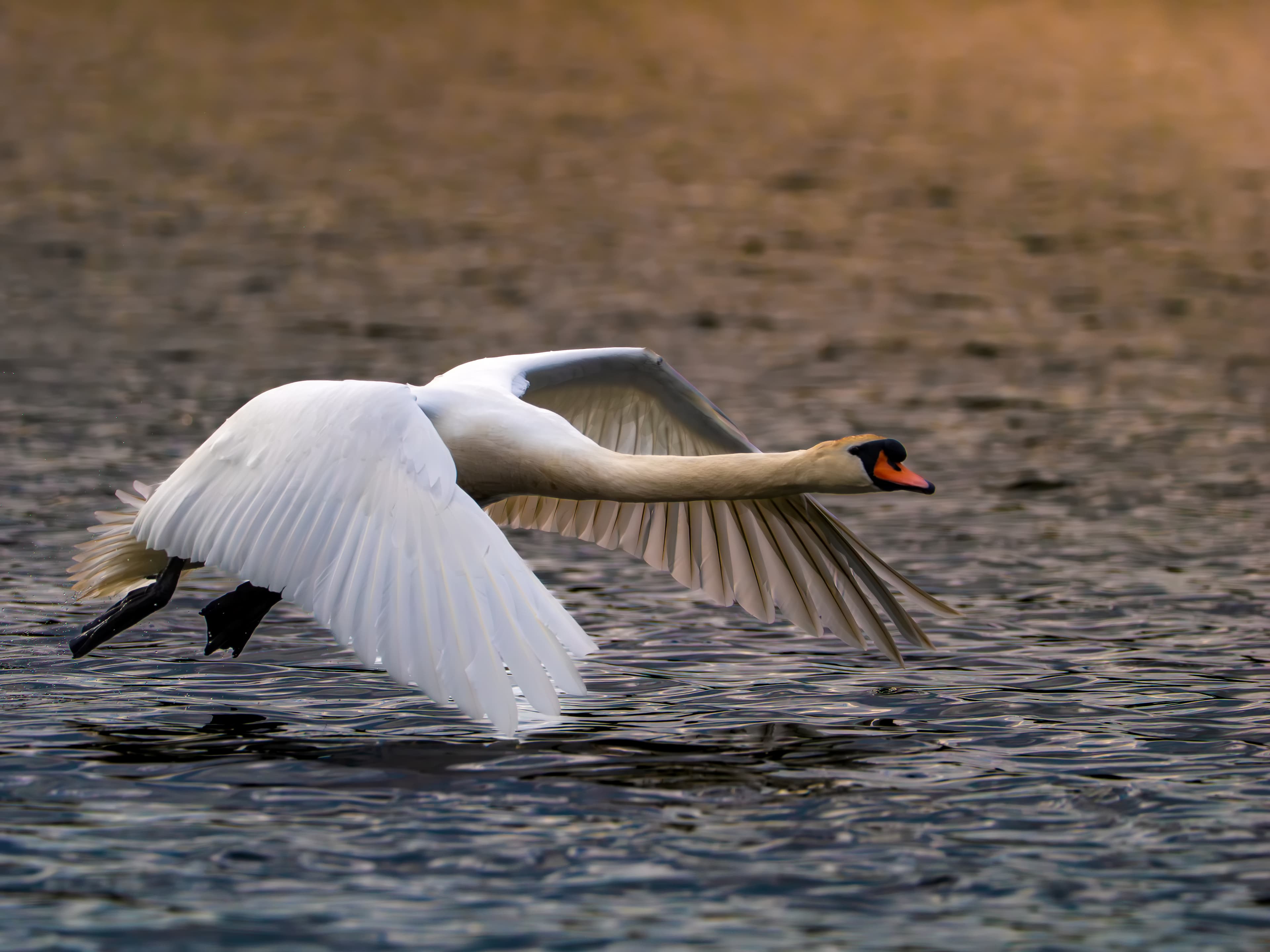
I had missed these on my first few visits. There are smaller ponds dotted around the estate — and they hold egrets, herons, ducks, and swans. They are quieter than the entrance lake because most visitors don't loop around to them, which makes them genuinely productive for water-bird photography in a way the busy front-of-estate water can't be. If you've worked the deer for an hour, walk the back ponds.
The Moat and the Dragonflies
On the way out of the estate, there is a moat. This is where I have taken my best dragonfly photographs, and it is a side of Dunham Massey that doesn't get written about. The OM-1 Mark II with the M.Zuiko 300mm f/4 IS Pro is the rig — the camera's stacked-sensor read speed gives you the autofocus response time you need to lock on a dragonfly mid-hover. Static perched dragonflies are workable on most cameras; the in-flight shot is what the OM-1 II's speed unlocks. I plan to go back this year specifically for the dragonfly work; if you visit Dunham Massey on a still warm morning between June and September, walk the moat slowly.
The Gardens and Macro Photography
The formal gardens at Dunham Massey are also worth a frame. I haven't yet brought my macro kit out here in earnest, but my OM 60mm and 90mm macro lenses would both work well in this setting — flowers, insects on flowers, dew on petals, the close-up work that the gardens are perfectly set up to deliver. It is on the list. If you are a macro photographer rather than a wildlife photographer, the Dunham Massey gardens are arguably a stronger reason to visit than the deer.
Photography Kit — What I Actually Bring
The standard wildlife pairing at Dunham Massey is the Sony A1 with the Sigma 500mm f/5.6. That combination is my go-to for distant deer with the background melted into colour, and it is, for this kind of shooting, my best lens. Sharp, light, and the focal length is right for keeping enough working distance from the deer without feeling cramped.
Alongside the Sony, I take the OM-1 Mark II with the 300mm f/4 IS Pro — same as Leighton Moss and Martin Mere. The OM rig is the dragonfly setup at the moat, and the close-focus lens of choice for any of the smaller subjects you find around the estate.
Because Dunham Massey is more than a wildlife site, I usually take a wider lens too. The Sony 20mm f/1.8 G is the lens I take for wide environmental shots — the entrance lake with the heron and the house, the autumn parkland with the deer in the middle distance, the architectural shots in the formal gardens. The Viltrox 35mm f/1.2 is the alternative if I want a slightly less wide field of view with more separation. And on visits where I plan to spend time in the gardens, I'll add the OM 60mm or 90mm macro for insect work.
That is more kit than I take to any of the other three sites — and that is honest. Dunham Massey is the most varied in what it asks of you. You can spend a morning shooting deer at 500mm, dragonflies at 300mm, herons in environment at 20mm, and macro on flowers at 60mm. No reserve in my rotation does that.
Seasonal Calendar
I have only been going for twelve months, so I am still establishing the best months. What I can tell you with confidence is that autumn was a high — the colour at Dunham Massey is exceptional, and the falling leaves give you the kind of frame where the parkland setting is half the photograph. The trees go through their colour change and the deer roam through it; that is a setting you cannot replicate at any of the wildfowl reserves. Beyond autumn, I'll update this section as I do more of the year.
The two specific dates I want to add this year are the deer rut (late September to early November) and the dragonfly peak on the moat (likely July to August in a normal year).
Practical Information
Parking is free for National Trust members and paid for non-members. The National Trust day rate plus parking adds up quickly enough that membership is genuinely cheaper from your second visit onwards if you are visiting Dunham Massey alone, and significantly cheaper if you bring family. The standard NT membership covers all properties nationally, which is the bigger value for any photographer who visits multiple sites.
Toilets, café and shop are all on site at standard NT quality. Dogs are welcome on leads in the parkland. The deer park is the main wildlife area and is open from earlier than the formal gardens and house, which is useful for an early-morning photography start.
Dunham Massey vs the Other Three Reserves
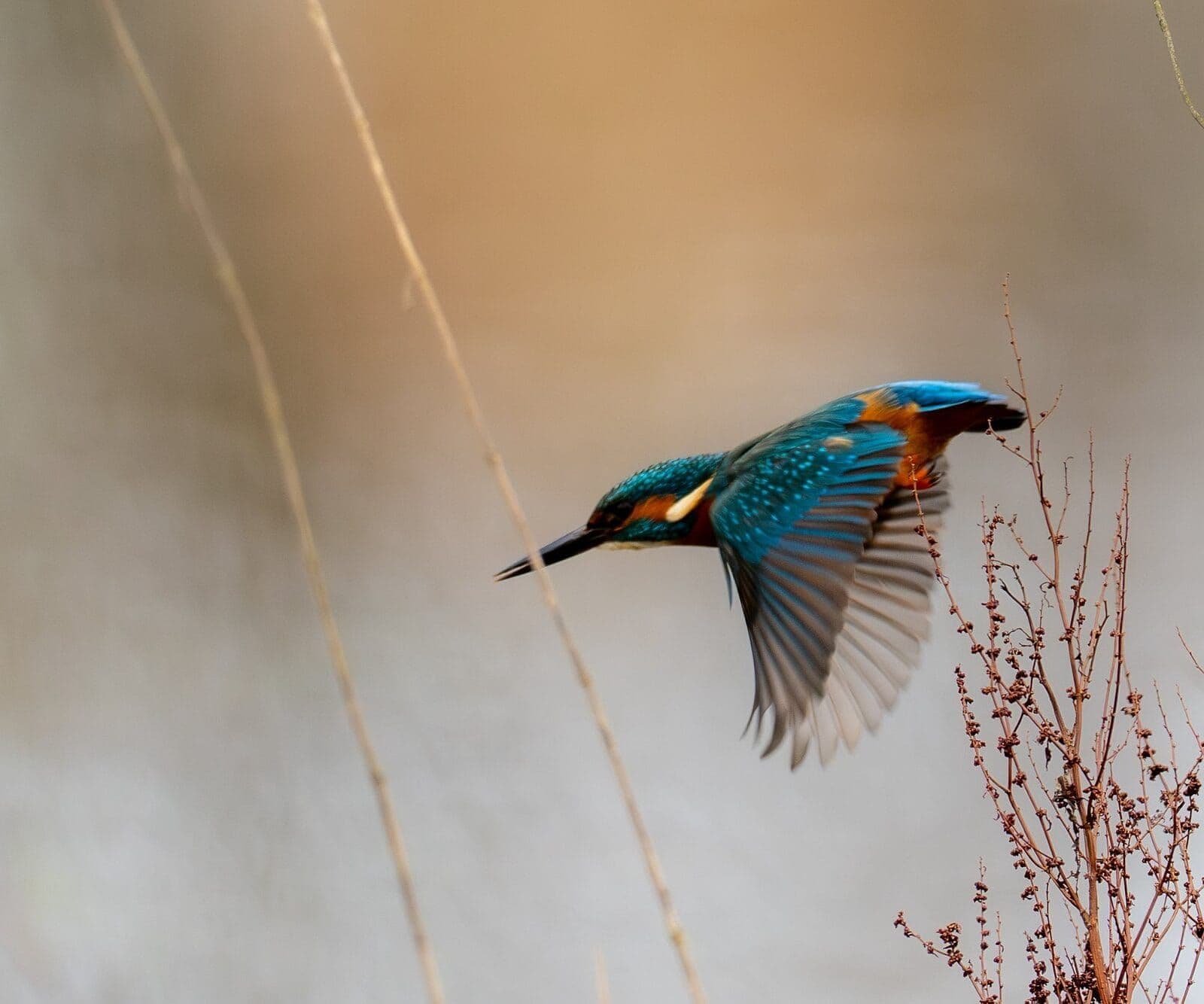
If a friend asked me where to spend their one Saturday based on what they want to photograph, the answer here is more nuanced than at the other three locations. For dedicated bird photography — kingfishers, marsh harriers, bitterns, swans in flight — I'd send them to Pennington Flash, Leighton Moss, or Martin Mere. For mammal photography, autumn colour, dragonfly close-ups on a still warm morning, and the kind of varied general-photography day where you switch lenses across half a dozen subjects, Dunham Massey is the right answer.
I'd also send a less experienced photographer here for one specific reason: the deer don't move as fast as the birds, the long grass and woodland edges are forgiving compositional environments, and the National Trust setting means the visit itself is a pleasant Sunday rather than a 4 am field trip. It is the gentlest of the four sites in my rotation, and that is a strength as much as a limitation.
The Bottom Line
Twelve months in and I'm still working out Dunham Massey. The autumn was the high so far, the deer in the long grass and the heron-with-house frame are the subjects I keep coming back for, and the moat in summer is the side of the estate I most want to explore properly this year. If you are a photographer who wants more than birds in hides — landscape, mammals, dragonflies, macro, architecture — Dunham Massey is the most generous of the four sites I shoot. Once a month is about right.