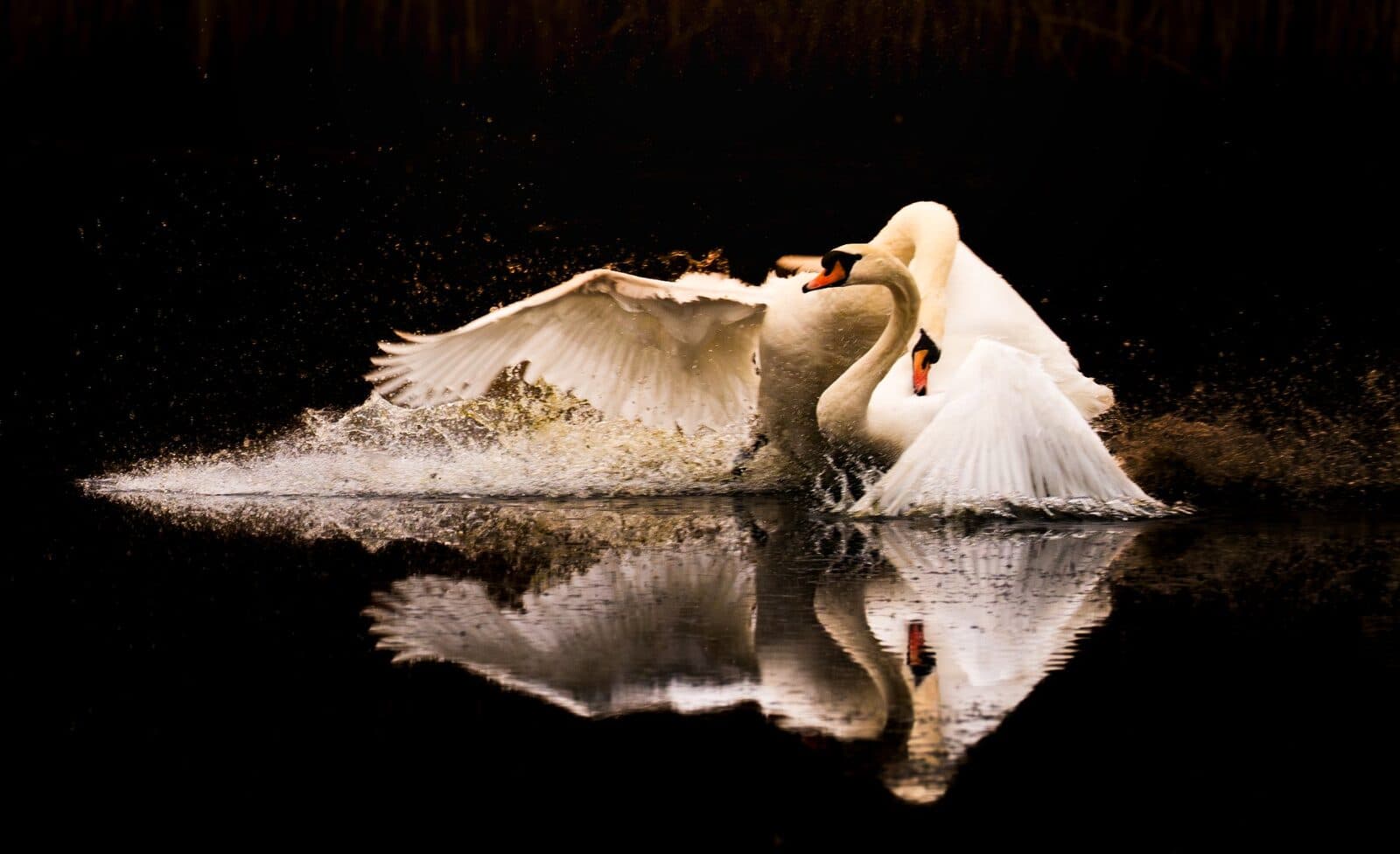
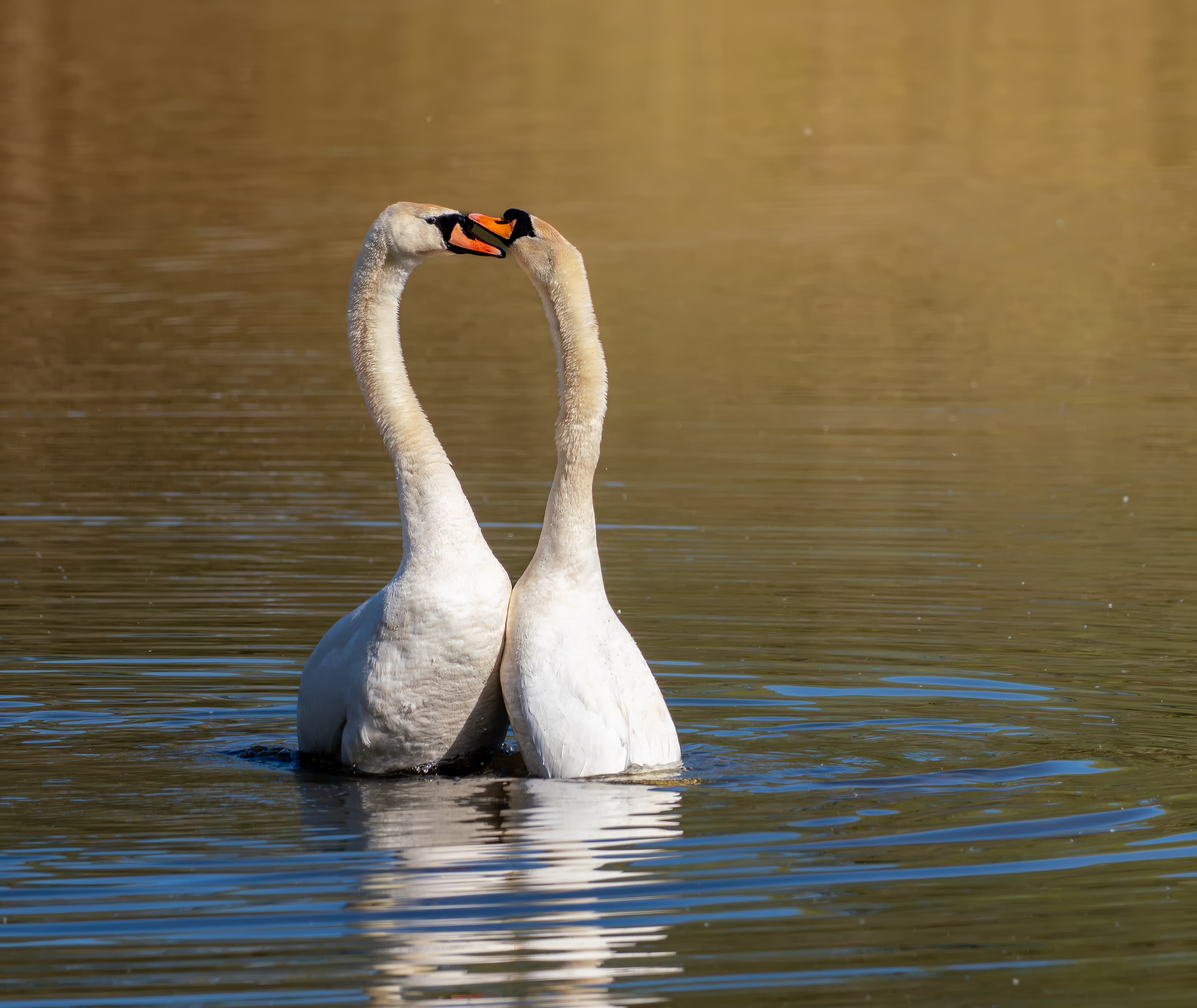
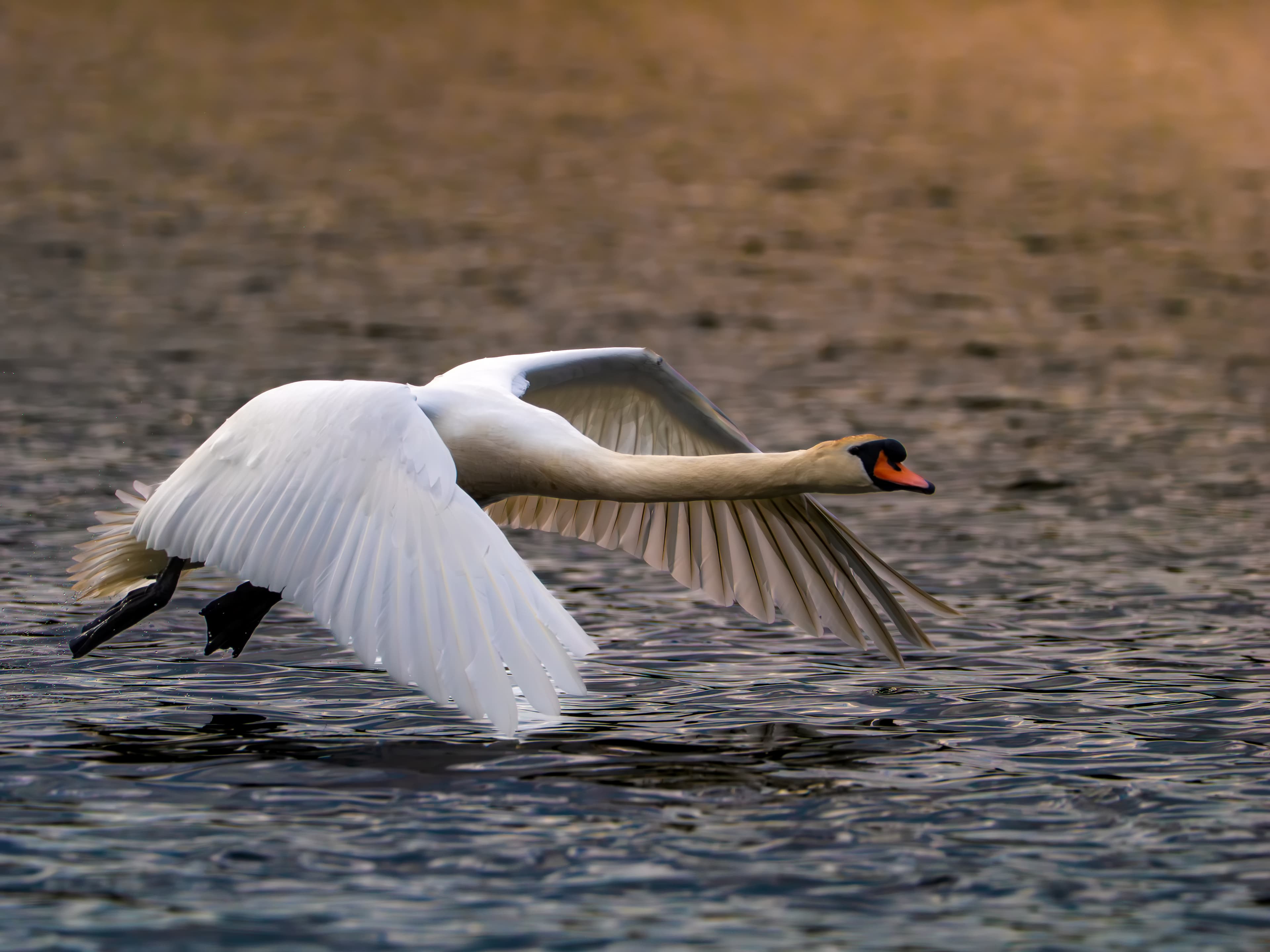
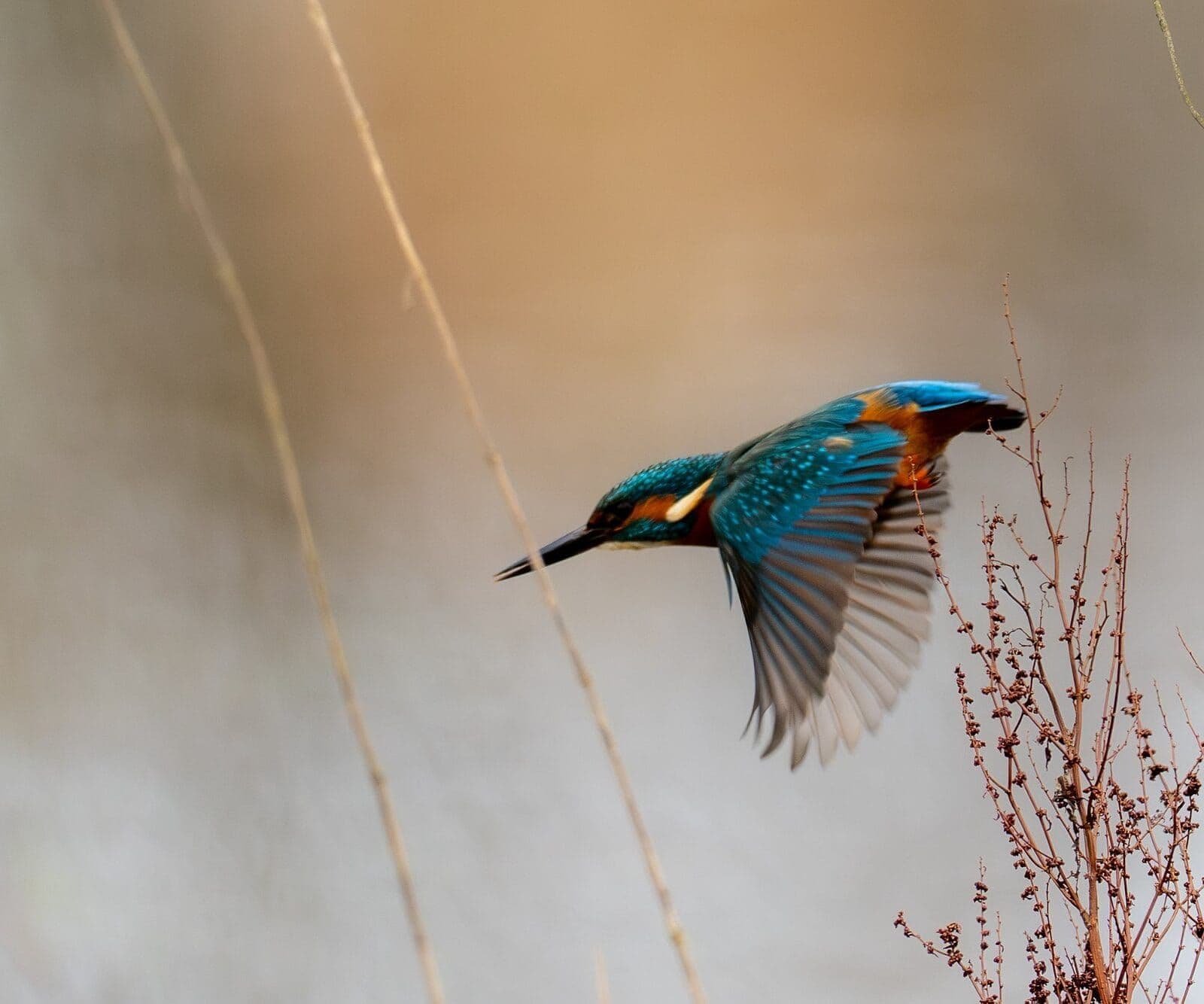
I've been visiting Pennington Flash since I was a child, and at the age of sixty this year that means it's been on my regular rotation for the better part of fifty-five years. The reserve sits five minutes from my front door, and on a normal week I'm there at least three mornings — so somewhere north of a hundred and fifty visits a year, give or take. Pennington Flash was where I first picked up a camera and tried to make wildlife photographs: I learned how to track and freeze swans in flight here, and I had my first proper goes at the kingfisher from these hides and along the canal. Almost everything I know about photographing wild birds in the North West started on this water.
What Pennington Flash Actually Is
Pennington Flash sits on the southern edge of Leigh, about ten miles west of Manchester city centre. The "flash" itself is a 70-hectare lake formed by mining subsidence in the early twentieth century — coal extraction collapsed the ground, the water table came up to meet it, and what was once farmland became one of the largest open-water bodies in Greater Manchester. The country park grew up around it, and the reserve today is a mix of open water, reed fringe, scrub, mature woodland, and a few discrete feeding stations that punch well above their weight.
It's owned and run by Wigan Council, which means free entry, dawn-to-dusk access, and pay-and-display parking that doesn't cost the earth. It also means the place is genuinely public — you'll share the main path with dog walkers, joggers, the canal towpath crowd, and on weekends the play-area families. The hides are the quiet zones, and that's where the photography happens.
Pennington Flash is also part of the Flashes of Wigan and Leigh National Nature Reserve — the first and, so far, only National Nature Reserve in Greater Manchester, designated by Natural England in October 2022. Eight former mining flashes make up the NNR, and Pennington is the flagship. More than 230 bird species have been recorded here over the years, including genuine rarities like black-faced bunting and Leach's petrel, and the site is one of the country's strongholds for the red-listed willow tit. The designation changed nothing about how you visit — but it tells you what fifty years of watching this water already told me: this is nationally important habitat, five minutes from Leigh town centre. Leigh Ornithological Society has recorded the reserve's birds for decades and their sightings log is worth checking before a visit.
Pennington Flash Bird Hides — A Walk Round
There are six public hides on site, and they don't all earn their keep equally. I use four of them regularly. They each have their own job in the round, and the better you understand which hide does what, the more you'll get out of a single morning.
The Bunting Hide
This is the one. If you only have an hour at Pennington, the Bunting Hide is where you spend it. It overlooks a feeding station that's been pulling in a consistent cast of small birds for years — bullfinch, reed bunting, nuthatch, great spotted woodpecker, the occasional willow tit if you're patient and quiet.
I sit in the middle of the hide so I have an even view to both sides, and the morning light is better on the right. The birdseed is supposed to be put down first thing in the morning, though that doesn't always happen — and you can't help out, because the gate to the feeder area is locked. Bring more patience than you think you'll need on slow mornings, because there's nothing you can do to speed things up.
The kit I run inside Bunting is the OM-1 Mark II with the OM System 300mm F4. The close-focus distance on that lens is exceptional, which matters because some of the perches are genuinely close to the window — and the same lens still has the reach to pull a bird off the back of the feeder station cleanly. The hide is also one of the best places on the reserve to use the OM-1 II's Pro Capture function for robins taking off — the buffer keeps the moment of lift-off, which is the one frame you can never time manually.
The reliable cast is nuthatches (regular), great spotted woodpecker (often), and reed buntings (regular). On weekday mornings between seven and ten you'll usually share the hide with two or three other photographers. Saturdays it gets busier — and Saturdays come with their own warning, which is in the When to Go section below.
Tom Edmondson Hide
Tom Edmondson looks out over a stretch of open water at the end of the reserve, and it earns its place on the calendar with one specific event: at the end of April, young herons leave the nest for the first time, and this is by some distance the best hide on the reserve to photograph that. If you're going to plan a single trip around something, plan it around fledging week at Tom Edmondson.
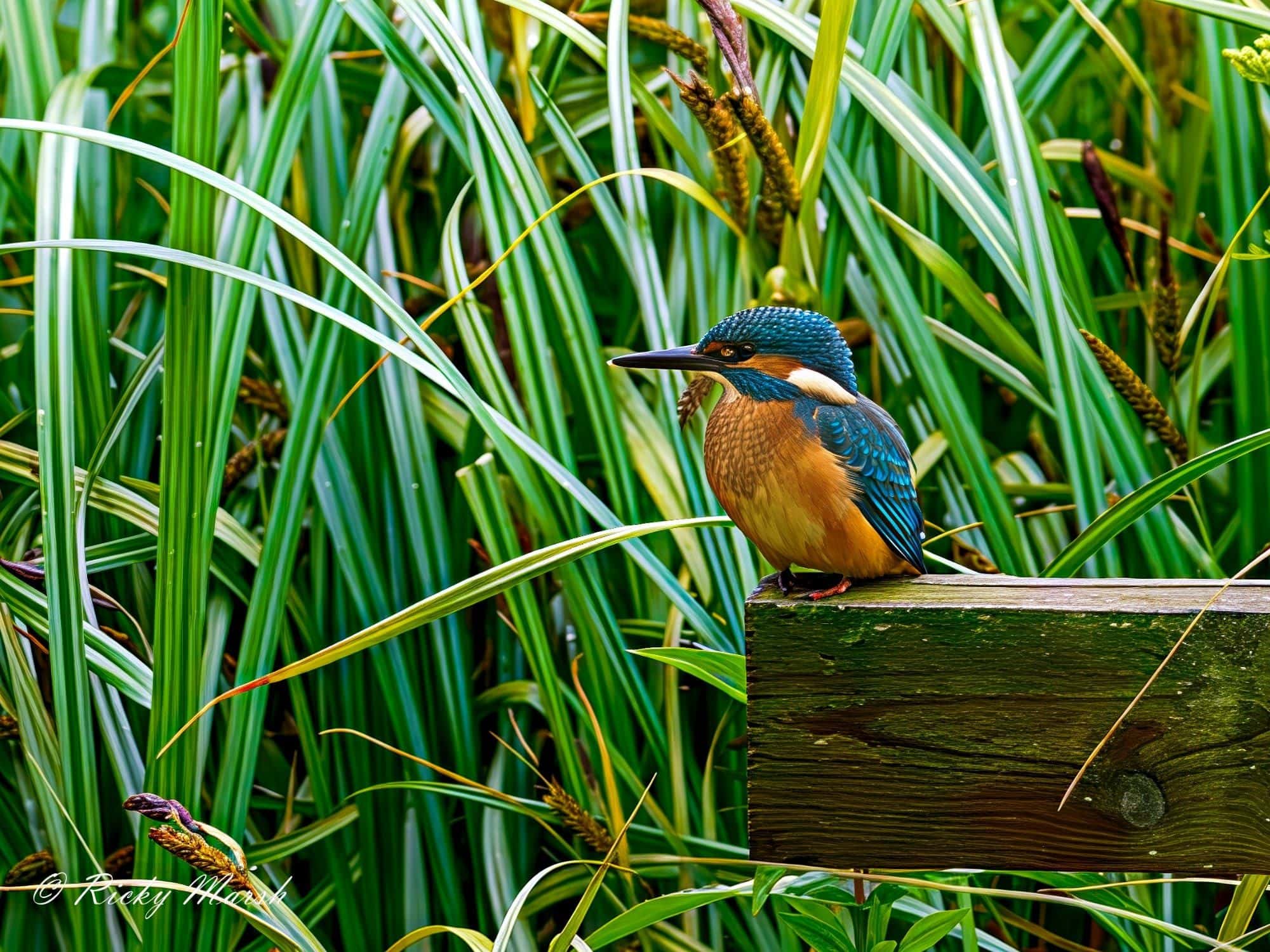
The light here is at its best in the morning. Around nine o'clock on a sunny day it can get harsh — bright enough that white birds blow out and dark birds disappear into shadow — so this is a hide I tend to leave by mid-morning rather than push into. The kingfisher also visits, and on the right day will land close enough to the hide that you get a properly detailed portrait in good light.
For the open-water work I'll often switch from the OM-1 II + 300mm to the OM-1 II + 300mm F4 + 1.4× teleconverter if I need the reach to the far point. On a Sony day I'll be carrying the Sony A1 with the Sigma 500mm F5.6, or — when I want maximum framing flexibility — the Sony 200–600mm, on either the A1 or the A7R V. The big advantage of working with 50- or 60-megapixel files at this hide is crop room: I'd rather lock the bird in with the lens I have and trust the file to take a decent crop than constantly swap focal length while the moment passes.
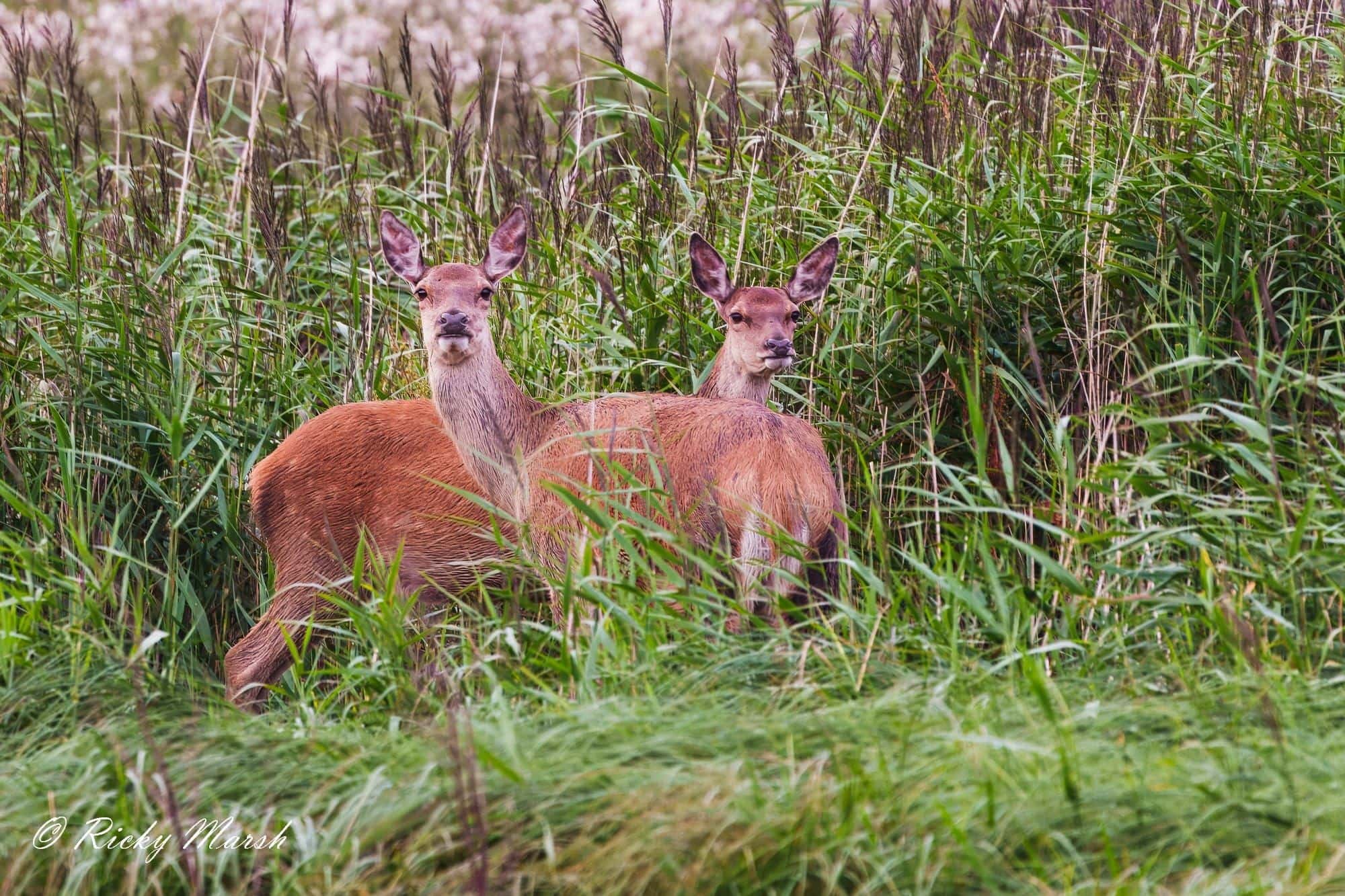
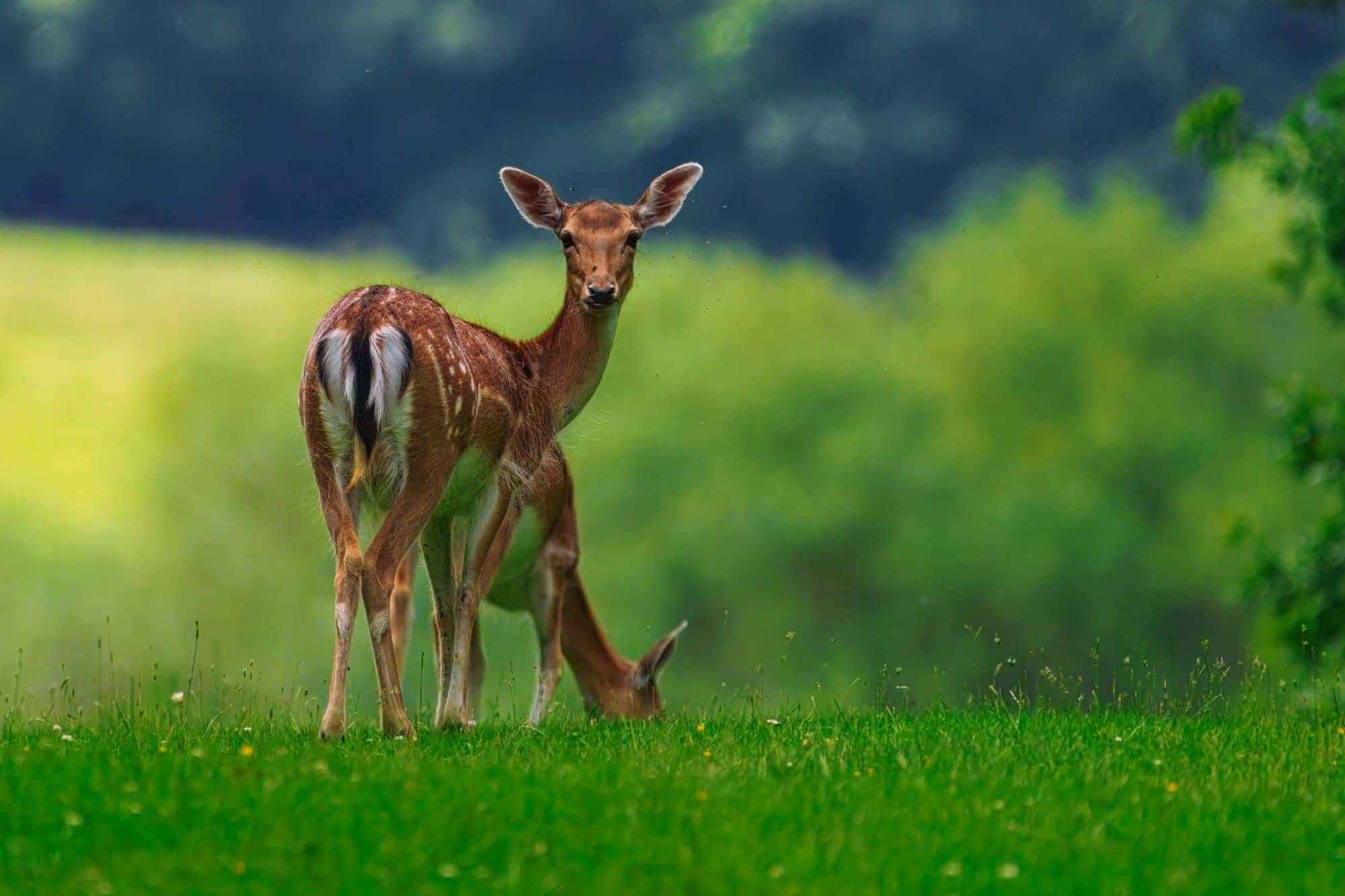
The best shots I've taken from this hide are herons in flight and, occasionally, swans. There used to be deer visible from this part of the reserve too, though I haven't seen them in a while now — one of those quiet changes you notice when you've been visiting the same place for half a century.
Charlie Owen Hide
This is the hide I'd send you to right now if your single goal at Pennington was a kingfisher photograph. As of spring 2026, Charlie Owen Hide is producing more kingfisher sightings than anywhere else on the reserve. I see them on most of my visits there, though not always close enough to photograph cleanly.
I should be honest about my own approach here. I'm not someone who sits in a hide for hours waiting for one bird — I don't have that kind of patience, and I'd rather walk a circuit and photograph what's actually in front of me. So when I say Charlie Owen is the best kingfisher hide, that's based on sightings rather than on staked-out, freezer-shot kingfisher portraits. If you've got the patience to settle in for a few hours and you're chasing the bird specifically, this is where you go.
Horrocks Hide
Horrocks looks out over a section of water whose level shifts with how much rain has fallen recently — meaning the view from the window genuinely changes through the year. You'll typically see herons and egrets here, and kingfishers do appear, though they're less active around April because of the breeding season and they don't tend to nest in this area.
This is the quietest of the four hides I use. People often come to Horrocks to sit and watch the water without necessarily having binoculars or a camera with them — it's almost a contemplative hide rather than an active photography one. I don't visit it as often as Bunting or Tom Edmondson, and I'd describe it as more seasonal than the others: it has its windows of activity rather than being a year-round banker. If Bunting is full and you want somewhere to escape the crowd, Horrocks is your bolt-hole. If you've got a tight schedule and you're choosing between the four, Horrocks is the one to drop.
Sanctuary Hide
Tucked away on the far side. Limited photographic angles but a quiet sit-down at the end of a circuit. I don't run my mornings around it.
The Headline Species
Kingfisher
The kingfisher is the bird most people drive to Pennington for, and it's the bird whose realities I want to be most honest about. Kingfishers can be seen at most of the hides — the trick is being there when they show up, not staking out one specific window. I've had good fortune at Charlie Owen and Tom Edmondson, and I used to see them regularly along the canal towpath. The canal is now a less reliable bet because of building work on the far bank that has stripped most of the trees they used to perch on. Things change at every reserve, and that's one of the changes here.
The best kingfisher shots I've ever taken were with the Sony A1 and the Sigma 500mm F5.6 — but those weren't planned shots. The kingfisher will turn up unexpectedly and you use the camera that's in your hand, because they don't hang around long enough to give you time to swap kit. The honest gotcha I've fallen into more than once: you get so engrossed in tracking the bird through the viewfinder that you don't think to check your shutter speed, and you walk away with a blurry frame that should have been a print. For a kingfisher in good light, you want at least 1/4000s to freeze the wings. Set it before you sit down.
If what you're after is the action shot — the takeoff, the dive, the exit-with-a-fish — the right rig is genuinely the OM-1 Mark II + 300mm F4 at 60 frames per second, ideally using the Pro Capture buffer to ensure the moment of lift-off is captured rather than narrowly missed. That's the technical answer. The practical answer is that you'll get most of your kingfishers as still portraits, not action sequences, and a good still portrait is a perfectly publishable image.
Willow Tit
Pennington Flash has a long-standing reputation as a willow tit stronghold, and that reputation has earned the reserve a lot of pages on a lot of birding websites. The truthful current picture is more nuanced: I see willow tit here from time to time, but not regularly. They're an occasional sighting rather than a banker. National populations have crashed by over 90% since the 1970s and Pennington has not been immune to that. If a willow tit is your specific reason for visiting, plan for the possibility that you might leave without one and treat it as a bonus rather than a guarantee.
Bullfinch, Reed Bunting, Nuthatch & Great Spotted Woodpecker
The Bunting Hide cast. Reliable across the year, accessible to a 300mm lens, and the kind of subjects that teach you a lot about exposure and composition because you can sit with them long enough to think about the photograph rather than just the focus. Bullfinch males in good spring light are one of the gifts of this site.
Kestrels & Buzzards
Two species that get overlooked because they're "common" but which Pennington produces handsomely. Kestrels turn up both in flight (hovering over the rougher ground around the reserve) and perched in the same handful of trees. Buzzards sit in those same trees more often than not. A perched buzzard at thirty metres in good light is a portrait shot most photographers would happily drive an hour for; here it's a regular feature. Don't walk past.
Great White Egret
Once a rarity, now resident. You'll often see them stalking the margins of the flash from the Tom Edmondson Hide. Bigger and paler than the grey heron, with a yellow bill in non-breeding plumage; one of the best signs of how the British wildfowl scene has shifted in the last decade.
Common Tern
Summer only. The reserve maintains nesting rafts on the flash and the colony is visible from several hides. Photographically tricky — they're fast, often distant, and the rafts are not close — but rewarding when one comes in to fish nearby.
Wildfowl & Water Birds
The bread-and-butter cast on the water itself: mute swan, cormorant, great crested grebe, mallard, tufted duck, coot, oystercatcher, and goldeneye in winter. I photograph all of them — I don't sit there favouring one species over another. Goldeneye is the upgrade-tier bird in that list: a winter visitor with serious photographic appeal, and not every reserve in the region gets them in numbers. Oystercatcher are a pleasure too — bright, noisy, and photographable in flight as well as at rest.
Seasonal Calendar
Spring (March–May)
Sand martins return to the cliff face above the flash. Lapwing display over the meadows. Reed warbler and sedge warbler arrive in the reedbed. The bullfinch males are at their pinkest. Passage waders — common sandpiper, green sandpiper, the occasional whimbrel — move through on the muddy margins.
A note on late April specifically: this is the quietest period of the year on the reserve overall, because most birds are busy with breeding and visible activity drops. The exception is fledging week at Tom Edmondson Hide, where the young herons leaving the nest for the first time produces the single best ten days of the spring calendar. So late April is paradoxically the worst week to visit and the best week to visit, depending on what you're after.
Summer (June–August)
Common terns are nesting and the rafts are loud. Broods of mallard, great crested grebe, and coot are everywhere. The Bunting Hide quietens down — fewer birds at feeders when natural food is abundant — so your best plan in summer is open water and the woodland edges.
August has been a quietly outstanding month for kingfishers in the last twelve months. I've seen kingfishers on every visit through August, more active than I'd expect at any other time of year. If that pattern holds — and I think it will — August is currently the sleeper-hit month at Pennington for the bird most people drive here for.
Autumn (September–November)
For me, autumn is when Pennington comes into its own as a photographic reserve rather than just a wildlife reserve — and it's the season I most enjoy. Bird activity is as busy as any other time of the year, but the trees go through their colour change and the entire backdrop of the reserve becomes part of the photograph rather than the setting it happens in front of.
The most useful single piece of autumn advice I can give you is this: bring a wider lens than you would normally carry to a wildlife reserve. The "bird in environment" frame — where the autumn colour around the bird becomes half the picture — is what autumn at Pennington gives you that no other season does. A 300mm or even shorter alongside your usual long lens earns its place in the bag here.
Winter (December–February)
The flash fills with wildfowl, the Bunting Hide is at its busiest with feeder birds, and the bare trees give cleaner backgrounds for woodland species. Cold mornings with frost on the reeds are the postcard conditions. The OM-1 Mark II becomes the only camera I bring out in the rain or properly cold weather because of its weather sealing.
When to Go
I aim to arrive around 6:30am and to be away by 10:30am. Early morning is when activity is highest, and being out before the wider park gets busy means fewer disturbed birds and an easier time at the hides.
A specific Saturday warning: A weekly Park Run takes place at around 9am on Saturdays. The reserve gets very busy — runners, supporters, families — and bird activity drops accordingly. Do not turn up Saturday morning at 9am expecting a quiet hide. Either arrive early enough to be set up before the runners arrive, or pick a different day. Mid-week mornings are quieter overall if you've got the flexibility to choose.
The parking detail that matters most: Pay-and-display is £2.50 per visit, but annual parking is around £55 (2026 price) and breaks even at about 22 visits. That's the headline. The less obvious advantage is that the barrier gates do not lift early in the morning for casual day-pass visitors. Without an annual permit, you cannot get into the car park at six in the morning — the gate is closed. Annual parking is the only way to access the reserve before the public opening time, which means it's the only way to get a 6:30am start. If you intend to be at Pennington before sunrise more than two or three times a year, this isn't a money-saving decision — it's the difference between being able to do the trip or not.
Photography Kit — What I Actually Bring
There are two systems I run.
The standard rig is the OM-1 Mark II + OM System 300mm F4 (with the 1.4× teleconverter when I need the extra reach at Tom Edmondson). It is, in my honest assessment, my best camera. In winter and in rain, it's the only one I take out — the weather sealing is what lets me keep going on days when the Sony stays in the bag. With the close-focus distance and the reach the teleconverter gives it, the same lens covers Bunting and Tom Edmondson without changing.
The walking-around rig is the Sony A1 + Sigma 500mm F5.6. That combination always nails my swans-in-flight shots — the burst rate on the A1 paired with the speed and sharpness of the Sigma 500 is the right tool for fast-moving subjects against a bright sky. On days when I want the framing flexibility, I'll swap the Sigma 500 for the Sony 200–600mm, and I'll occasionally run the A7R V instead of the A1 if I want more crop room.
The monopod stays in the car. I have one and I'm telling you about it because it's the kind of thing every gear list insists you bring. In practice, it's another item to carry around and I find I don't use it. Handheld with the OM-1 II works for everything I shoot here. If you've got one, by all means bring it; if you haven't, don't buy one for Pennington's sake.
Non-camera essentials at Pennington come down to two items: good waterproof footwear (the paths can get muddy after rain, and they will) and a waterproof jacket (Lancashire weather is what it is). I wouldn't add anything else to that list.
Visitor Essentials — Parking, Café, Directions
The practical details, from someone who's here three mornings a week. Entry to the reserve is free; you only pay for parking. The main car park on St Helens Road is pay-and-display at £2.50 for the day, with an annual pass (around £55 as of 2026) that pays for itself in about 22 visits — and, more importantly for photographers, gets you through the gates before the public opening time. The car park itself is open roughly 6:30am to 7:30pm and has 300+ spaces plus a bank of EV chargepoints.
Getting here: the entrance is on the A572 St Helens Road, Leigh, opposite Leigh Fire Station — signposted from the A580 East Lancs Road. Sat nav postcode WN7 3PA. There's no railway station in easy walking distance; the guided busway to Leigh plus a short taxi ride is the practical public-transport option.
On site you'll find toilets, picnic areas, an accessible adventure play area for families, a nine-hole golf course, and The Hide Coffee House — a lakeside café by the visitor information point, open daily from 9am (closing time varies by season). It's dog friendly with outdoor seating over the water, and after a cold winter morning in the Bunting Hide it earns its place in the routine. Dogs are welcome across the park on leads; the hides are the one place I'd leave them behind.
Pennington Flash vs the Other Three
If you're trying to choose between Pennington Flash, Leighton Moss, and Martin Mere for a single Saturday, here's the honest comparison.
Reach required. Pennington has the shortest distances to subject of the three — a 300mm bare body works at most hides, with a 1.4× teleconverter for the far point at Tom Edmondson. Leighton Moss demands more reach: I'll bring the Sony A1 with the 200–600mm and a 1.4× teleconverter when the light is favourable, or the OM-1 II with the 300mm F4 + 1.4× as a minimum. Martin Mere has similar reach demands to Leighton.
Cost. Pennington is the cheapest to access by some distance — £2.50 per visit or around £55 a year — and there's no entry fee. Leighton Moss is RSPB-managed; if you've got membership it's covered, otherwise there's a day rate. Martin Mere is a paid WWT venue and the day pass adds up quickly if you intend to visit more than once or twice; an annual membership is essentially mandatory for regular visitors.
Access and hours. Leighton Moss has the unique advantage that you can access it at any time, including pre-dawn arrivals — useful for catching deer on the footpaths in the dark on the way to the hides for first light. Pennington is dawn-to-dusk via the barrier (annual permit required for early starts). Martin Mere keeps standard reserve hours.
Best for. Pennington for variety at short range, particularly for a beginner. Martin Mere for sheer wildfowl variety and bigger, more comfortable hides. Leighton Moss for the deeper photographic experience — bittern, marsh harrier, otter, the long-lens rewards, and that pre-dawn deer opportunity.
My honest verdict for a new wildlife photographer: Pennington Flash, every time. The distances to subject are much shorter, the kit a beginner is likely to have will work fine, and it's a genuinely good place to learn techniques without being punished for not having a £10,000 lens. I'd send a friend just starting out to Pennington before either of the others.
I'll add an honest aside, since the page is more useful with one. I think I personally enjoy Leighton Moss the most of the three — but that's almost certainly because I have less time to visit it, given the hour's drive each way, and the things you visit less often always feel a little more special. Pennington is the reserve I've spent more time at than any other, and familiarity is its own quiet ceiling on enthusiasm.
The Bottom Line
One of the best things photography has given me is a reason to get out, meet people, and end up in places I wouldn't otherwise have visited. It's been good for my mental health, it's kept me learning new skills well into my sixties, and it's the reason I keep coming back to Pennington Flash three days a week. Wherever you live, find your local patch — Pennington if you can, somewhere closer if you can't — and let it become part of your week. The reserve will give you something different every time.