Wildlife Photography Equipment Reviews
Honest, long-form reviews of the cameras, lenses, and accessories used to photograph wildlife in the UK. Every review on this site is based on real fieldwork — sessions in the hides at RSPB Leighton Moss, Pennington Flash, Martin Mere, and Dunham Massey, not bench tests in a studio.
Coverage focuses on the systems actually used here: the Sony Alpha mirrorless lineup (the A1, A7-series, and A6700 APS-C bodies), the OM System OM-1 II and OM-1 Micro Four Thirds flagships, and the third-party telephotos that matter for wildlife — primarily the Sigma 500mm f/5.6 DG DN OS Sports and Sigma 70-200mm. Sony G and OM PRO native lenses are covered alongside.
Reviews are written when there's something useful to say — typically after a few months of real-world use across multiple reserves and seasons. Specifications and feature lists are easy to find anywhere; what's harder to find is whether a piece of kit holds up on a frost-covered boardwalk at 6am when a kingfisher dives. That's what these reviews try to answer.
Choosing Kit for Wildlife Photography
A short guide to what actually matters when buying gear for wildlife photography in the UK — drawn from years of using this kit in the field rather than from spec-sheet comparisons.
Starting out
Don't buy a flagship body first. The most common upgrade path that frustrates people is spending most of the budget on a top-tier camera and pairing it with a short kit zoom.
For UK wildlife — birds at thirty metres rather than lions at three — focal length and autofocus reliability matter more than resolution. A capable mid-range body (Sony A6700, Sony A7 IV, OM System OM-1) paired with a long-reach zoom like the Sony 200-600mm or Sigma 70-200mm gives you an enormous amount of capability for the money.
Spend on glass first
A great lens on a modest body produces images that hold up. A modest lens on a great body produces images that don't. Bodies are replaced every three or four years — good lenses outlast two or three of them.
The Sigma 500mm f/5.6 DG DN OS Sports is a useful case study in this — a third-party super-tele prime that delivers Sony G-Master-class results at a fraction of the price, with caveats around minimum focus distance and burst-rate caps that the review covers in detail.
Full-frame vs Micro Four Thirds
Full-frame Sony bodies like the Sony A1 win on resolution, low-light performance, and the depth of the lens ecosystem. They are also bigger, heavier, and considerably more expensive.
OM System Micro Four Thirds bodies trade some sensor size for a 2x crop factor that effectively doubles your reach, computational features like Pro Capture and Hand-Held High-Res, and a kit weight that's perhaps half what an equivalent Sony setup would weigh. Different tools for different days.
8 reviews
Sony A1
The best camera I've ever owned. The Sony A1's bird eye detection autofocus is in a class of its own for wildlife photography, and the 50MP sensor gives you the resolution to crop heavily and still produce stunning prints. Five years on, it still does everything I need.
Sony A7R V
An outstanding portrait, landscape and detail camera that also handles wildlife when speed isn't the priority. The 61MP sensor gives extraordinary cropping reach with the 200-600mm, but the non-stacked sensor and rolling shutter make this a complement to an A1 rather than a replacement.
Sony A6700
The Sony A6700 is a compact APS-C body with the same AI autofocus chip as the A7R V, a 1.5× crop factor that turns the 200-600mm into a 300-900mm equivalent, and exceptional video AF. It is the camera I should have started with — light enough to carry anywhere, capable enough for everything except flagship-class action and harsh-weather work.
OM System OM-1 Mark II
After twelve months of ownership — and several years of OM and Olympus bodies before it — the OM-1 Mark II is the camera I'd keep if I could only keep one camera system. Lighter than my Sony kit, completely weather sealed, and with autofocus on par with the A1, it covers wildlife stills, wildlife video, landscape and street photography in one body.
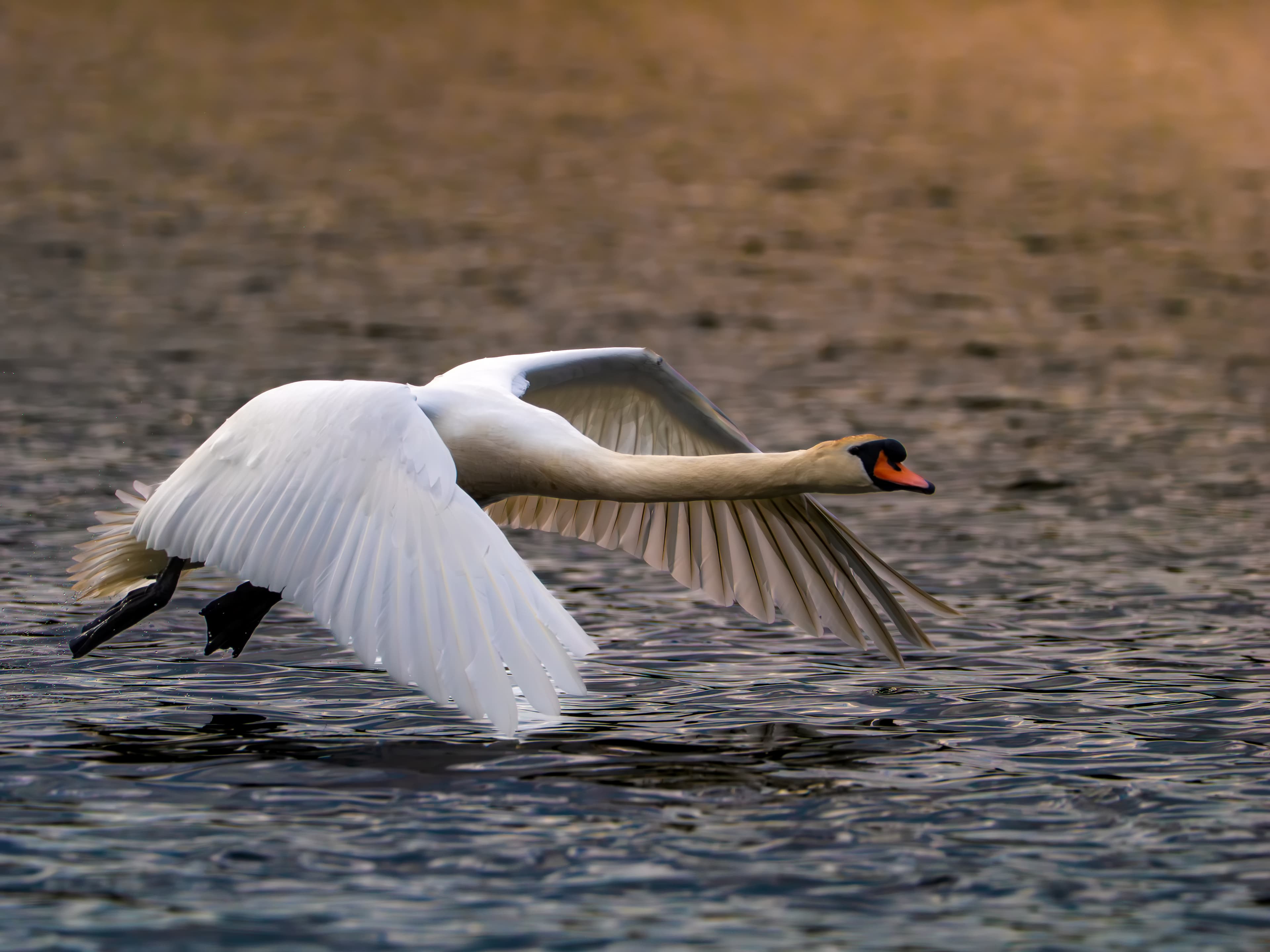
Sony FE 200-600mm f/5.6-6.3 G OSS
Outstanding super-telephoto zoom with internal zoom design and excellent sharpness throughout the range. After eighteen months of wildlife shooting on Sony bodies, this is still the lens I'd recommend to anyone — beginner, enthusiast or working pro — buying their first serious wildlife setup.
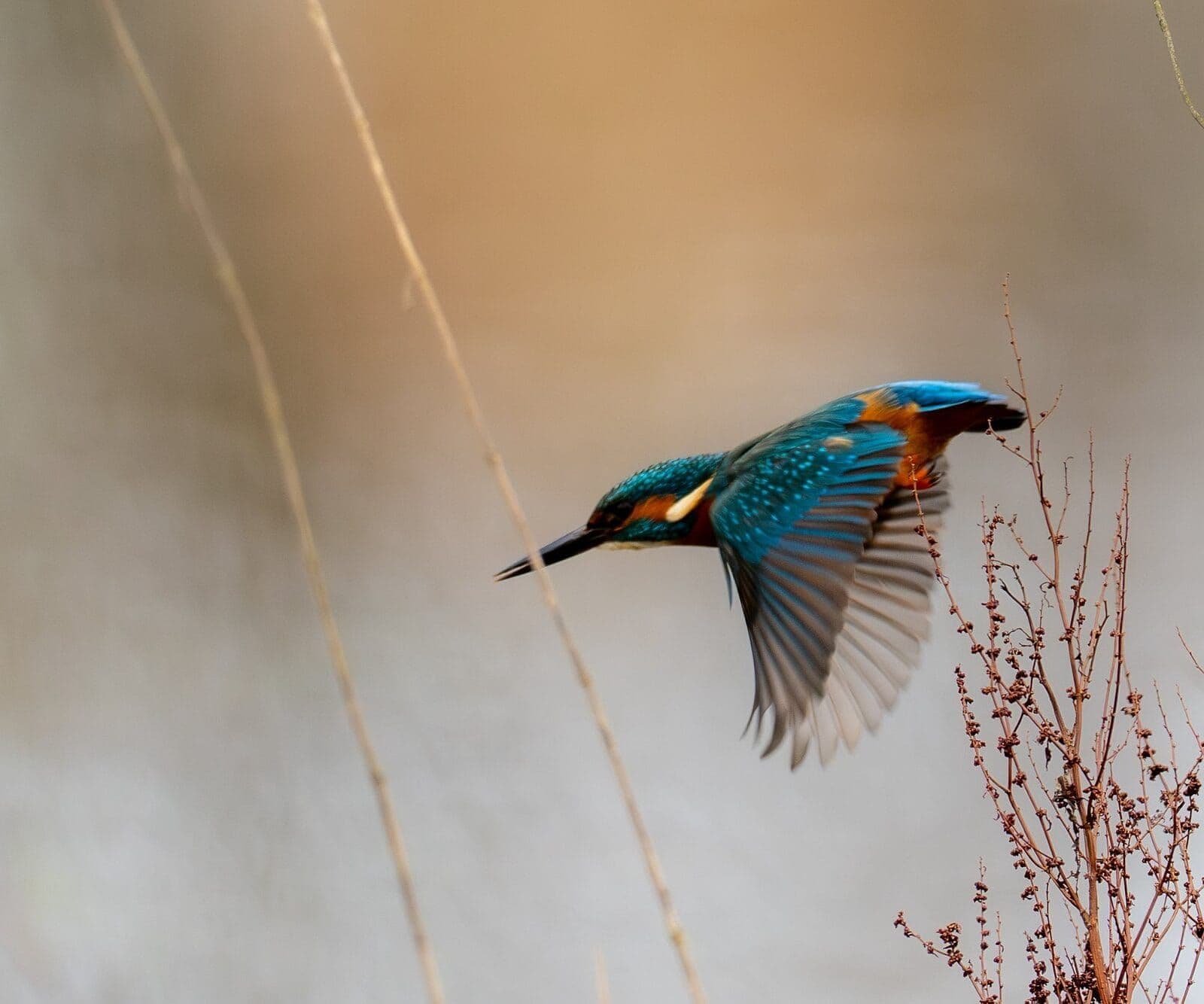
Sigma 500mm f/5.6 DG DN OS Sports
A 500mm prime that has largely replaced my Sony 200-600mm thanks to its remarkable portability, but the 3.2m minimum focus distance, lack of teleconverter support on Sony, and 15fps burst cap hold it back from perfection.
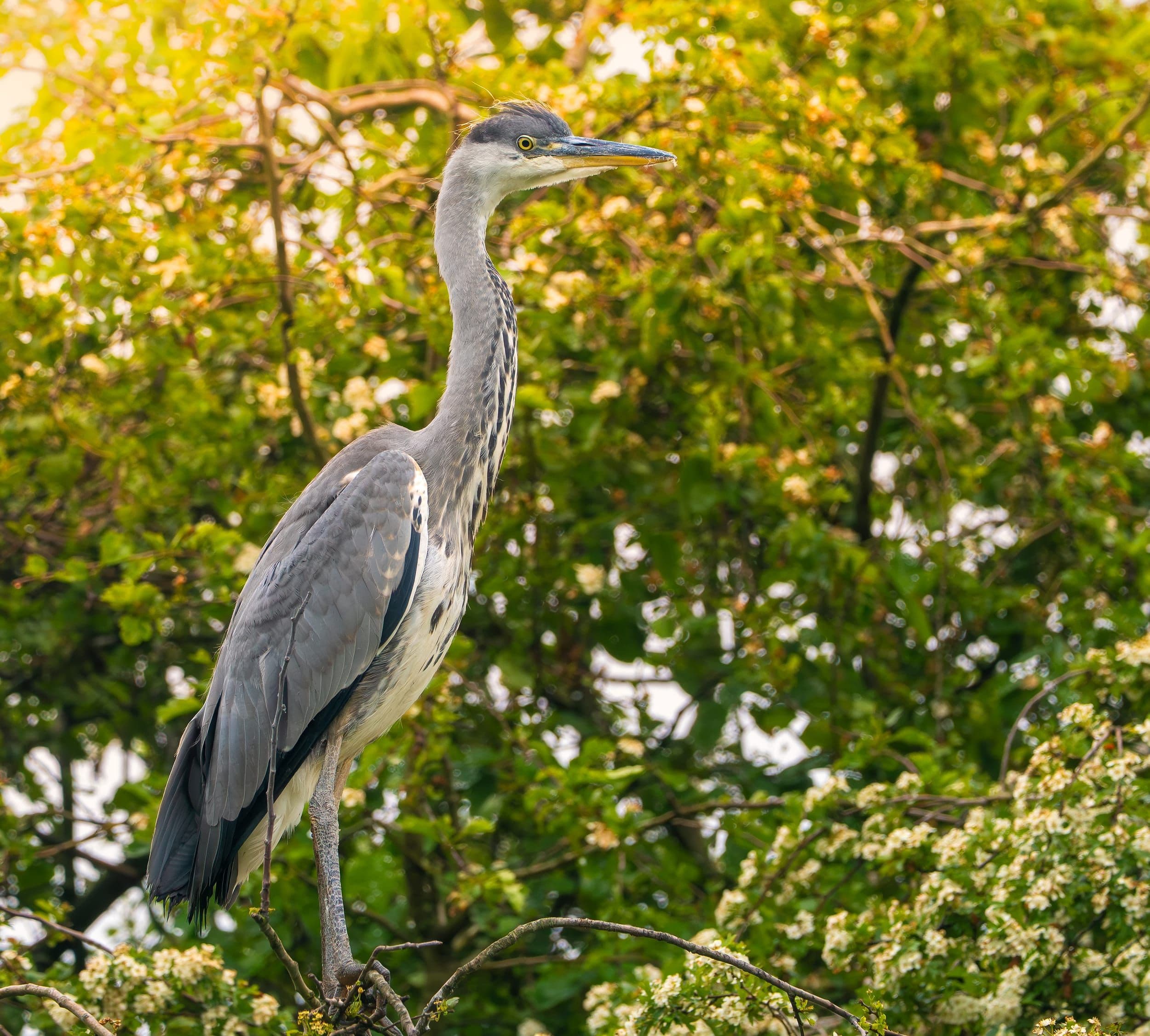
OM System M.Zuiko 300mm f/4 IS Pro
600mm-equivalent f/4 reach in a sub-1.3kg package. AF that locks on through branches where Sony and Sigma rivals struggle, 1.4m close focus that handles dragonflies and reed buntings on the same trip, and Sync IS for handheld work in any weather.
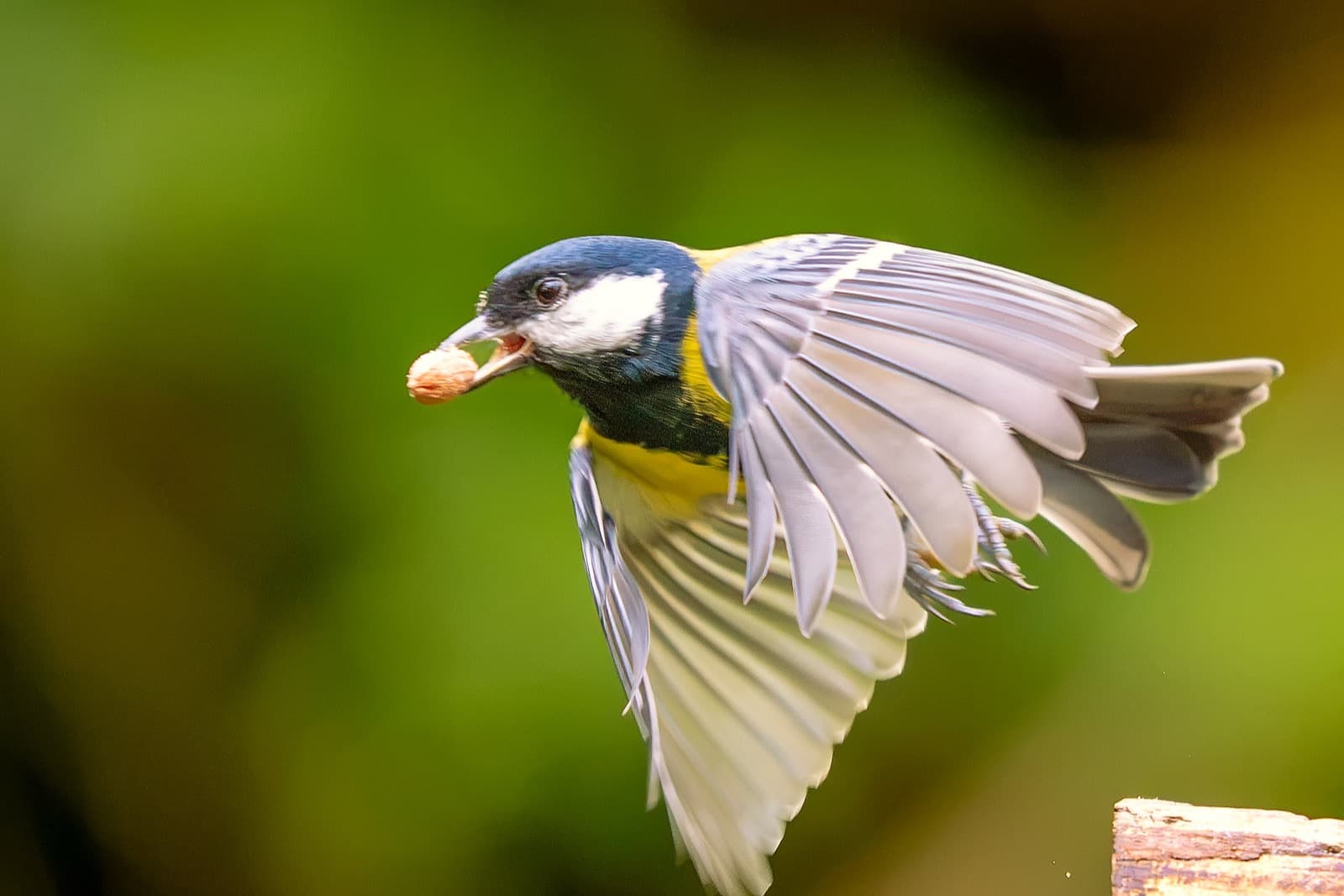
OM System M.Zuiko 50-200mm f/2.8 IS Pro
A constant-f/2.8, 100-400mm-equivalent wildlife zoom that combines fast bird-in-flight autofocus, internal zoom handling and 0.78m close focus in a 1,075g lens. Expensive, but unusually capable as a single handheld lens for birds, larger wildlife and low-light work.
More Reviews on the Way
I'm working on detailed reviews of the rest of my kit. Check back soon for in-depth field tests with sample images.
How These Reviews Are Done
Every piece of kit reviewed here is owned and used in the field — there are no loaners, no sponsored placements, and no affiliate-driven rankings. A camera or lens earns a review on this site by being used for several months across multiple reserves and seasons, in the conditions that actually matter for UK wildlife photography: cold early-morning starts, damp hides, backlit subjects against bright water, and the unforgiving light of an overcast Lancashire winter.
Sample images embedded in reviews are real shots from real sessions at the locations linked from each review, not cherry-picked studio examples. Specifications come straight from the manufacturer; everything else — autofocus reliability, ergonomics, what the kit actually feels like to use for hours — is a personal judgment based on real use.
If there's a specific camera, lens, tripod, or accessory you'd like to see reviewed — or compared against something already covered here — please send a suggestion. Requests for kit that fits the wildlife photography brief and is realistic to acquire get added to the review queue.
Wildlife Photography Equipment — Common Questions
Quick answers to the questions I'm asked most often about choosing cameras, lenses and kit for wildlife photography in the UK.
What camera do I need for wildlife photography in the UK?
For UK wildlife — birds at thirty metres rather than big game up close — autofocus reliability and reach matter far more than headline resolution. You don't need a flagship to start: a capable mid-range body like the Sony A6700, Sony A7 IV or OM System OM-1, paired with a long zoom such as the Sony FE 200-600mm, will out-perform a top-tier body on a short kit lens. Put the budget into reach and a dependable AF system first.
What lens should I buy first for wildlife photography?
Glass before bodies. A great lens on a modest body produces images that hold up; a modest lens on a great body doesn't — and good lenses outlast two or three camera bodies. For UK birds and mammals a 500-600mm reach is the realistic minimum. The Sony FE 200-600mm is the obvious all-rounder, and the Sigma 500mm f/5.6 DG DN OS Sports is a lighter prime that punches well above its price. Both are reviewed in detail here.
Is full-frame or Micro Four Thirds better for wildlife photography?
Neither is simply better — they are different tools. Full-frame Sony bodies like the A1 win on resolution, low-light performance and lens choice, but they are bigger, heavier and more expensive. OM System Micro Four Thirds bodies trade some sensor size for a 2x crop that doubles your effective reach, computational features like Pro Capture, and roughly half the kit weight. I carry both and choose by the day; the camera reviews here work through the trade-off in detail.
Do I need a tripod for wildlife photography?
Less often than you would think. I own a tripod and a monopod and rarely carry either — modern in-body and in-lens stabilisation, plus the shelf supports in most hides, handle the great majority of UK wildlife work hand-held, and the weight you save over a four-hour reserve walk is worth more than the occasional steadier frame. A tripod earns its place for static set-ups — a fixed perch, video, or very low light — rather than general fieldwork.
What is a good budget setup for wildlife photography in the UK?
Spend on reach and autofocus, not the body badge. A mid-range body such as the Sony A6700 or OM System OM-1 with the Sony FE 200-600mm, or an OM-1 with the 300mm f/4 Pro (600mm equivalent), gives you flagship-grade results for UK birds at a sensible price. APS-C and Micro Four Thirds crop sensors also stretch your reach for free, which matters more than resolution when the subject is small and distant.