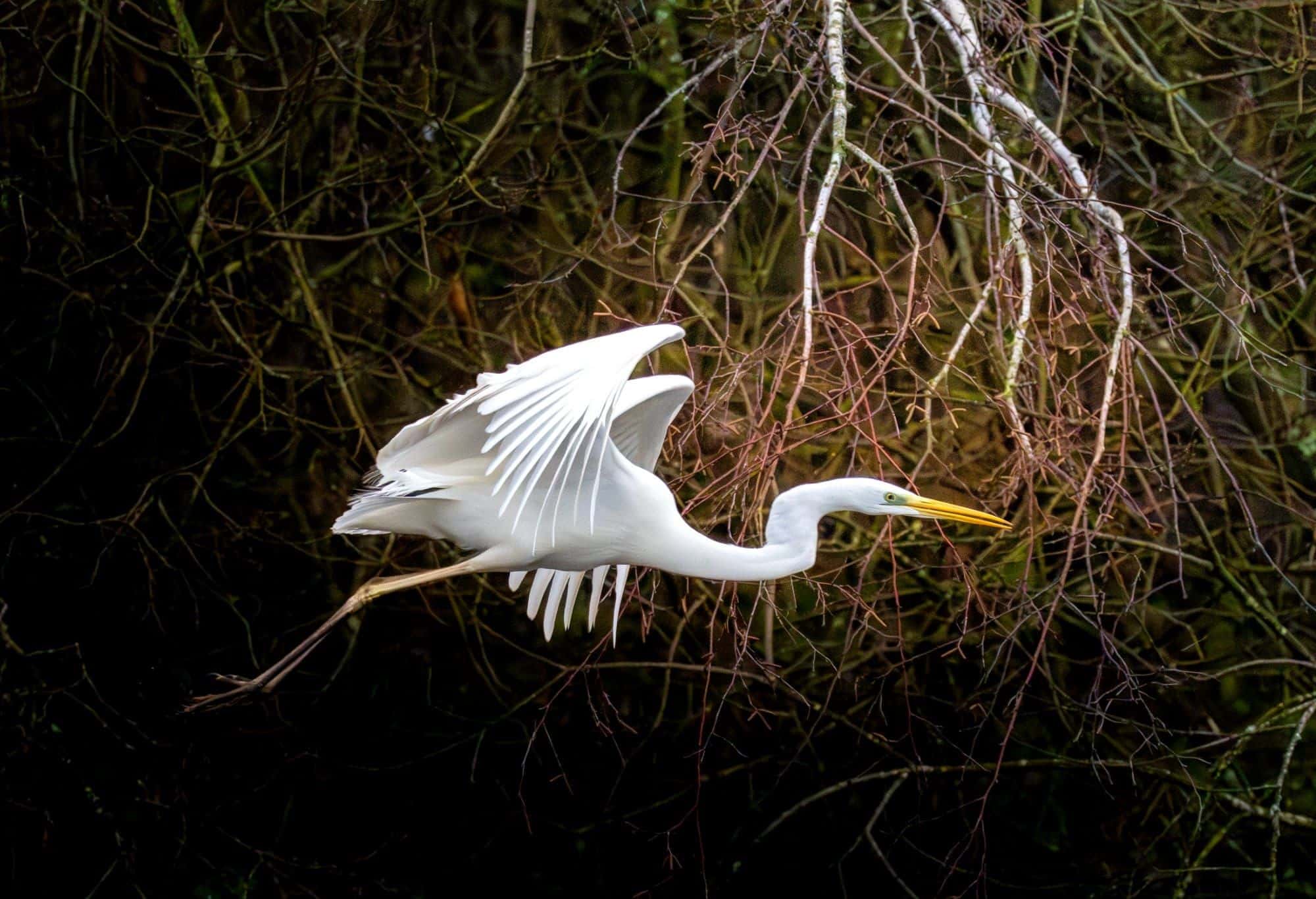
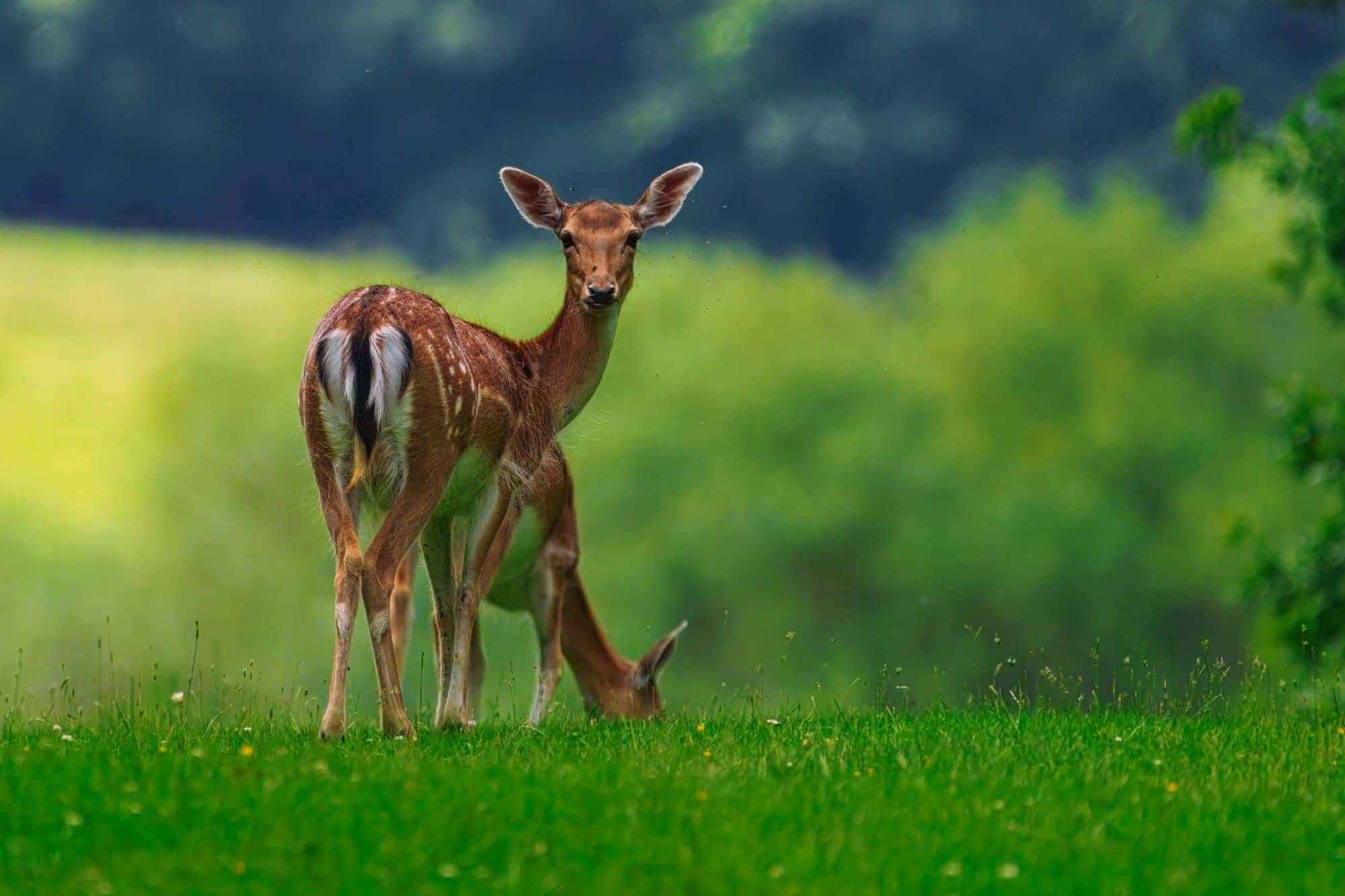
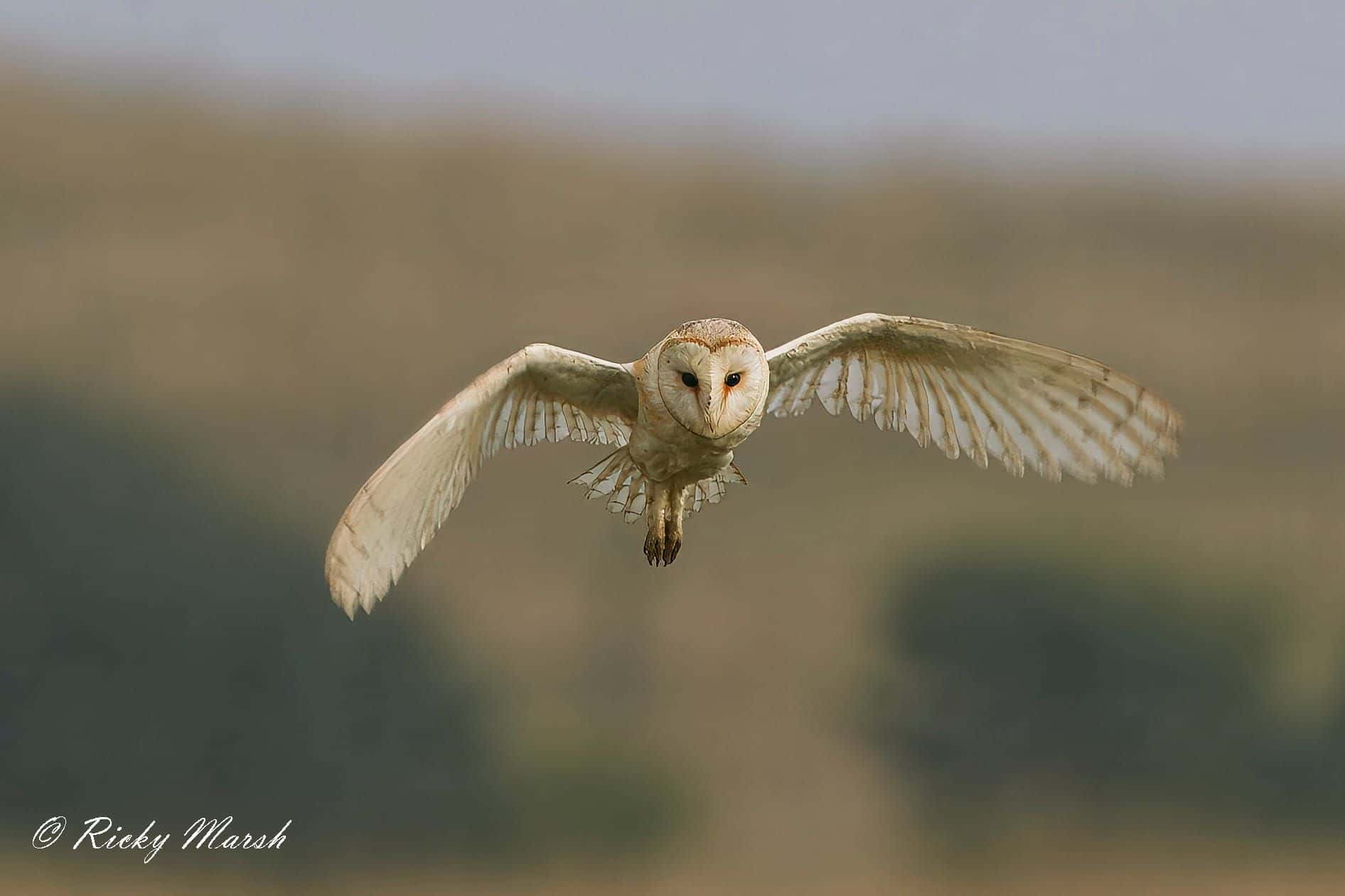
I've been to RSPB Leighton Moss four times now — all over the past year, all dawn raids. I drive down with the goal of being in a hide before first light, around 5 am, while most of the world is still asleep. I'm always alone when I go. It's more peaceful that way, and I can do my own thing without working around anyone else's pace or shot list.
What Leighton Moss Actually Is
RSPB Leighton Moss sits on the edge of Silverdale, on the Lancashire–Cumbria border, tucked between the Arnside and Silverdale AONB and Morecambe Bay. It is the largest reedbed in north-west England — and that single fact is why every species the reserve is famous for actually breeds there. Bitterns need reedbeds of a certain size to boom and breed. Marsh harriers need the open reedbed-and-scrape mosaic. The reserve is essentially a series of meres, channels and reedbeds with a network of well-built hides spread along the eastern side, plus a satellite site about a mile away (Eric Morecambe and Saltmarsh Pools) which I have not yet been to and so won't pretend to know.
The conservation paperwork backs up what your eyes tell you. Leighton Moss is a Site of Special Scientific Interest and part of the Morecambe Bay wetlands recognised under the international Ramsar convention — habitat considered important not just nationally but internationally, particularly for its breeding bittern and marsh harrier and its wintering wildfowl. It has been managed by the RSPB since 1964, making it one of the society's longest-held reserves in England.
Visitor essentials, briefly: the reserve is open dawn to dusk daily, with the visitor centre, café and shop running roughly 9:30am to 5pm. Entry is free for RSPB members; non-members pay a day rate (around £10 for adults — check the official RSPB Leighton Moss page for current prices). Parking is free for members, about £5 otherwise, with disabled spaces by the visitor centre. The address is Myers Farm, Storrs Lane, Silverdale LA5 0SW, and — unusually for a nature reserve — the train works: Silverdale station on the Furness line is only a short walk from the entrance. All the main hides are wheelchair accessible with ramped access, and mobility scooters are available to borrow.
My Routine
I arrive in the dark. Just after 5 am in summer, before the first cars in the car park, before the visitor centre is open. The reserve itself is open dawn to dusk so you walk straight in. I tend to leave before 11 am — by then the light goes flat, the action thins out, and the families and walkers start arriving. Dawn-and-out is, for my money, the only honest way to photograph this place if you're serious about it. The species I want — marsh harriers in particular — are most active in the first three hours of light, hunting low over the reedbed before the sun climbs and the haze rises off the water.
The Hides
I have kept an open mind about the hides because I have only been four times. I haven't done the heavy research a lot of photographers do before they arrive, and I think that has actually been good for me — I work the reserve with my eyes, not someone else's blog post.
Causeway Hide
The Causeway is my favourite. It is also, predictably, the busiest hide on the reserve. There is a reason both of those things are true. The Causeway puts you between two open water bodies with reed channels feeding in from either side, so you get a wider range of action than the more focused hides — wildfowl, harriers quartering low, occasional bittern flushes, and the bearded tit grit feeder pulling birds in at the right time of year. If you are new to the reserve, start at the Causeway. If you are a regular, you will still spend a third of your morning there. The downside is space — on a busy weekend you can wait for a window seat. Get there at first light and you'll have it to yourself for the first 45 minutes, which is when the marsh harriers are flying anyway.
The other hides
Lilian's, Lower, Tim Jackson and Grisedale — some I know better than others. Where I've sat and watched I've written it up first-hand; where I've only passed through, I've said so plainly and will do dedicated dawn sessions to fill the gaps. For now, here is the framework and what I already know about each. To get your bearings before you arrive, it's worth downloading the official RSPB reserve map and trail guide, which shows where each hide sits and how the trails connect.
Lilian's Hide
Lilian's is the hide closest to the car park, and as it's accessible by wheelchair it's the easiest option if you're less mobile. I'll be honest — I've never spent much time in here myself. I tend to walk straight past it and head up the sky tower, where the wide view out over the water is what I find far more rewarding to shoot from.
Lower Hide
Lower Hide is the most distant of the hides. To reach it you pass the Causeway to the farthest fence line, then turn left through a gate and follow the track. It looks like one of the newer hides and overlooks the water. While I was there I watched a marsh harrier — my favourite bird to see at the reserve — along with herons and swans. It was a peaceful spot to sit.
Tim Jackson Hide
Tim Jackson is usually my first hide at dawn. Herons are normally close in to the hide, and on one visit a marsh harrier showed. If you're out as early as I am — in the hide before 6am — it's lovely and quiet, which is half the reason I start here. It also has a reputation as one of the better hides on the reserve for otters, though that's not something I've been lucky enough to see for myself yet.
Grisedale Hide
Grisedale is a hide I like more the earlier you get there. The deer sit on the far side of the water, comfortably within reach of a 600mm lens, so you can come away with good images of them. There are also cormorants in the trees to the right. Get there around 6am for a peaceful morning and you should have the hide to yourself. It also has a reputation as a strong spot for bittern, though I've yet to land a proper bittern session here myself.
Eric Morecambe and Saltmarsh Pools complex
A separate site about a mile from the main reserve, accessed via its own car park near Crag Foot. It has two hides — the Allen Hide and the Eric Morecambe Hide — looking out over saltmarsh pools that are famous for waders such as avocet, lapwing, redshank and black-tailed godwit, and are seasonally important for autumn passage migrants and winter wildfowl. I'll be straight with you: I haven't visited either hide yet. Both are firmly on my list for my next trip, and once I've sat in them properly I'll replace this with a first-hand account.
Headline Species and Honest Results
Bittern
I have seen one. It was too far away to make a reasonable photograph — and that is a typical Leighton Moss bittern story. They show, but rarely close. The Causeway and Lower hides are your best chance for a flight pass. Reading other photographers' accounts honestly, getting a proper bittern image here is a multi-visit project rather than a single-morning win.
Roe deer — the unexpected encounter
On my second visit, walking between hides at first light, I came across a roe deer standing right in front of me on the path. It let me work the camera, frame after frame, as the light climbed. That kind of encounter is the small, repeating reason photographers keep coming back to Leighton Moss — the reserve has a habit of giving you the species you didn't drive there to photograph, often closer than the one you did. Have your camera up and ready before you reach the first hide. Don't pack it in the bag for the walk in.
Marsh harrier
I have seen marsh harriers on every visit, and they are my photographic target for this place. Same problem as the bittern: distance. They quarter low over the reedbed, often 100–200 metres from the hide. With my Sony 200–600mm at the long end I can frame them, but the pixels are working hard. Next time, I am packing my teleconverters. The decision I have made — and this is hard-won — is that I would rather shoot at 1/3200th and push the ISO as high as it needs to go (I will happily run to 12,000 if that is what the morning demands), get a sharp slightly-noisy image and clean it up afterwards in DxO PureRaw or Topaz Photo AI, than drop the shutter to keep the ISO sensible and end up with a soft frame. **A noisy sharp image can be saved. A blurred image cannot.** If there is one thing I would tell a less experienced photographer about Leighton Moss specifically, that is it. The harriers are at distance, the dawn light is marginal, and you cannot afford to be soft.
Bearded tit
Reliable around the Causeway grit feeders, especially in autumn when the reserve puts out the grit the birds need for digestion on raised tables. That single piece of management brings them closer than they ever would otherwise.
Otter
I have not seen one yet. They are present, they are reported regularly, but they are unreliable. Anyone who tells you Leighton Moss guarantees otter shots is selling you something.
Starling murmuration
I have not yet experienced this — it is on my winter list. When I do come for it, it will be a video shoot rather than a stills shoot. A static image of fifty thousand starlings looks like static on an old TV. The shape and motion is what makes a murmuration extraordinary, and that is video work.
Seasonal Calendar
Spring (March–May)
The booming bittern window. Marsh harriers establishing breeding territories. Spring migrants arriving. This is, in my opinion, the strongest season at Leighton Moss for serious photography.
Summer (June–August)
Breeding plumage, fledged young, the reedbed at full song, dragonflies on the path edges, otters more commonly seen on hot still mornings. Light becomes a problem after 8 am — you have to be in the hide at 5.
Autumn (September–November)
Passage waders at the Eric Morecambe and Saltmarsh complex, winter wildfowl arriving, starling murmurations starting up, gold light on the reedbed for the few weeks before the leaves drop.
Winter (December–February)
Murmuration peak, marsh harriers easier to see against bare reeds, hen harriers occasionally roost, water rails skulk in iced channels. Cold mornings, but stunning if you can stand them.
Photography Kit (What I Actually Carry)
I run two systems and I take both.
OM System OM-1 Mark II with M.Zuiko 300mm f/4 Pro
Equivalent to 600mm full-frame, with sensor stabilisation that genuinely earns its reputation. Light, weather-sealed, faster to deploy than the Sony — this is the body I pick up first when something happens at the Causeway feeder.
Sony A1 with FE 200–600mm G
The reach machine. When the marsh harrier is at 200 metres over the back reedbed, this is the only thing that is going to bring it close. Heavier, slower to bring up, but the sensor and AF are best in class for this kind of work.
No tripod, no monopod
I own a tripod and a fairly expensive monopod. I do not carry either. There is a real limit to how much weight you can comfortably carry on a four-hour reserve walk, and adding a monopod to two camera bodies and a 200–600 means you arrive tired before you have taken a single shot. Hand-held, with both bodies' built-in stabilisation, has been good enough for everything I've shot here. The hides have decent shelf supports if you really want a steady frame.
Teleconverters — going in the bag next time
The 1.4x on the 200–600 takes you to 840mm. Useless in dawn light; usable once the sun is properly up. The reason I am packing them next time is that the marsh harrier action often persists into the 7–9 am window when the light is suddenly working in your favour and 600mm is suddenly not enough.
Practical Information
Parking is free for RSPB members and charged for non-members at the time of writing — check the RSPB Leighton Moss page for current rates. The car park is large and rarely full at the times I go; arriving for first light, you will have it to yourself. Entry is free for members; day rates apply for non-members at the visitor centre when it opens.
The reserve itself is open dawn to dusk every day. The visitor centre, café (Lillian's) and shop run on standard hours. There is a toilet at the back of the main entrance building that is accessible even when the shop is closed — useful at 5 am.
I have not personally used the café or shop, simply because I am long gone before they open. By all accounts both are well-regarded.
The hides are well-maintained and easily accessible. Paths between them are flat and well-surfaced — Leighton Moss is genuinely one of the more accessible RSPB reserves, particularly the Causeway.
How It Compares
If Pennington Flash is the working-class urban gem and Martin Mere is the wildfowl spectacle in landscaped grounds, Leighton Moss is the wild reedbed reserve where you go for serious species. Bitterns, marsh harriers, bearded tits, otters — none of these are easy at any of the three sites, but Leighton Moss is where they breed, where they boom, where they reliably show. It is a different kind of trip. You go to Pennington for kingfishers and the morning ritual. You go to Martin Mere for swans and accessible quality. You go to Leighton Moss for the reedbed specialists, the dawn light over reeds, and the patience.
The Bottom Line
Leighton Moss is the most serious of the three north-west reserves I photograph. If you only have one chance, pick a still spring morning in May, arrive at 5 am, head straight to the Causeway, and stay until 9. Bring more reach than you think you need. Don't drop your shutter speed to chase ISO. Pack a flask. Don't carry a tripod. You'll come back.