OM System 50-200mm f/2.8 IS Pro Review
A constant-f/2.8, 100-400mm-equivalent wildlife zoom that combines fast bird-in-flight autofocus, internal zoom handling and 0.78m close focus in a 1,075g lens. Expensive, but unusually capable as a single handheld lens for birds, larger wildlife and low-light work.
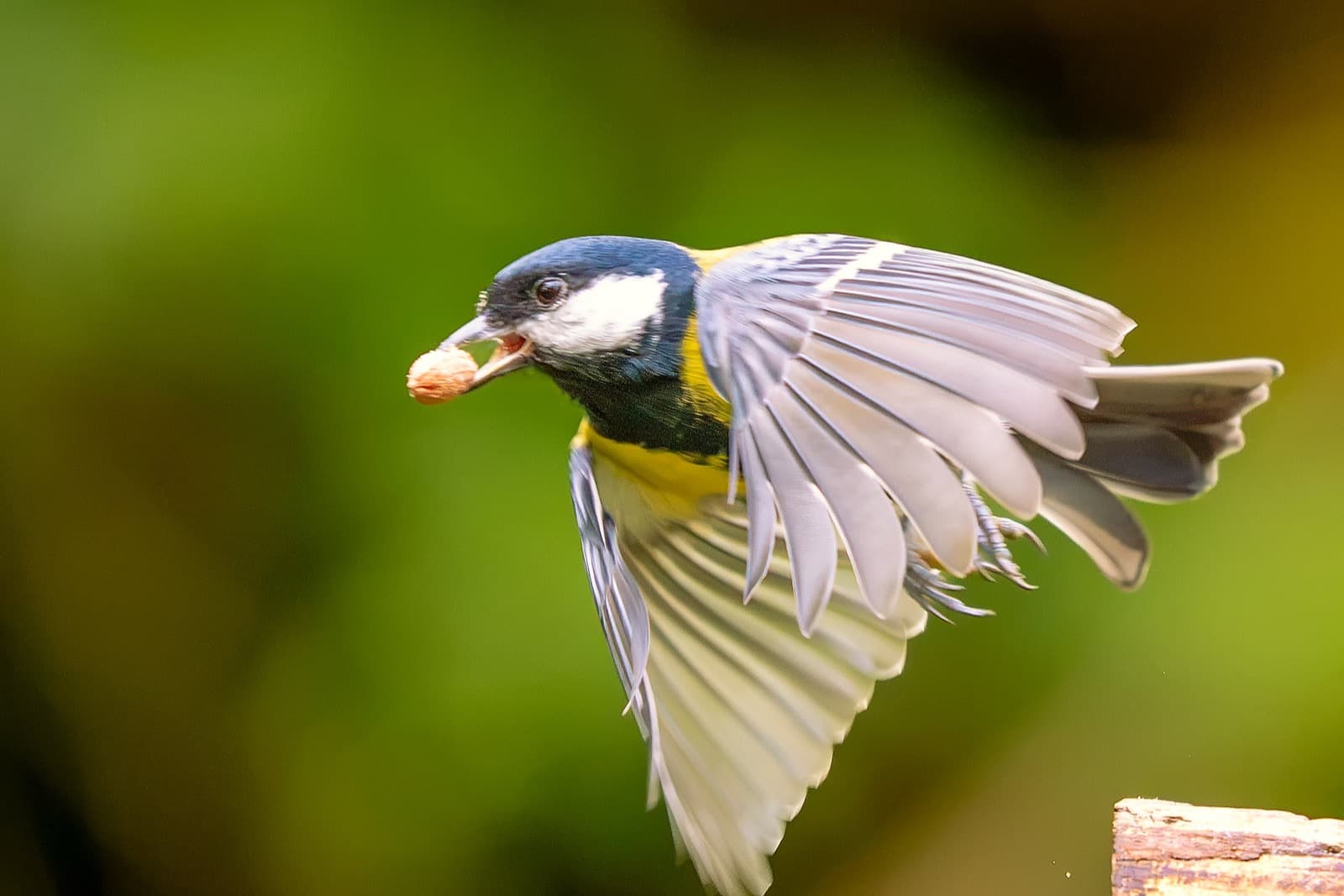
Great tit carrying food in flight at Pennington Flash — photographed by Ricky Marsh
The OM System M.Zuiko 50-200mm f/2.8 IS Pro fills a gap that has existed in the Micro Four Thirds system for years. It gives the angle of view of a 100-400mm lens, keeps a constant f/2.8 aperture throughout the zoom range and weighs 1,075g without the tripod collar. On an OM-1 Mark II it is a serious handheld wildlife setup rather than a lens that only makes sense from a hide or tripod.
For my photography, its strongest argument is not simply reach. I already own the excellent 300mm f/4 IS Pro, which remains the better option when I know I need 600mm-equivalent framing. The 50-200mm earns its place when birds are moving quickly and unpredictably, when the distance changes, or when I need to pull back from a tight portrait to include behaviour and habitat. The constant f/2.8 aperture is the other major advantage: it helps keep shutter speeds high without forcing the ISO up as quickly in woodland, dull weather and the first or last light of the day.
Birds in Flight at Pennington Flash
Small birds close to a feeding area are a severe autofocus test. They accelerate without warning, cross branches and clutter, and can travel from one side of the frame to the other almost instantly. The 100-400mm-equivalent range is far easier to work with here than a fixed 600mm-equivalent lens because I can find the bird at the wider end, begin tracking and then tighten the frame if there is time.
The flight photographs in this review are from my own Flickr photostream. The single great tit carrying food shows the level of feather detail the combination can hold during a fast approach. The frame with two great tits in flight is the more difficult tracking test because the camera has competing subjects and a perch in the foreground. The blue tit flying towards the camera is exactly the sort of head-on movement that exposes a slow lens or hesitant autofocus system.
The lens supports autofocus tracking at up to 50 frames per second on the OM-1 Mark II and OM-3. That matters for birds in flight because it allows the body to perform at its intended speed rather than becoming the limiting part of the system. More frames are not a substitute for timing or technique, but when a small bird gives you a fraction of a second, a fast sequence improves the chance of catching the best wing position.
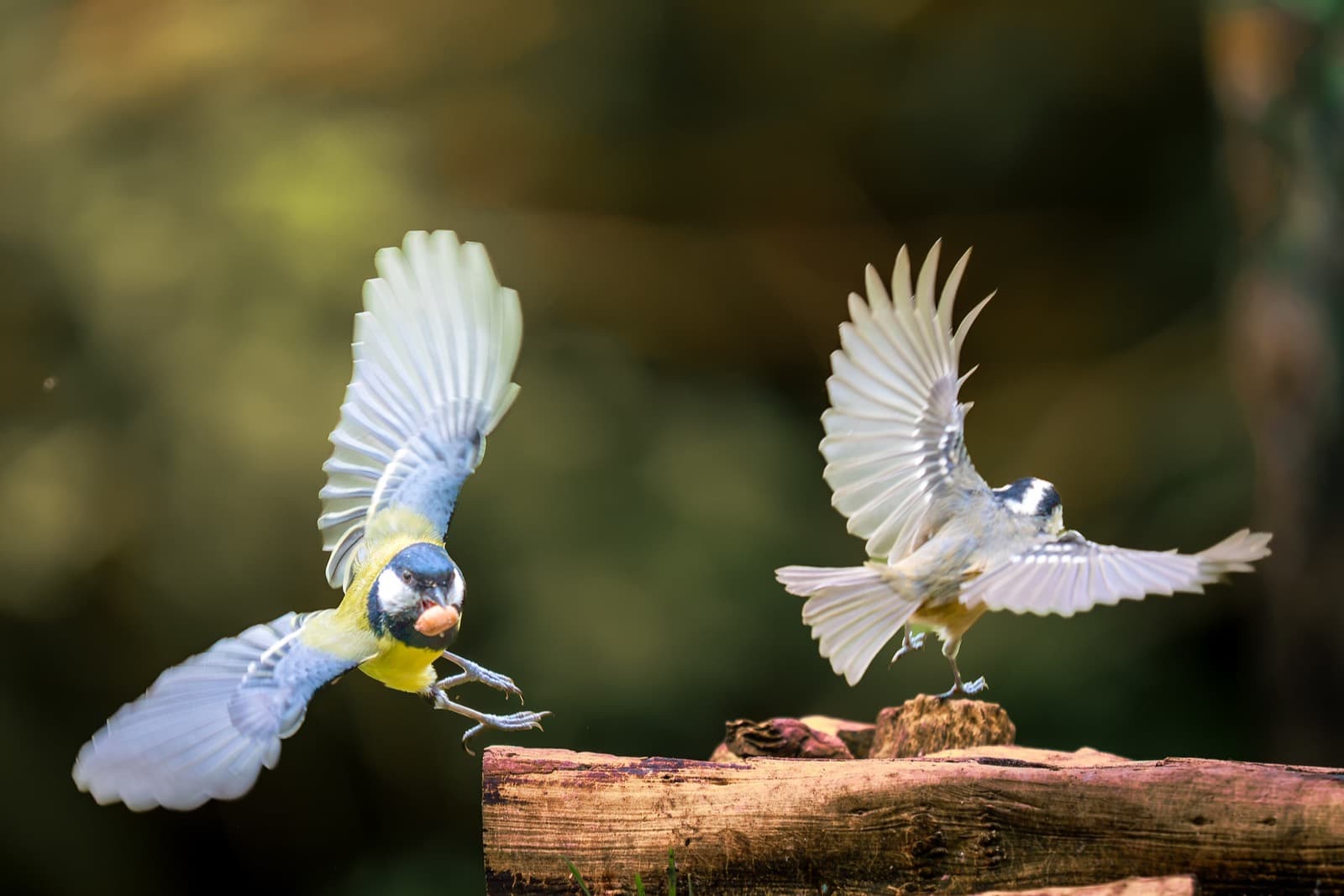
Two great tits arriving together — a demanding multi-subject autofocus test
Handling and Balance
This is not a tiny lens. It is 225.8mm long, weighs 1,075g without the tripod collar and 1,250g with it fitted. Even so, the weight is sensible for a constant-f/2.8 telephoto that reaches 400mm equivalent. The internal zoom is important: the barrel does not extend, the balance changes very little as you zoom and there is no front-heavy shift just as a bird changes direction.
I would describe it as a lens for all-day handheld wildlife work, but not as a casual walkaround lens. The removable Arca-Swiss-compatible foot is useful on a monopod or gimbal and also makes a practical carrying handle. Four L-Fn buttons can be reached in horizontal or vertical orientation, while the focus limiter and dedicated AF/MF switch keep the controls direct. The preset-focus function is particularly useful when a bird repeatedly returns to the same perch.
OM System rates the lens to IP53 when it is paired with a suitably sealed body, and it is freezeproof to -10C. That is a meaningful advantage for UK wildlife photography. Rain, spray and mud are normal working conditions, not unusual emergencies, and the fluorine-coated front element is easier to wipe clean in the field.
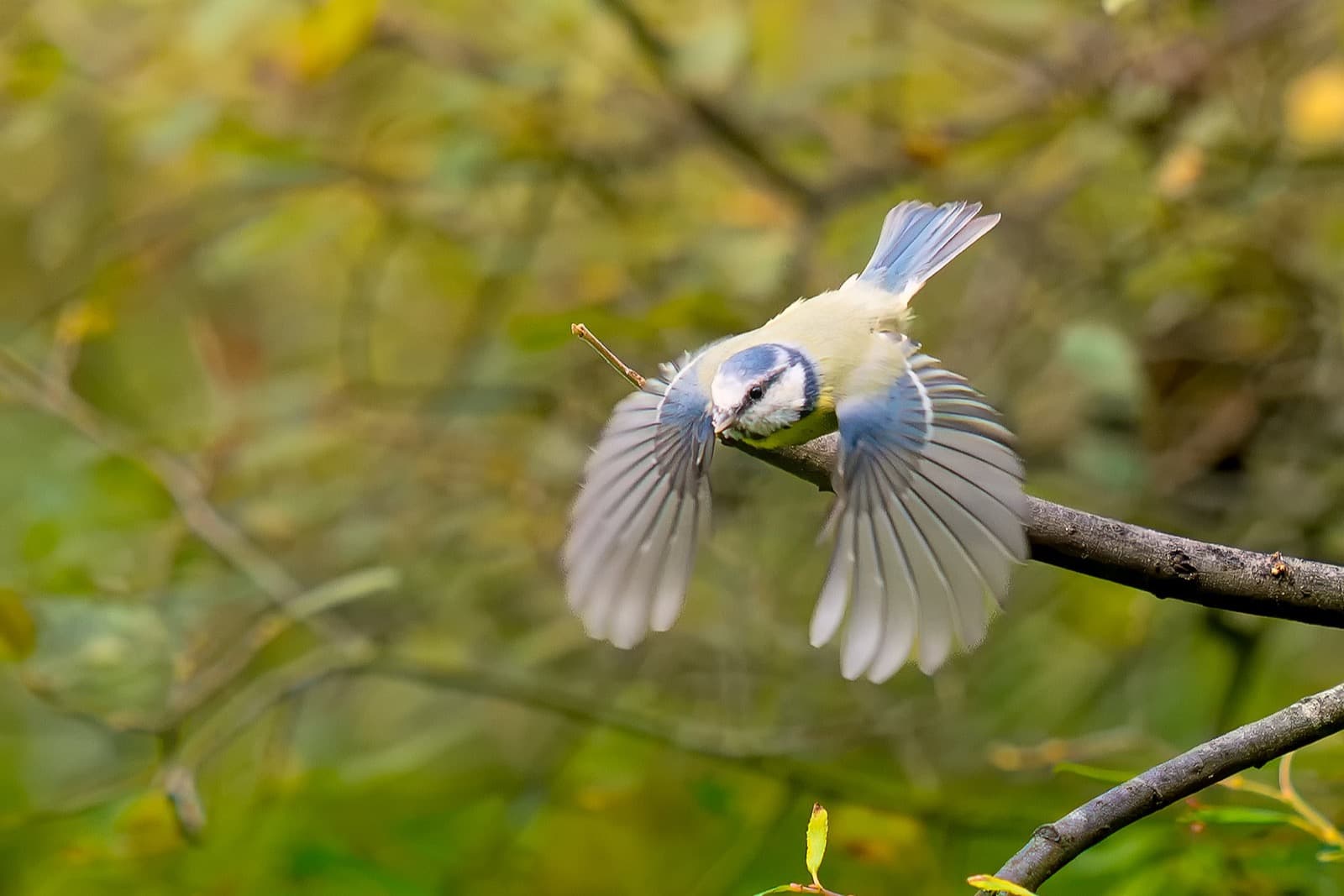
Blue tit flying towards the camera — head-on movement with wings fully spread
Image Quality and the f/2.8 Advantage
The lens is designed to be used wide open. At f/2.8 it gives the shutter speed advantage I want for moving wildlife, while the long focal length still produces clean subject separation. The practical gain is one stop over an f/4 lens and two stops over f/5.6: at the same shutter speed, that can mean ISO 1600 instead of ISO 3200 or ISO 6400. On Micro Four Thirds, where high ISO quality is the system's main compromise, that extra light is more useful than chasing a slightly lighter lens.
It is worth being precise about equivalence. The exposure is genuinely f/2.8, but at the same framing and subject distance the depth of field is closer to what a 100-400mm f/5.6 would produce on full frame. That is not a disadvantage for every wildlife photograph. A little more depth of field can keep both eyes, the beak and more of a moving wing sharp while the background still falls away at the long end.
The optical design uses 21 elements in 13 groups and OM System's ZERO Coating II to control flare and colour bleeding. More important in use, the lens remains consistent across the zoom range. I do not need to treat 200mm as an emergency setting or stop down before expecting a sharp frame.
Close Focus and Other Wildlife
The 0.78m minimum focus distance applies throughout the zoom range. At 200mm the lens reaches 0.25x actual magnification, equivalent to 0.5x in full-frame terms. That makes it useful for dragonflies, butterflies, reptiles and detail photographs without changing to a macro lens. It also avoids the frustrating situation where a bird lands too close for a conventional super-telephoto to focus.
Focus stacking is supported for static close subjects. I would not buy the lens primarily for macro work, but this capability makes the 50-200mm much more than a bird lens and strengthens the case for carrying it as the only telephoto on a long day out.
Teleconverters: MC-14 and MC-20
With the MC-14 fitted, the lens becomes a 70-280mm f/4, giving a 140-560mm-equivalent range. This is probably the most balanced teleconverter combination for general wildlife because it adds meaningful reach while retaining a fast aperture.
The MC-20 turns it into a 100-400mm f/5.6, equivalent to 200-800mm. That is an extraordinary range from a relatively compact system, and maximum equivalent magnification rises to 1x. The trade-off is the expected two-stop light loss, so the bare lens remains the better choice for fast action in poor light. I would fit the MC-20 when distance is the problem and conditions are bright enough, rather than leaving it attached automatically.
50-200mm f/2.8 vs 300mm f/4 Pro
These lenses overlap, but they solve different problems. The 300mm f/4 gives more reach without a teleconverter, weighs only around 195g more than the bare 50-200mm and remains my first choice for distant birds, subjects behind branches and situations where 600mm-equivalent framing is predictable.
The 50-200mm is the better lens for birds in flight at changing distances, larger wildlife, deer, zoo work, woodland and mixed days where a fixed 300mm can be too tight. It also replaces the older 40-150mm f/2.8 for much of my wildlife work: I lose 10mm at the wide end but gain 50mm at the long end, optical stabilisation, closer integration with Sync IS and a range that is much more useful for birds.
Who Should Buy It?
This lens makes the most sense for an OM-1 or OM-1 Mark II owner who wants one premium telephoto for wildlife, sport and outdoor action. It is especially strong for photographers who work handheld, photograph subjects at varying distances and value f/2.8 more than the native reach of the 300mm f/4 or 150-400mm f/4.5.
It makes less sense if nearly every subject is a distant small bird. In that case the 300mm f/4, 150-400mm f/4.5 or a slower long zoom may put more pixels on the bird without relying on a teleconverter. The £2,999 price is also substantial. This is not a budget alternative to the 40-150mm; it is a specialist professional lens whose value comes from combining aperture, zoom range, stabilisation and weather sealing in one package.
The Bottom Line
The M.Zuiko 50-200mm f/2.8 IS Pro is one of the most complete wildlife zooms available for Micro Four Thirds. It is fast enough for difficult light, wide enough to acquire an erratic bird, long enough for close and medium-distance wildlife, and compatible with both OM teleconverters when more reach matters. The internal zoom, 50fps tracking support and 5-axis Sync IS make it particularly convincing on the OM-1 Mark II.
The price and 400mm-equivalent limit without a converter stop it being the automatic answer for every bird photographer. But for the kind of varied, handheld wildlife work I do, it is a more useful lens than the specification alone suggests. It does not replace the 300mm f/4 for every outing; it gives me the flexibility that the prime cannot. That is exactly why it belongs in the kit.
Specifications and current UK price checked against OM System's official product page.
Pros & Cons
What I Like
What Frustrates Me
Specifications
Sample Images
More Wildlife Photography Equipment Reviews
Comparing options? Read my other field reviews: Sony A1 wildlife review, Sony A7R V wildlife review, Sony A6700 wildlife review, OM System OM-1 Mark II wildlife review, Sony FE 200-600mm f/5.6-6.3 G OSS wildlife review, Sigma 500mm f/5.6 DG DN OS Sports wildlife review and OM System M.Zuiko 300mm f/4 IS Pro wildlife review.
Sony A1
The best camera I've ever owned. The Sony A1's bird eye detection autofocus is in a class of its own for wildlife photography, and the 50MP sensor gives you the resolution to crop heavily and still produce stunning prints. Five years on, it still does everything I need.
Sony A7R V
An outstanding portrait, landscape and detail camera that also handles wildlife when speed isn't the priority. The 61MP sensor gives extraordinary cropping reach with the 200-600mm, but the non-stacked sensor and rolling shutter make this a complement to an A1 rather than a replacement.
Sony A6700
The Sony A6700 is a compact APS-C body with the same AI autofocus chip as the A7R V, a 1.5× crop factor that turns the 200-600mm into a 300-900mm equivalent, and exceptional video AF. It is the camera I should have started with — light enough to carry anywhere, capable enough for everything except flagship-class action and harsh-weather work.
OM System OM-1 Mark II
After twelve months of ownership — and several years of OM and Olympus bodies before it — the OM-1 Mark II is the camera I'd keep if I could only keep one camera system. Lighter than my Sony kit, completely weather sealed, and with autofocus on par with the A1, it covers wildlife stills, wildlife video, landscape and street photography in one body.
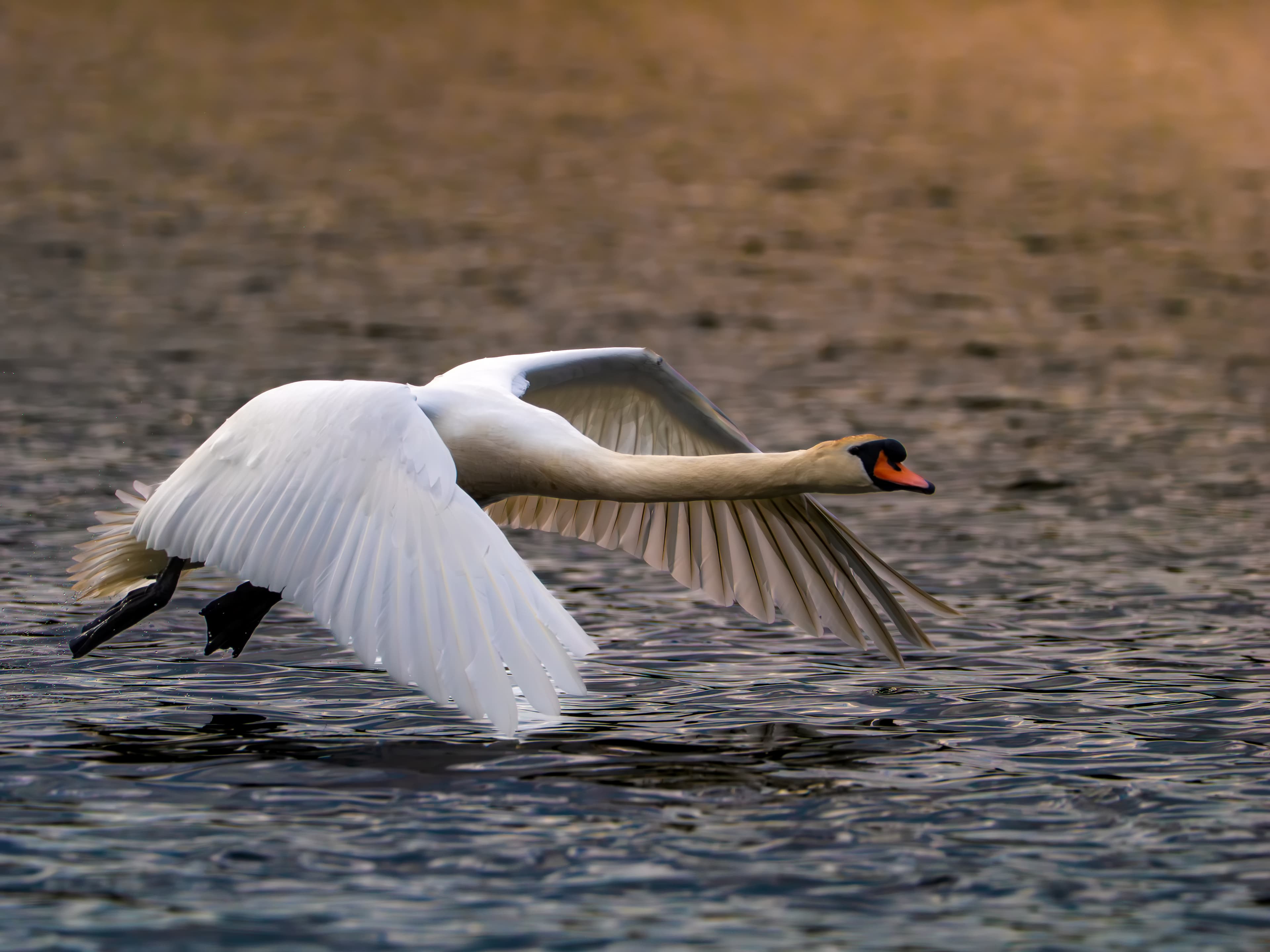
Sony FE 200-600mm f/5.6-6.3 G OSS
Outstanding super-telephoto zoom with internal zoom design and excellent sharpness throughout the range. After eighteen months of wildlife shooting on Sony bodies, this is still the lens I'd recommend to anyone — beginner, enthusiast or working pro — buying their first serious wildlife setup.
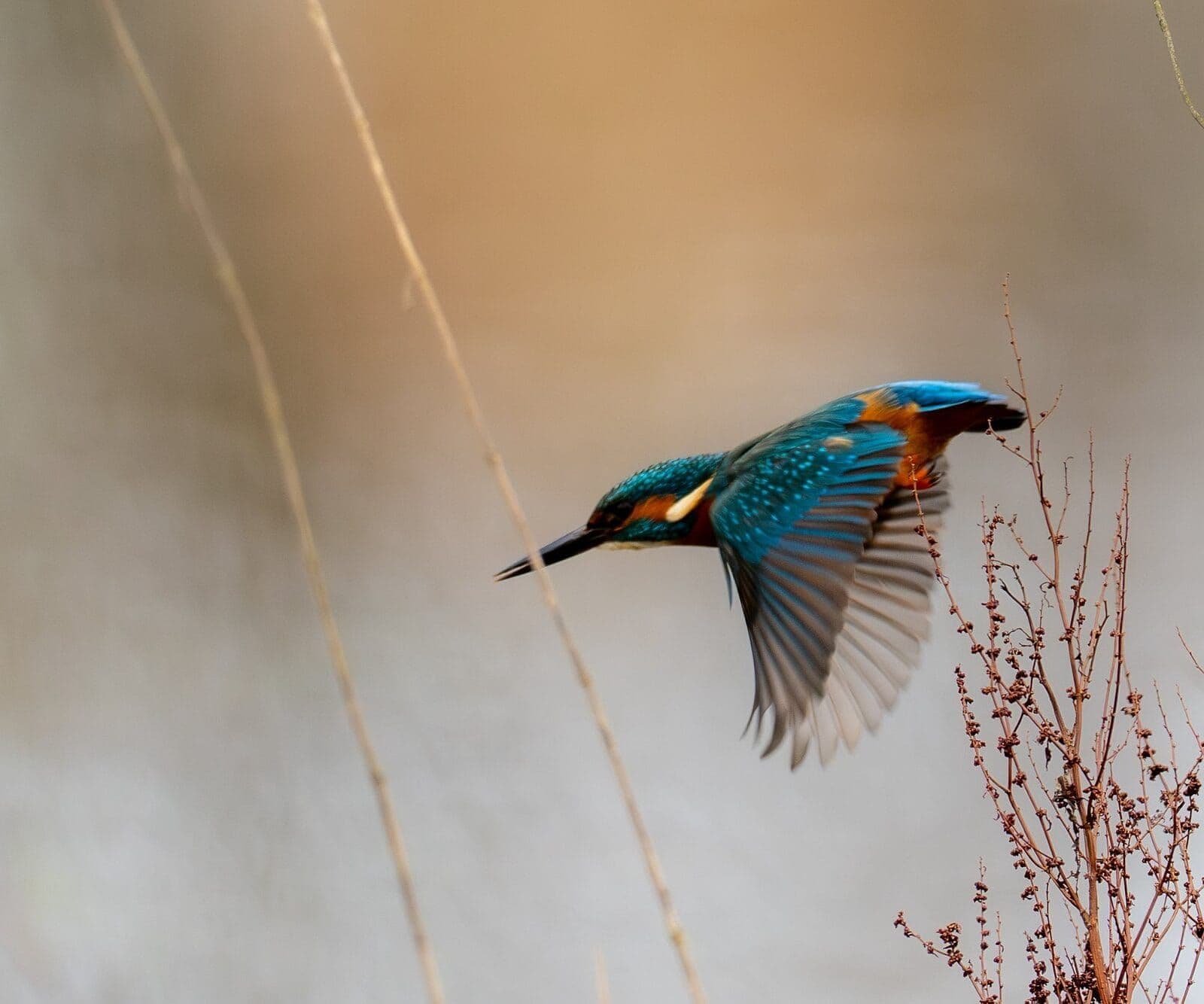
Sigma 500mm f/5.6 DG DN OS Sports
A 500mm prime that has largely replaced my Sony 200-600mm thanks to its remarkable portability, but the 3.2m minimum focus distance, lack of teleconverter support on Sony, and 15fps burst cap hold it back from perfection.
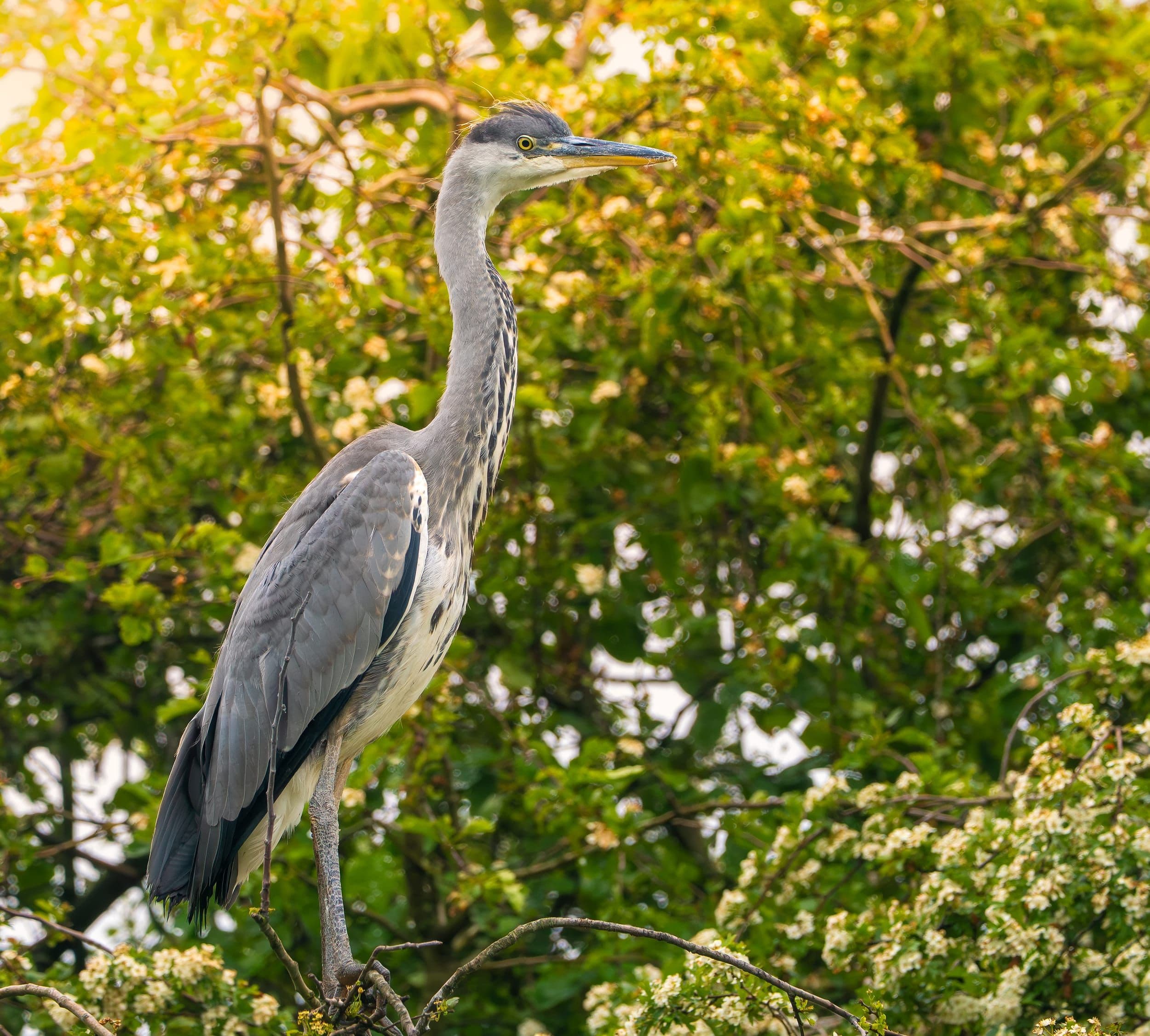
OM System M.Zuiko 300mm f/4 IS Pro
600mm-equivalent f/4 reach in a sub-1.3kg package. AF that locks on through branches where Sony and Sigma rivals struggle, 1.4m close focus that handles dragonflies and reed buntings on the same trip, and Sync IS for handheld work in any weather.